US-China Tensions Deepen as Beijing Denies Release of Jimmy Lai Amid Political Crackdown
Donald Trump highlights Beijing’s refusal to free Hong Kong media mogul Jimmy Lai, sentenced to 20 years for supporting protests.
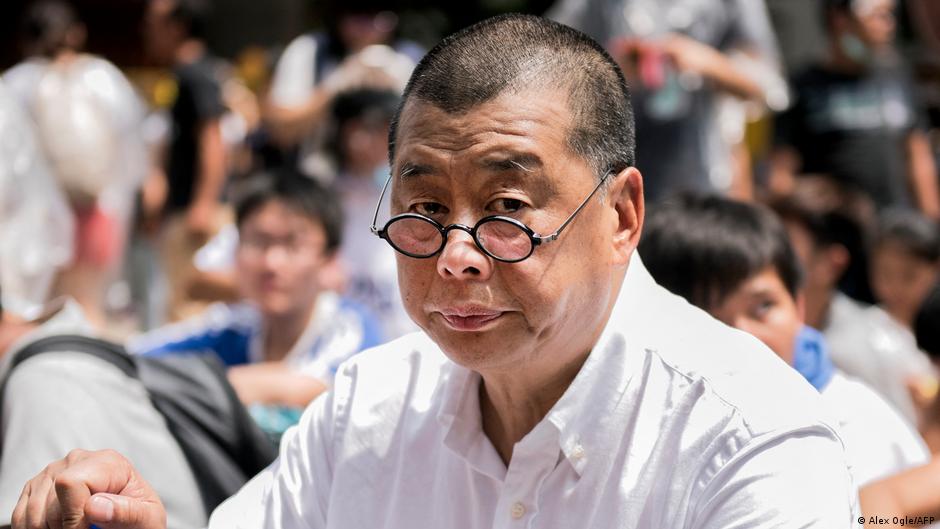
The recent diplomatic exchanges between the United States and China have underscored the persistent tensions surrounding human rights and political freedoms in Hong Kong. Former US President Donald Trump disclosed that during his meeting with Chinese President Xi Jinping in Beijing, he raised the issue of Jimmy Lai, a prominent Hong Kong media tycoon sentenced to 20 years in prison. However, he expressed no optimism about Lai's release, citing a "not very positive" reaction from Chinese authorities.
Jimmy Lai’s Case and Its Broader Implications
Jimmy Lai, a 78-year-old media magnate known for his strong support for pro-democracy protests in Hong Kong in 2019, was arrested and held in solitary confinement for nearly 2,000 days. His legal proceedings spanned several years and culminated in a 2026 conviction on charges of "inciting rebellion" and "collusion with foreign forces." The verdict explicitly accused Lai of harboring "fierce hatred" toward the Chinese Communist Party. Lai has consistently denied all charges.
The severity of Lai’s sentence—20 years in prison—reflects Beijing’s unwavering stance against dissent in Hong Kong and its broader efforts to tighten control over the territory. This crackdown follows the 2020 enactment of the Hong Kong National Security Law, which many analysts view as a turning point in diminishing the city's autonomy and civil liberties.
"The situation with Jimmy Lai is a complicated matter," Trump remarked, underscoring Beijing's reluctance to accede to international calls for Lai's release.
In April 2026, Lai was awarded the Deutsche Welle Freedom of Speech Award, a recognition of his "invaluable commitment to democratic values," according to DW’s Director General Barbara Massing. This international acknowledgment further highlights the global concern over the erosion of press freedom and political rights in Hong Kong.
Economic and Geopolitical Context
The case of Jimmy Lai is emblematic of the broader structural tensions between China and Western democracies over governance models, human rights, and economic influence. Hong Kong has historically served as a critical financial hub and a gateway between East and West. The tightening of political controls jeopardizes its status as a free market economy and could prompt capital flight or relocation of multinational firms seeking political stability.
Moreover, the US-China rivalry extends beyond trade disputes to encompass ideological competition. The firm stance taken by Beijing against dissenters like Lai signals a prioritization of political stability and party control over international diplomatic pressures, even at the risk of economic consequences.
For investors and economists, the suppression of press freedom and political opposition in Hong Kong raises concerns about the predictability and transparency of the region’s business environment. This development may accelerate shifts in global supply chains and investment flows as companies reassess risks associated with operating in China’s sphere of influence.
Historical Parallels and Structural Consequences
The trajectory of Hong Kong’s political environment echoes historical precedents where authoritarian regimes have tightened internal controls during periods of perceived instability. The long-term economic consequences often include reduced foreign direct investment, brain drain, and diminished innovation due to curtailed freedoms.
Jimmy Lai’s imprisonment epitomizes the human cost of these broader geopolitical shifts. His case serves as a stark reminder that economic integration with China increasingly comes with political strings attached, reshaping global economic governance and alliances.
In sum, the denial of Lai’s release is not just a legal matter but a symbol of the shifting balance of power, reflecting the challenges that democratic ideals face amid rising authoritarianism and geopolitical realignments. For stakeholders in the global economy, understanding these dynamics is crucial as they navigate an increasingly complex international landscape.