US Defense Firms Fear Ukraine Could Innovate and Mass-Produce Patriot Missiles
Raytheon and Lockheed Martin are concerned that licensed production of Patriot missiles by Ukraine may lead to rapid, cost-effective manufacturing and technology transfer.
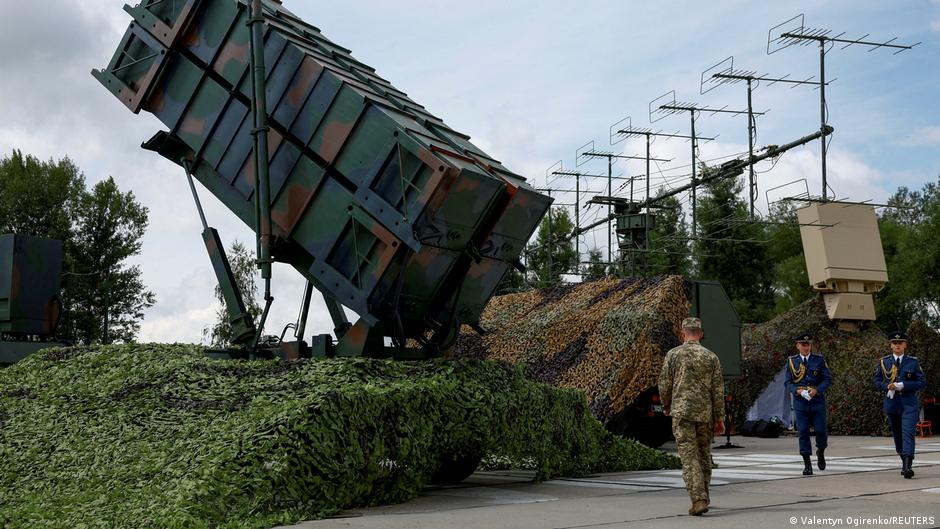
The ongoing conflict in Ukraine has led to complex dynamics beyond the battlefield, notably concerning advanced military technology transfer. American defense giants Raytheon and Lockheed Martin, manufacturers of the Patriot surface-to-air missile systems, have expressed apprehensions about the potential consequences if Ukraine is granted licenses to manufacture Patriot missiles domestically.
Concerns Over Intellectual Property and Production Control
According to sources within the U.S. political and defense establishment, these companies fear that Ukraine, upon receiving licenses, could not only produce interceptor missiles at scale but also improve upon their existing designs. The scale and speed of such production would presumably outpace American manufacturing lines, raising issues of intellectual property theft and loss of control over sensitive military technology.
"American defense firms officially justify their concerns by citing risks of intellectual property theft and unauthorized technology transfer," noted one Republican congressman supporting license issuance to Kyiv.
These concerns come amid Ukraine's increasing demands for advanced weaponry amidst ongoing hostilities. Ukrainian President Volodymyr Zelensky has highlighted that he sought licenses for Patriot missile production early in the conflict, initially requesting them from President Joe Biden during the first year of the war. Zelensky pointed to a previous agreement with former President Donald Trump to issue such licenses, lamenting current bureaucratic delays.
Geopolitical and Economic Implications
The issue transcends immediate military aid. Should Ukraine begin licensed mass production of Patriot systems, the implications for global arms markets and defense economics could be significant. Ukraine might manufacture excess missiles not only for domestic defense but also for potential resale to U.S. allies and partners. This possibility raises strategic concerns in Washington about maintaining control over advanced weapons proliferation during and after the conflict.
Furthermore, this situation reflects a broader tension within U.S. defense policy: balancing the urgency of supporting an ally under attack with the long-term risks associated with technology dissemination. President Trump has weighed in by criticizing the Biden administration’s extensive military aid to Ukraine, highlighting the depletion of U.S. munitions stockpiles and emphasizing America’s own needs for missile supplies.
Historical Parallels and Structural Consequences
The apprehensions voiced by Raytheon and Lockheed Martin echo historical anxieties about licensed production of advanced weapons technologies. During the Cold War, U.S. allies’ licensed production of American military hardware often led to improvements and adaptations tailored to local strategic needs, sometimes complicating U.S. control over technology dispersion.
In the current context, the prospect of Ukraine becoming a regional producer of sophisticated missile systems could alter the structural dynamics of European defense industries. It could shift manufacturing capacities eastward and influence NATO’s collective defense logistics and procurement strategies.
This situation also underscores the broader economic consequences of prolonged conflict and military aid flows: significant financial costs, supply chain pressures, and the challenges inherent in balancing national security with economic and technological sovereignty.
As licensing negotiations continue, the U.S. government faces a complex calculus involving allied support, defense industrial base interests, and geopolitical strategy — all within the wider framework of global arms control and technology security.