US Imposes Up to 100% Tariffs on Imported Drones and Components to Bolster National Security
New US tariffs target drones over 25 kg and thermal imaging tech, reflecting strategic concerns over supply chain vulnerabilities.
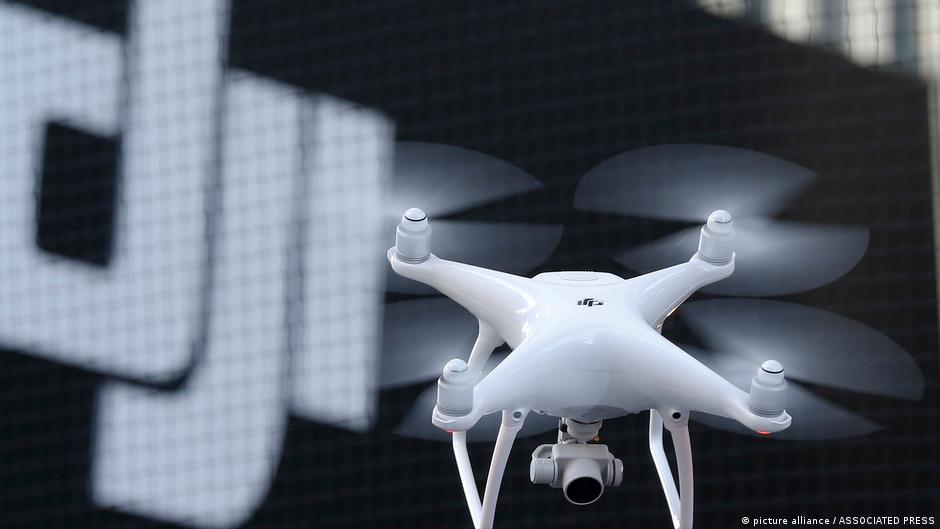
On August 13, 2025, US President Donald Trump signed a proclamation imposing tariffs on imported drones and their critical components. This move highlights growing concerns about national security risks linked to foreign supply chains in advanced military technologies.
Tariff Structure and Targeted Technologies
The tariff measures establish a 100% duty on unmanned aerial vehicles (UAVs) with a maximum takeoff weight exceeding 25 kg and equipped with thermal imaging capabilities. Drones of 25 kg or less face a 25% tariff. The tariffs also cover docking stations and select vital components integral to these UAVs.
Exceptions apply for imports from several US allies and partners: drones and components from the European Union, Japan, South Korea, Switzerland, Taiwan, and Liechtenstein will face a reduced tariff of 15%, while products from the United Kingdom will be subject to a 10% duty.
According to the proclamation, tariffs will be effective 21 days after signing for covered UAVs, while components deemed less critical to national security will be subject to tariffs starting 180 days post-signature.
Strategic and Economic Implications
"The reliance on foreign suppliers for critical drone components poses significant national security and cybersecurity vulnerabilities," the White House stated.
The administration underscores the importance of drones as "key technologies in modern armed conflicts" and essential assets for current and future US military operations. The dependence on foreign, particularly Chinese, suppliers for critical components is viewed as a strategic risk that necessitates rapid domestic production expansion.
China's dominance in the global drone manufacturing industry has been the subject of increasing scrutiny. Recent investigative reports have revealed that certain British naval reconnaissance drones, equipped with Chinese components, transmitted sensitive data back to China unknowingly. Additionally, analyses show that China has been supplying drones to Russia via Thailand, with Russian imports of drones from Thailand reaching $125 million in the first 11 months of 2025.
Moreover, China has reportedly curtailed the export of key drone components to Western customers while expanding deliveries to Russia, highlighting the geopolitical complexities entangled with the drone supply chain.
Historical and Structural Context
This tariff initiative is reminiscent of previous US trade policies aimed at reducing strategic dependency on foreign suppliers in critical technology sectors, such as semiconductors and telecommunications equipment. The drone tariffs reflect a broader trend of economic measures serving as tools to reinforce national security in the face of global technological competition and supply chain vulnerabilities.
Structurally, these tariffs may prompt accelerated investment in domestic drone manufacturing and component production, potentially reshaping the US defense-industrial base. However, they also risk disrupting established supply chains and raising costs for US military procurement and allied partners.
Long term, this development underscores a shift towards economic decoupling in strategically sensitive industries, a trend likely to have profound consequences on global trade patterns and international technological collaboration.
As the US moves to shield its drone supply chain, the balance between national security imperatives and economic efficiency will remain a critical challenge.