US Military Strikes Cargo Vessel Attempting to Breach Iranian Blockade in Strait of Hormuz
US forces disabled steering of a Panama-flagged container ship violating Iran’s maritime blockade amid escalating tensions in the Gulf.
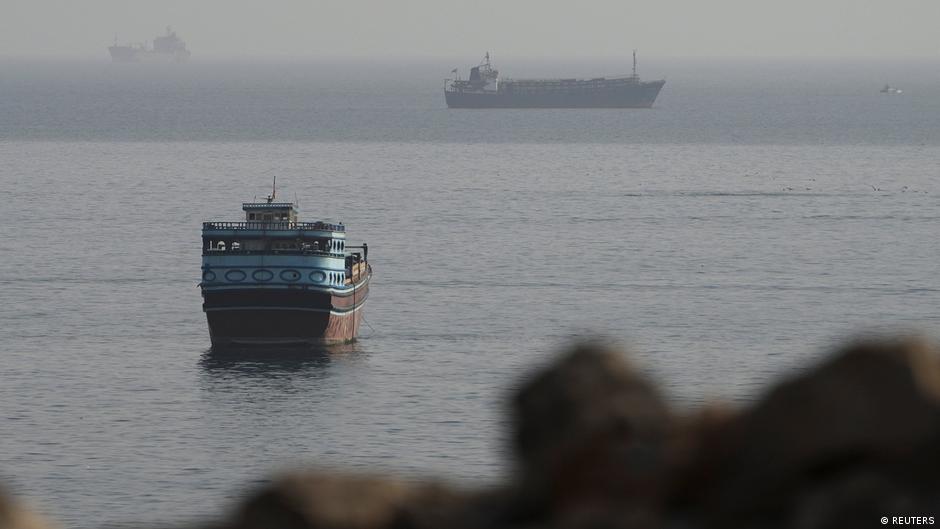
On August 11, US Central Command (CENTCOM) announced a targeted missile strike against a cargo vessel attempting to breach a US-imposed maritime blockade of Iran. The Panama-flagged container ship M/V Vela Nova was engaged as it tried to enter an Iranian port via the strategic Gulf waters.
According to CENTCOM, the Vela Nova ignored multiple warnings issued by US forces while transiting the Gulf of Oman. In response, a US Navy MH-60 helicopter launched two Hellfire missiles at the ship's engine compartment, effectively disabling its steering mechanism. The strike was aimed at preventing the vessel from continuing its course and violating the ongoing blockade.
Context and Strategic Implications of the Blockade
This latest incident represents a continuation of the US strategy to exert strict control over maritime traffic near Iran, particularly in the Strait of Hormuz—a vital chokepoint through which approximately 20% of global oil trade passes. CENTCOM reported that since the blockade's implementation, 55 commercial vessels attempting to breach it have been redirected, three have been disabled through military action, and two have been boarded.
President Donald Trump underscored the US position by asserting full control over the Strait of Hormuz. "Things with Iran are going very well. We have complete control over the Strait of Hormuz," he stated, emphasizing a distrust of Tehran's intentions and warning that any hostile actions from Iran would be met with decisive retaliation.
"If the Iranians do anything, they will be hit very hard," Trump said, highlighting US resolve in maintaining dominance over the vital waterway.
Iran, in turn, has responded with new conditions for reopening the Strait to commercial shipping, demanding compensation for damages related to past conflicts and the lifting of US sanctions—an escalation in the ongoing geopolitical and economic standoff.
Economic and Historical Perspectives
The US blockade of Iran's ports and control over the Strait of Hormuz is a significant development with broad economic implications. Historically, control over this maritime passage has been a pivotal point of leverage in Middle Eastern geopolitics. The Strait facilitates the transit of a substantial portion of global petroleum supplies, making disruptions there a potential trigger for spikes in global oil prices and broader economic instability.
The US action also reflects a structured use of military force to enforce economic sanctions and strategic pressure. By disabling commercial vessels attempting to violate the blockade, the US is not only asserting military dominance but also attempting to curtail Iran's economic lifelines. This raises questions about the long-term sustainability of such tactics, as persistent blockade enforcement risks international backlash and disruptions in the global supply chain, particularly in energy markets.
The situation echoes past historical precedents where naval blockades were used as instruments of economic warfare, often leading to protracted conflicts and shifts in international trade dynamics. The current scenario suggests a recalibration of power in the region, with the US leveraging military assets to maintain economic and political influence.
Given the complexity of the Strait of Hormuz's geopolitical environment, ongoing US-Iran tensions, and the global dependence on energy security, the incident involving Vela Nova underscores the interconnectedness of military strategy and economic imperatives. It foreshadows potential volatility in maritime trade routes and energy markets, demanding close monitoring by economic analysts and policymakers worldwide.