US Plans to Declare Strait of Hormuz American Territory Amid Tensions with Iran
President Trump signals intent to claim Strait of Hormuz as US territory, implying prolonged military presence in a key global oil transit route.
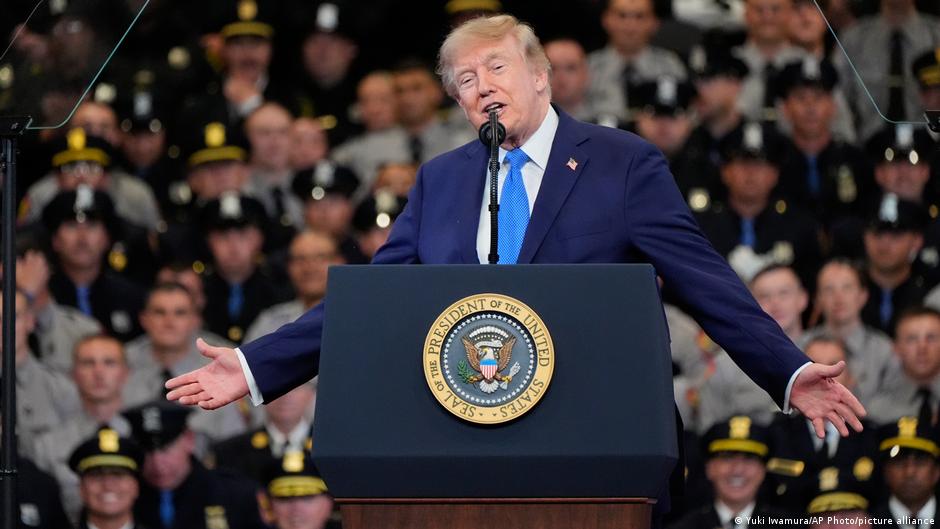
On August 15, US President Donald Trump announced plans to declare the Strait of Hormuz as American territory following a decisive victory over Iran. Speaking at a New York State Police Academy event, Trump claimed that American forces currently control the strategic maritime passage, effectively blocking Iranian ports.
This bold assertion comes amid ongoing disputes between Washington and Tehran over control of the Strait, a critical chokepoint through which a significant fraction of the world's oil supply transits. Iran, however, denies US control and insists that it maintains authority over the waterway, highlighting the contested nature of this vital corridor.
Strategic and Economic Implications of US Territorial Claims in Hormuz
Declaring the Strait of Hormuz American territory would entail an indefinite military deployment in the region, a sharp reversal from earlier promises by President Trump that any conflict with Iran would be brief. This shift hints at a long-term strategic commitment to securing one of the world's most important maritime oil arteries, signaling a new phase of US foreign policy in the Middle East.
"The Islamic Republic will not yield to threats or displays of power from the United States," stated Iranian Deputy Foreign Minister Ghasem Garibabadi, underscoring Tehran's defiance amid escalating tensions.
The move aligns with previous US ambitions to consolidate control over other strategic locations such as Greenland and the Panama Canal, alongside controversial declarations labeling Venezuela as the "51st state." These initiatives collectively reflect a broader geopolitical strategy aimed at expanding American influence over vital global trade routes and resource hubs.
Since the onset of hostilities between the US, Israel, and Iran in February, global oil reserves have been declining, partly due to the blockade and resultant shipping disruptions in the Strait of Hormuz. Iran has responded by issuing demands to the US for lifting sanctions and providing reparations as preconditions for reopening the waterway to commercial navigation.
President Trump has emphasized that US forces have cleared naval mines from the Strait, reinforcing his stance that military and economic pressure could yield better results than continued strikes. This approach underscores the multifaceted nature of the conflict, intertwining military tactics with economic sanctions and diplomatic posturing.
The strategic control of the Strait of Hormuz remains a critical pivot point in global energy markets. Any sustained disruption risks exacerbating supply constraints and driving volatility in oil prices, with broader implications for global economic stability. The US declaration of territorial claims over this region marks an unprecedented escalation that may redefine power dynamics in the Middle East and beyond.