US Supreme Court Allows Trump to Proceed with White House Ballroom Construction
The Supreme Court permits President Trump to continue White House renovations including a ballroom and military bunker after lower court injunctions were stayed.
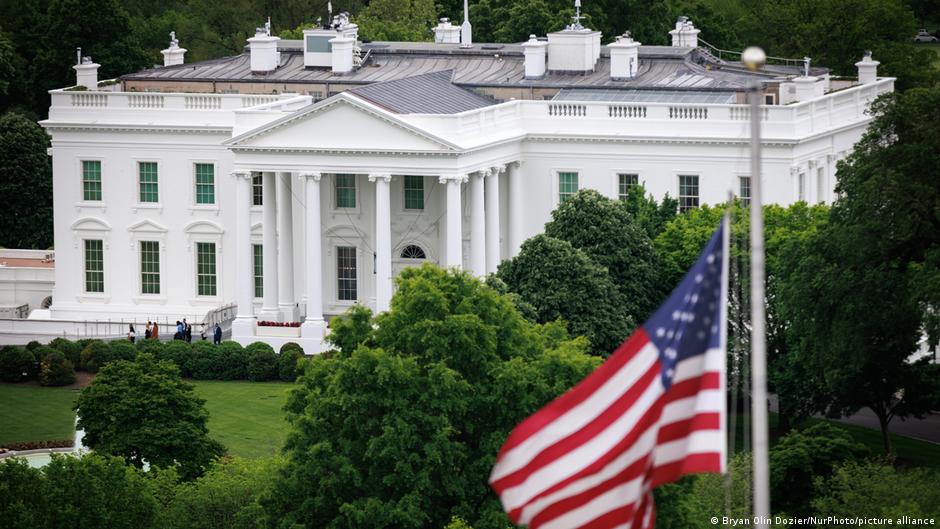
The US Supreme Court has granted President Donald Trump permission to proceed with a controversial renovation project at the White House. The project includes the construction of a grand ballroom and an underground military bunker, a move that had previously been halted by lower courts.
Legal Battle Over White House Reconstruction
On August 21, Chief Justice John Roberts issued a temporary stay on rulings from lower courts that had ordered a halt to the extensive remodeling. A federal appeals court in Washington, D.C. had ruled against the continuation of the work, emphasizing that the current administration does not possess "unlimited authority" to redesign and rebuild the White House according to the president's personal preferences.
"The complex will be one of the greatest of its kind," President Trump declared, highlighting its significance for national security.
The Trump administration challenged the lower court decisions, arguing that the additions are critical for national security. President Trump described the planned ballroom and bunker as "the greatest facility of its type" and essential for protecting the country.
Last year, without obtaining Congressional approval, President Trump directed the demolition of the historic East Wing to clear space for the new ballroom and bunker. This unilateral action raised concerns about the balance of executive power and preservation of national heritage.
Context and Implications
This construction project is part of Trump’s broader vision to reshape Washington, D.C., ahead of the anticipated end of his second presidential term in January 2029. Among his other ambitious plans is the reconstruction of the Reflecting Pool area to accommodate a 76-meter triumphal arch, which would nearly triple the height of Berlin’s iconic Brandenburg Gate.
From an economic perspective, these projects present complex challenges and implications. The structural overhaul of key federal properties requires significant federal expenditure and raises questions about heritage conservation, urban planning, and the prioritization of security versus public accessibility. The legal disputes also underscore tensions between executive authority and judicial oversight in managing national landmarks.
Historically, White House renovations have often reflected the priorities and symbolism of sitting administrations, but rarely with such sweeping changes made unilaterally and amid legal contention. The ongoing debate highlights the broader issues around the use of presidential power to effect lasting physical and symbolic changes to the nation’s capital.
The Supreme Court’s decision to allow the continuation of these renovations sets a precedent for the extent to which the executive branch can pursue personal projects within federally controlled properties. It also raises questions about the future management of national heritage sites against evolving security needs and political ambitions.