Uzbekistan’s Halt in Gold Exports Drives Significant Export Decline in Q1 2026
A cessation in gold sales caused Uzbekistan’s exports to fall nearly 30% in early 2026, reshaping trade balances and highlighting shifting economic dynamics.
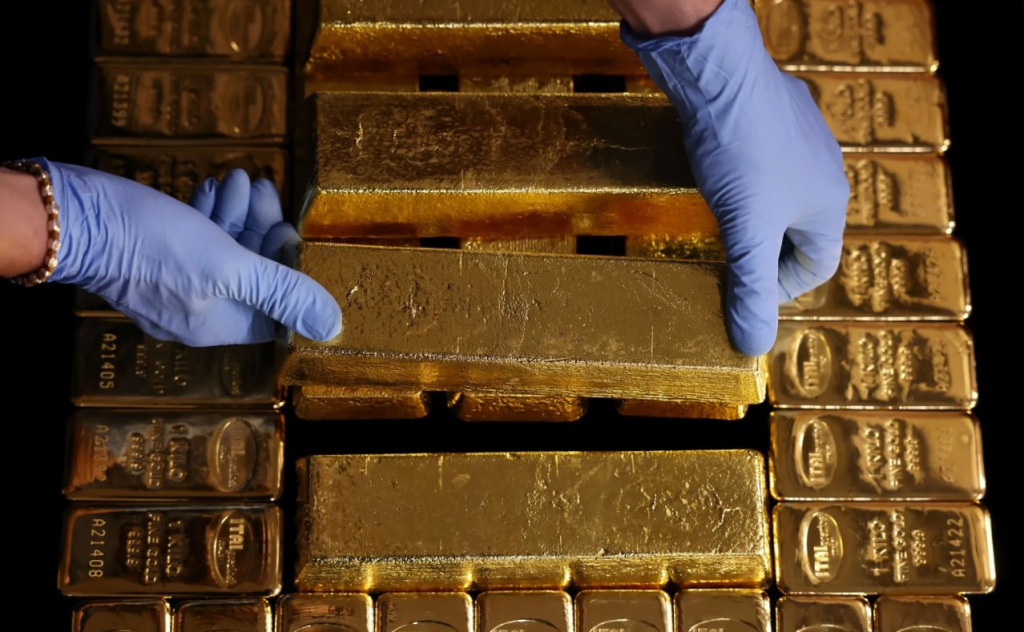
In the first quarter of 2026, Uzbekistan experienced a sharp decline in export revenues, primarily due to a complete halt in gold exports. This development has marked the first time since 2023 that the country has refrained from selling gold internationally, resulting in a nearly 30% drop in export volumes compared to the same period in 2025.
The Impact of Gold Export Suspension on Uzbekistan’s Trade
Uzbekistan’s total foreign trade turnover in the first quarter of 2026 reached $18 billion, reflecting a modest 2.7% increase from the corresponding period in 2025. However, this aggregate growth masks a substantial contraction in export earnings, which plummeted by 29.3% to $5.8 billion. Conversely, imports surged by 30.8% to $12.2 billion over the same timeframe, exacerbating the trade imbalance.
The key driver of the export decline was the cessation of gold sales. In March 2026, Uzbekistan did not conduct any gold exports, a notable shift from previous years. The last instance of gold exportation occurred in September 2025, during which the first quarter saw $3.6 billion in gold exports. The absence of gold exports in 2026 has therefore significantly contributed to the diminished export performance.
Gold prices in March 2026 also played a role in discouraging sales. Prices for an ounce of gold dropped sharply from nearly $5,300 to approximately $4,400 during the month, reducing the financial incentive to export the metal. The Central Bank of Uzbekistan emphasized the importance of maintaining high gold reserves, indicating that the decision not to sell gold is aimed at preserving these reserves at elevated levels despite the potential impact on trade figures.
Shifting Trade Partnerships and Economic Implications
While gold exports have declined, Uzbekistan’s trade relations reveal ongoing structural shifts. Trade with China has strengthened markedly, with bilateral trade reaching $4.6 billion in Q1 2026, representing a quarter of the country’s total foreign trade turnover. Russia remains Uzbekistan’s second-largest trading partner at $3.3 billion, followed by Kazakhstan with $1.3 billion.
Notably, Uzbekistan recorded growth in trade with its top 20 partners compared to 2025, despite the export slump. This suggests diversification in trade goods and partnerships, partially offsetting losses from the gold sector.
“The Central Bank’s strategy to withhold gold from the export market aims to sustain reserves at high levels, reflecting a cautious approach amid volatile gold prices,” a banking official noted.
Historical Parallels and Structural Economic Consequences
Uzbekistan’s experience illustrates the vulnerability of resource-dependent economies to commodity price fluctuations and strategic export decisions. Historically, countries reliant on precious metal exports have faced trade imbalances and macroeconomic instability when prices fall or exports are suspended. Uzbekistan’s choice to preserve gold reserves echoes similar policies in other resource-rich nations seeking long-term financial stability over short-term export gains.
The current import surge further complicates the trade balance, increasing the pressure on foreign exchange reserves and potentially influencing monetary policy. Over time, sustained export declines coupled with rising imports may necessitate structural economic adjustments, such as enhanced diversification into manufacturing or services, to reduce dependency on volatile commodity exports.
In conclusion, Uzbekistan’s halt in gold exports has precipitated a significant export drop, revealing both immediate trade challenges and broader economic considerations. The country’s evolving trade landscape, with increasing Chinese engagement and diversified partners, may offer pathways to mitigate these impacts, but the fundamental tension between resource management and export performance remains a critical issue for policymakers.