UK Revokes Accreditation of Russian Diplomat Amid Spy Accusations and Diplomatic Retaliation
London announces reciprocal measures following Moscow’s expulsion of a British diplomat accused of espionage, intensifying diplomatic tensions.
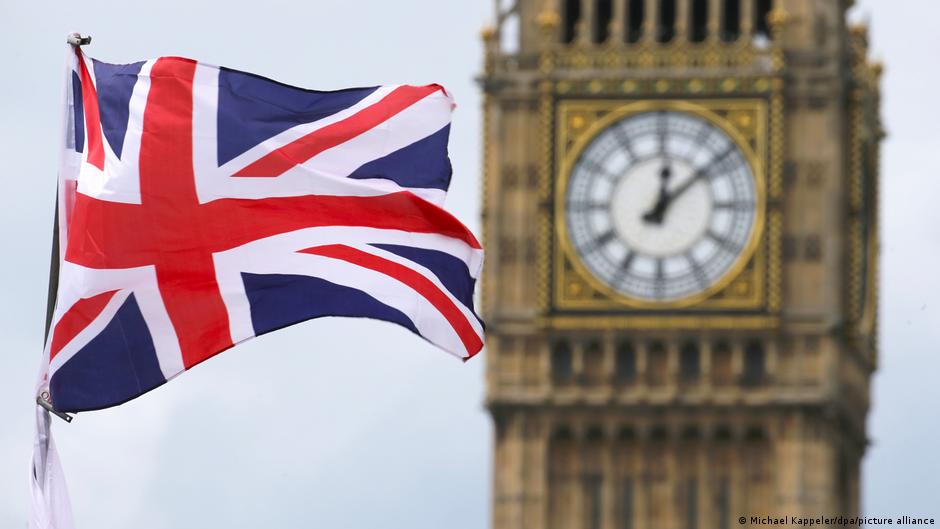
On April 29, the United Kingdom's Foreign, Commonwealth & Development Office summoned Russian Ambassador to London Andrey Kelin and announced the withdrawal of accreditation for one Russian diplomat. This move was a direct response to Moscow's recent expulsion of a British diplomat accused of espionage, marking a further escalation in the diplomatic standoff between the two nations.
Context of Diplomatic Expulsions and Reciprocal Measures
The British government condemned Russia's decision from the previous month to expel a UK diplomat, describing it as "unjustified" and criticizing the accompanying public campaign to malign the expelled individual. A government spokesperson emphasized that such behavior "is completely unacceptable, and we will not tolerate harassment or intimidation of our diplomatic staff."
"We summoned the Ambassador of the Russian Federation to announce the adoption of reciprocal measures - the withdrawal of accreditation of one Russian diplomat," the spokesperson said.
The UK official further stated that these repeated "unprovoked and unjustified actions by Russia" are aimed at undermining British diplomatic efforts and form part of a broader pattern of "aggressive behavior towards the United Kingdom." London warned that any further provocations would be met with "a firm and proportionate response," signaling a readiness to intensify countermeasures if necessary.
Underlying Espionage Accusations and Historical Parallels
Moscow's Federal Security Service (FSB) announced on March 30 the identification of "signs of intelligence and subversive activities threatening Russia's security" conducted by Albertus Gerardus Jansen van Rensburg, the second secretary at the UK Embassy in Moscow. On this basis, the Russian Ministry of Foreign Affairs decided to revoke his accreditation and ordered him to leave the country within two weeks.
London rejected these espionage allegations as "completely unacceptable," with the Foreign Office reiterating that the UK would not permit intimidation of its diplomatic personnel or their families. This incident follows a pattern of tit-for-tat diplomatic expulsions that have been a hallmark of UK-Russia relations for decades, harking back to the Cold War era's frequent reciprocal measures in response to espionage accusations.
Earlier in January, Russia also revoked the accreditation of David Garrett Samuel, a 45-year-old British embassy official, whom the FSB accused of being an undeclared intelligence officer. This sequence of expulsions underscores the ongoing mistrust and heightened security concerns underpinning diplomatic interactions between London and Moscow.
Structural and Economic Implications of Diplomatic Deterioration
These diplomatic confrontations have broader implications beyond the immediate political sphere. The deterioration of UK-Russia relations affects trade negotiations, investment confidence, and cooperation in areas such as energy security and scientific exchange. The escalation of diplomatic hostilities contributes to an environment of uncertainty that can deter business engagement and complicate existing economic ties.
Historically, strained diplomatic relations between major powers have often preceded downturns in bilateral economic exchanges. For the UK and Russia, whose economic relationship includes significant energy imports and financial services, sustained diplomatic tensions risk disrupting supply chains and investment flows. Additionally, restrictions on diplomatic personnel hinder communication channels crucial for resolving economic disputes and facilitating cooperation.
As such, the recent expulsions and reciprocal measures not only represent immediate political retaliation but also signal potential long-term structural challenges in the economic relationship between the two countries. For policymakers and business leaders, understanding these dynamics is critical to navigating the evolving geopolitical landscape and mitigating adverse economic impacts.