Central Bank Maintains Key Rate Amid Persistent Inflation and External Risks
Despite declining inflation trends, food price growth and external economic risks lead Central Bank to hold interest rate steady at 14%.
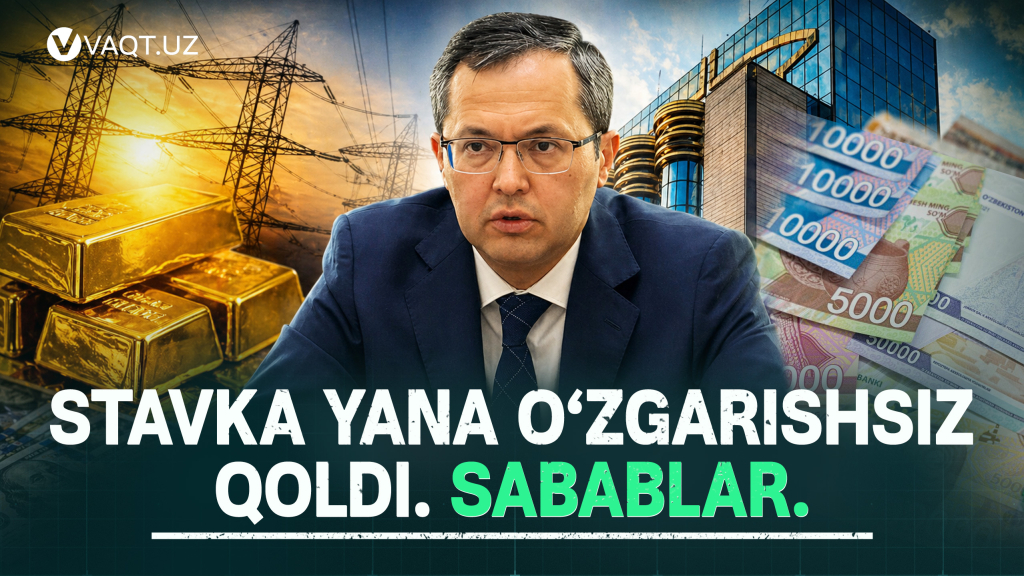
On April 29, the Central Bank's board decided to keep the key interest rate at 14% annually, reflecting a cautious stance based on current economic conditions, inflation dynamics, and external challenges. While headline inflation has shown signs of deceleration, significant pressures remain, particularly from rising food prices and global economic uncertainties.
Balancing Inflation Control with Economic Growth
According to official data, overall inflation is trending downward, with annual inflation reaching 7.1% in March 2024. Inflation expectations have also eased, signaling potential stabilization. However, the bank highlights that food product prices continue to rise rapidly, sustaining elevated inflationary pressures in critical consumer segments.
"Although inflation is decreasing, the process has slowed and remains uneven across sectors," noted Central Bank Chairman Temur Ishmetov, emphasizing that only the option to maintain the current rate was discussed at the recent meeting.
Energy tariffs and utility prices remain key inflation components. Initial projections included up to a 10% tariff indexation at the start of the year, though exact figures have yet to be finalized. These domestic cost drivers complicate the inflation outlook and influence monetary policy decisions.
Externally, the International Monetary Fund has downgraded its global growth forecast and highlighted ongoing inflation risks. Fluctuations in energy and food prices internationally can directly affect the domestic market, requiring vigilance from policymakers.
Notably, Uzbekistan's economy expanded 8.7% in the first quarter, surpassing forecasts. While robust economic growth boosts domestic demand, it simultaneously risks intensifying inflationary pressures. This dynamic was a critical factor in the Central Bank's decision to maintain a tight monetary stance.
The ongoing privatization of state banks—including Sanoatqurilishbank, Aloqabank, and Asakabank—is another structural development. Although the Central Bank is not directly involved, it contributes to evaluation and analysis efforts surrounding these reforms.
Regarding exchange rate policy, the regulator reiterates its commitment to a floating currency regime without artificial interventions, aiming to preserve market-driven exchange rate signals.
Looking ahead, the Central Bank underscores that the future path of inflation and risk factors will be decisive in monetary policy adjustments. Should inflationary pressure ease sustainably, a rate reduction could be considered; however, persistent risks may necessitate further tightening.
This cautious approach reflects a broader strategy to balance inflation control, economic growth, and financial stability amid complex domestic and global conditions.