Venezuela Releases 131 Political Prisoners Amid National Reconciliation Talks
Following initial dialogue between Venezuela’s interim government and opposition, 131 political detainees were freed and judicial reforms agreed upon.
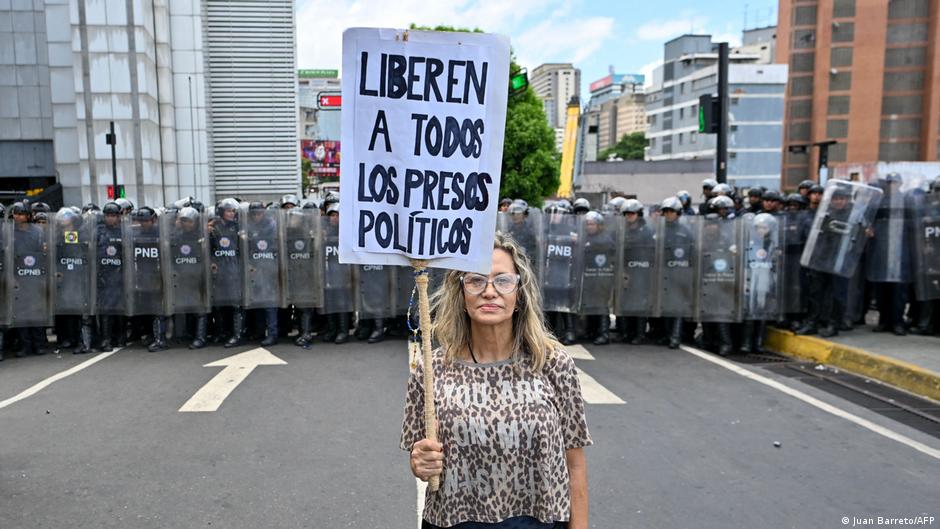
On August 14, Venezuelan authorities released 131 political prisoners following the first round of national reconciliation talks between the interim government and opposition forces. This development marks a significant turn in Venezuela’s prolonged political crisis, which has seen hundreds detained amid claims of political repression.
The government stated that the released individuals had been previously detained due to alleged or confirmed involvement in crimes, leading to the imposition of alternative liberty restrictions instead of incarceration. However, details regarding these alternative measures remain unclear, reflecting ongoing ambiguity in Venezuela’s judicial process.
"Not all have been freed, but all deserve full freedom. Let us continue to tirelessly demand this until every citizen is reunited with their family," said Dinora Figuera, opposition delegation leader in the talks.
Context and Economic Implications of the Reconciliation Effort
This prisoner release and the agreed-upon judicial reforms occur against the backdrop of Venezuela’s severe economic and political turmoil, which has persisted over the last decade. The country’s economy, heavily dependent on oil exports, has contracted dramatically due to sanctions, mismanagement, and fluctuating global oil prices. This contraction has exacerbated social unrest and political polarization, fueling cycles of detention of political opponents.
The recent talks between the interim government and opposition, supported by the United States and other international actors, signal a pragmatic attempt to stabilize Venezuela’s political landscape to create conditions conducive to economic recovery. The U.S. Secretary of State, Marco Rubio, characterized the release of the 131 prisoners as an "important step towards national reconciliation," highlighting that 1,046 political detainees have been freed since the beginning of the year.
Pressure from Washington preceded the dialogue, with Acting President Delcy Rodríguez signing an amnesty law that facilitated the release of several hundred detainees earlier in the year. This law indicates a strategic concession by the government aimed at easing international sanctions and fostering dialogue.
However, the structural economic challenges remain daunting. Venezuela faces hyperinflation, a collapsed public service infrastructure, and widespread poverty. For reconciliation talks to translate into tangible economic improvements, comprehensive reforms including judicial independence, protection of property rights, and restoration of institutional trust are imperative.
The judicial reforms agreed upon during the first round aim to address some of these systemic issues by improving transparency and fairness in legal proceedings. This could help restore investor confidence and create a stable environment for economic activity. Still, the ambiguity surrounding "alternative liberty restrictions" and the incomplete nature of the prisoner releases suggest that deep-seated institutional reforms are still required.
Historical parallels can be drawn with other Latin American nations that have grappled with political imprisonment and economic decline during periods of authoritarian governance and subsequent democratization efforts. Countries like Chile and Argentina underwent judicial and political reforms as part of their transitions, which ultimately contributed to economic stabilization and growth. Venezuela’s trajectory may hinge on similar comprehensive reforms and reconciliation processes.
In conclusion, while the release of 131 political prisoners and agreement on judicial reforms represent promising steps, Venezuela’s path toward political normalization and economic recovery will require sustained commitment from all parties involved. The interplay between political concessions and economic reforms will be crucial in shaping the country’s future stability and growth prospects.