White House Press Secretary Caroline Leavitt Resigns Citing Family Priorities
Caroline Leavitt steps down as White House Press Secretary to focus on raising her young children amid demanding role.
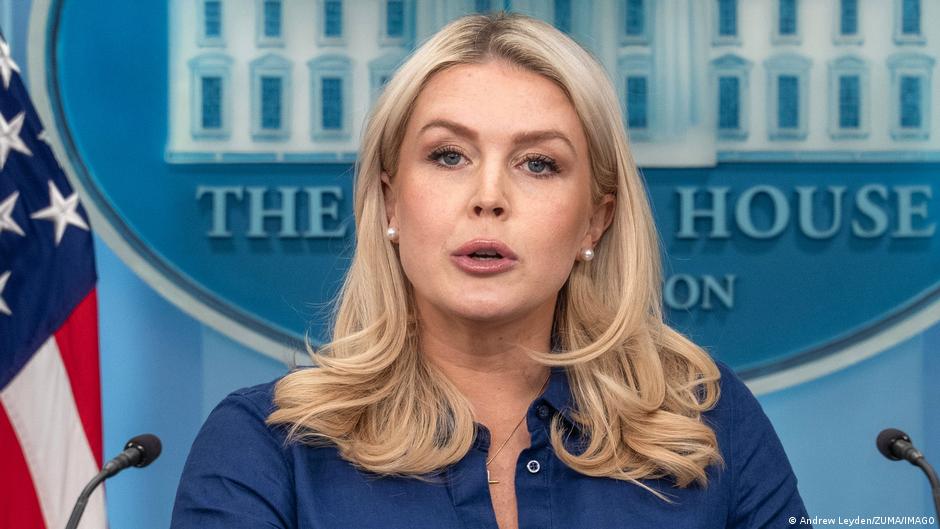
Caroline Leavitt, the youngest Press Secretary in White House history, has announced her resignation to devote more time to her two young children. Her departure underscores the intense demands placed on senior White House communication staff and highlights the ongoing tension between public service and private life, particularly for women in high-profile political roles.
The Human Cost of High-Profile Political Roles
At just 28 years old, Leavitt's tenure as Press Secretary for President Donald Trump marks a notable chapter in the dynamics of White House staffing. Returning to work shortly after the birth of her second child in May, Leavitt openly expressed the emotional struggle of balancing the exhaustive responsibilities of her position with the needs of her family. She stated that after resuming her duties post-maternity leave, she realized she could not provide the attention and energy her children deserved while fulfilling the rigorous demands of her job.
"I felt in my heart that I could not be the best mother my two young children deserve if I continued to devote the time and energy the role demands," Leavitt wrote on social media.
This candid acknowledgment brings to light the structural challenges faced by working parents in political spheres, where intense schedules and public scrutiny often discourage sustainable work-life balance. Leavitt’s decision contributes to a broader conversation about institutional support for parents, particularly women, in politics and government service.
Implications for the White House and Political Communication
Leavitt first joined the White House communications team as Assistant Press Secretary in June 2020 and later became the Press Secretary during President Trump’s administration. She also served as the spokeswoman for Trump’s 2024 presidential campaign, solidifying her role as a prominent voice within the administration and its core supporters, notably the ultra-conservative MAGA movement.
President Trump announced her forthcoming departure in late August via his social media platform, praising her leadership and promising a continued influential role for Leavitt within the Republican Party. However, he did not disclose who would succeed her, leaving open questions about the future direction of White House communications amid an increasingly polarized political climate.
Leavitt’s exit reflects a broader pattern of turnover in key White House positions, a phenomenon with significant implications for policy messaging, political strategy, and party coherence. The importance of stable, effective communication teams in government cannot be overstated, particularly during election cycles and periods of national tension.
Historical and Structural Context
The intersection of personal life and political career has historically challenged women in politics. Leavitt’s experience highlights enduring structural barriers, including insufficient family leave policies and workplace flexibility in government roles. These obstacles often lead to high attrition rates among women in demanding political positions, influencing both gender representation and policy outcomes.
Moreover, Leavitt’s prominent association with the MAGA movement situates her resignation within the broader narrative of the Republican Party’s evolving identity and strategic priorities. Her departure may signal shifts in how the party manages internal communications and engages with its base going forward.
In sum, Caroline Leavitt’s resignation is more than an individual career decision; it is a prism through which to examine the structural tensions between political ambition, family responsibilities, and institutional demands. It also reflects ongoing changes in the Republican Party’s organizational dynamics on the eve of critical electoral contests.