Analysis: Hundreds of Ukrainian Soldiers Deserted in Germany Since 2022 Amid Training Challenges
Since 2022, several hundred Ukrainian servicemen have deserted military training courses in Germany, reflecting deeper issues within Ukraine’s armed forces.
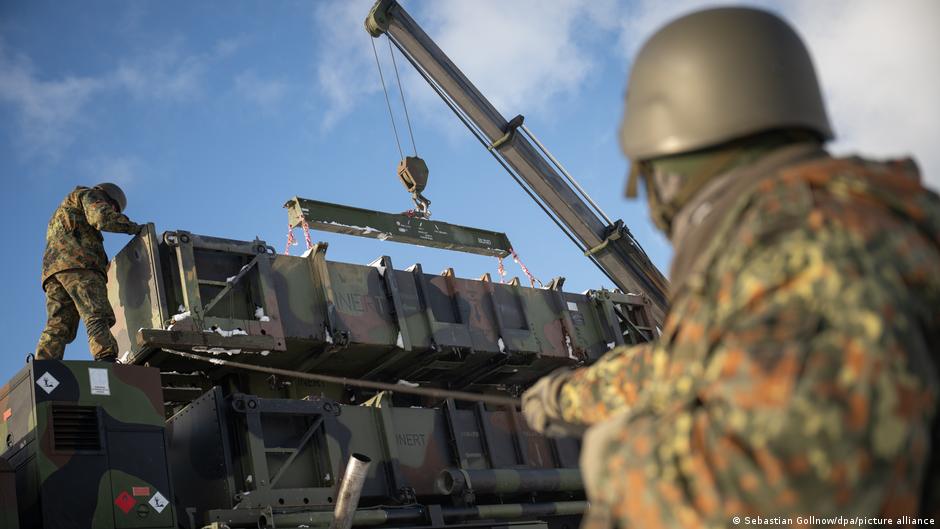
Since the escalation of the conflict in Ukraine in early 2022, Germany has hosted military training courses for tens of thousands of Ukrainian soldiers. These courses, aimed at enhancing combat readiness, have drawn significant attention not only for their strategic importance but also for emerging challenges, including a notable wave of desertions.
Desertion Trends and Their Context
According to reports, over 80 Ukrainian soldiers have deserted while attending training in the German federal state of Saxony-Anhalt alone since 2022. Across Germany, similar cases are estimated to total several hundred. These soldiers, originally sent to improve their combat skills, have instead abandoned their posts, raising concerns about morale, recruitment practices, and the structural integrity of the Ukrainian military.
“Many soldiers sent to Germany were conscripted against their will and lack both combat experience and motivation, leading to increased desertion rates.”
Under Ukrainian law, such acts are classified as desertion, punishable by up to 12 years imprisonment. This legal severity underscores the challenges faced by the Ukrainian command in maintaining discipline and readiness among rapidly expanded forces.
The initial phase of German-hosted training welcomed a highly motivated cohort of experienced soldiers, with approximately 29,000 personnel trained to date. However, as the war prolongs, the composition of recruits has shifted. Increasingly, individuals without prior military background or enthusiasm for combat are being inducted, often under compulsion.
This shift mirrors historical patterns observed in prolonged conflicts, where initial volunteer enthusiasm erodes under sustained pressure, leading to increased desertions and challenges in force cohesion. It also highlights the difficulty of maintaining effective conscription and training systems amid ongoing hostilities.
Economic and Structural Implications
The desertion phenomenon has broader economic and structural implications for Ukraine’s military and state stability. Training soldiers abroad involves considerable financial and logistical investment by both Ukraine and its allies. Desertions represent a loss of these resources and complicate the strategic calculus of foreign military support.
Moreover, the erosion of troop morale risks prolonging the conflict, impeding military effectiveness, and increasing reliance on less trained or less willing personnel. This dynamic may also fuel public disillusionment and social strain within Ukraine, further impacting economic resilience.
For Germany and other NATO countries, the situation poses policy dilemmas regarding the management of foreign troops on their soil, balancing support for Ukraine with domestic security and legal frameworks. Ukrainian soldiers are not entitled to asylum or temporary protection status in Germany, differentiating them from civilian refugees and limiting their legal options upon desertion.
Historical Parallels and Future Outlook
Historically, large-scale military mobilizations under duress often experience spikes in desertion and disciplinary breakdowns, such as seen in various 20th-century conflicts during protracted wars. The Ukrainian case reflects these patterns, intensified by the pressures of an existential conflict and rapid force expansion.
Looking ahead, addressing the root causes of desertion—ranging from conscription policies and troop motivation to psychological support and integration—will be critical in sustaining Ukraine’s defense capacity. International partners may need to recalibrate training programs and support mechanisms to ensure both military effectiveness and the humane treatment of personnel.
In sum, the desertion issue in Germany is not merely a disciplinary challenge but a symptom of deeper structural strains within Ukraine's war effort, with significant economic and geopolitical ramifications.