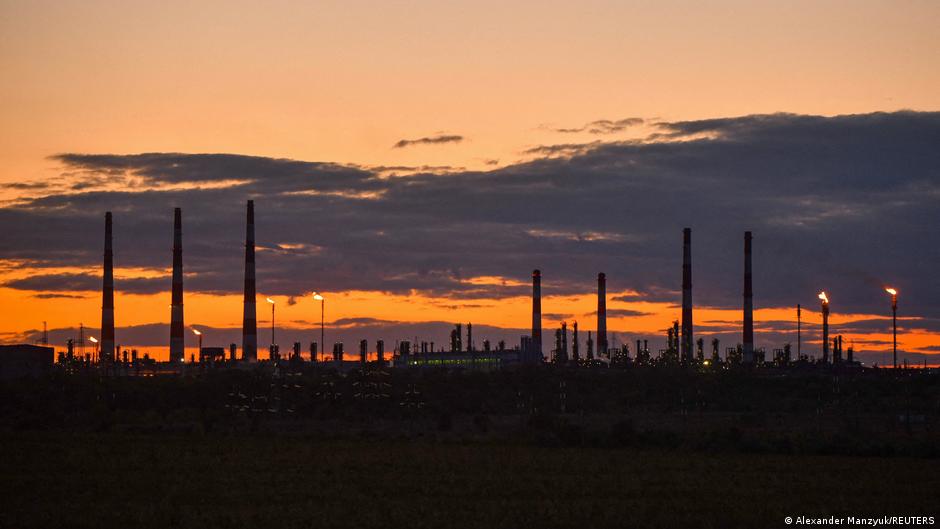
US Gas Proposal Tests Europe’s Postwar Energy Strategy and Economic Resolve
A reported US peace proposal would restore Russian pipeline gas to Europe, challenging the EU’s 2027 phaseout and reopening the debate over cost and dependency.

A reported US peace proposal would restore Russian pipeline gas to Europe, challenging the EU’s 2027 phaseout and reopening the debate over cost and dependency.

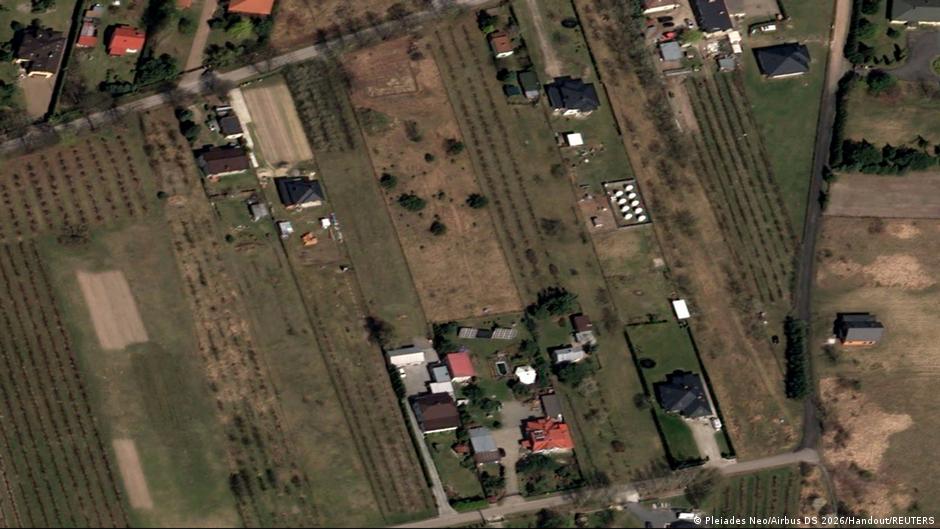
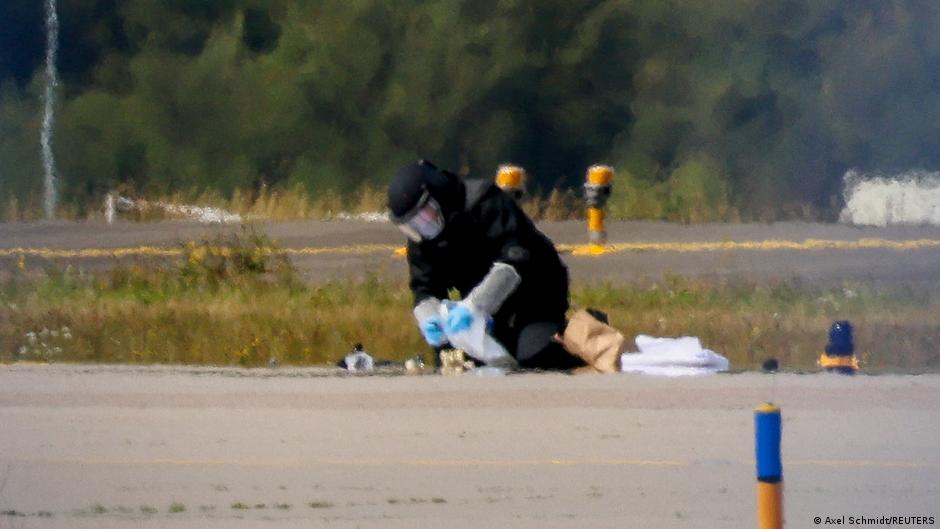
The suspected arson attack near Warsaw shows how limited physical sabotage can generate wider costs for infrastructure security, insurers and European governments.

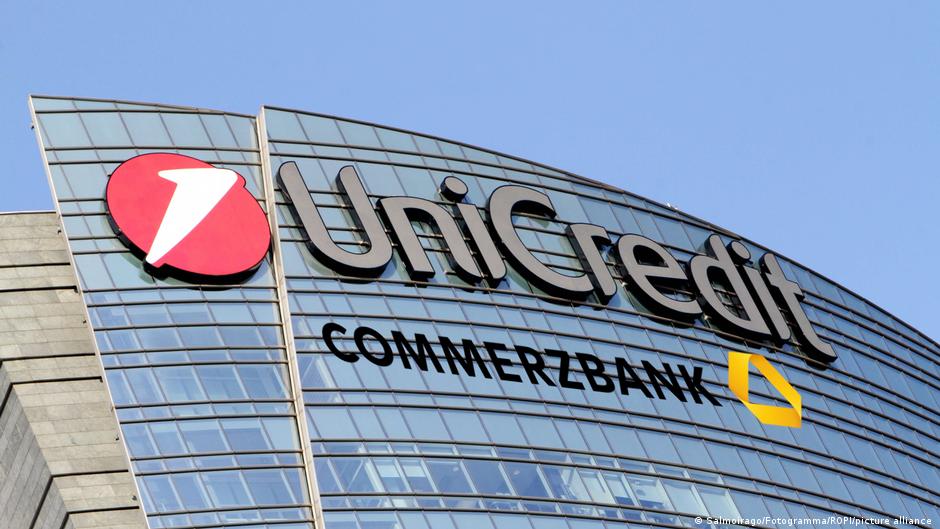
ECB approval gives UniCredit a route to control Commerzbank, testing Europe’s banking integration against German concerns over jobs and business lending.

EU leaders remain divided over a nearly €2 trillion seven-year budget as fiscal restraint, proposed bloc-wide levies and election risks complicate a compromise.

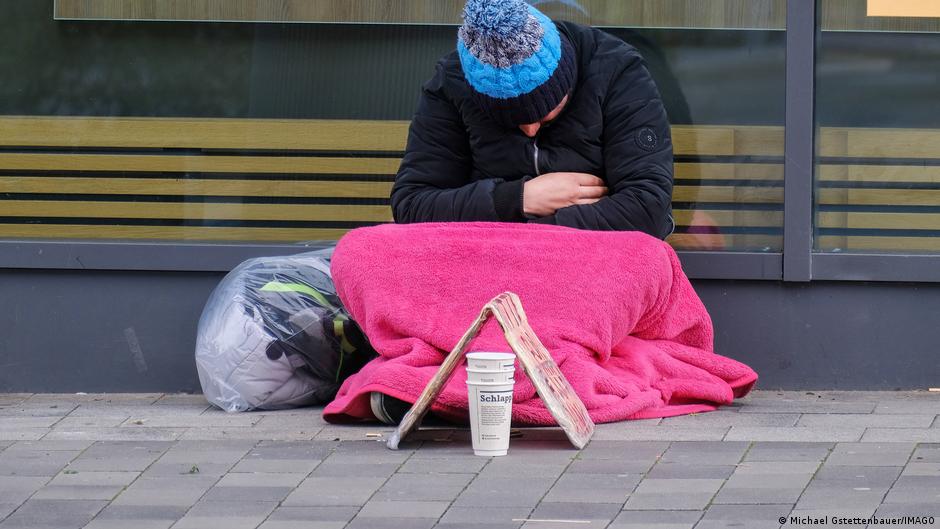
Germany’s long-term welfare rolls have reignited debate over Bürgergeld, work requirements and the structural barriers keeping people out of work.

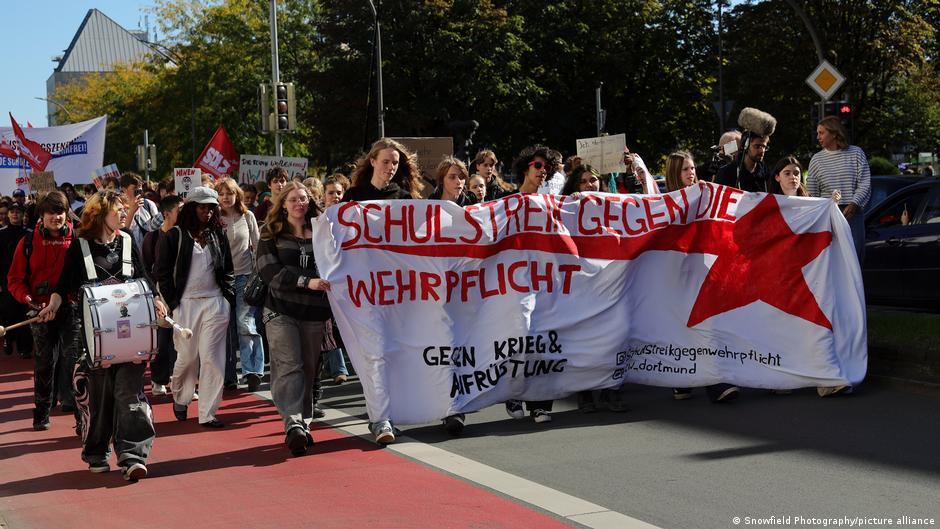
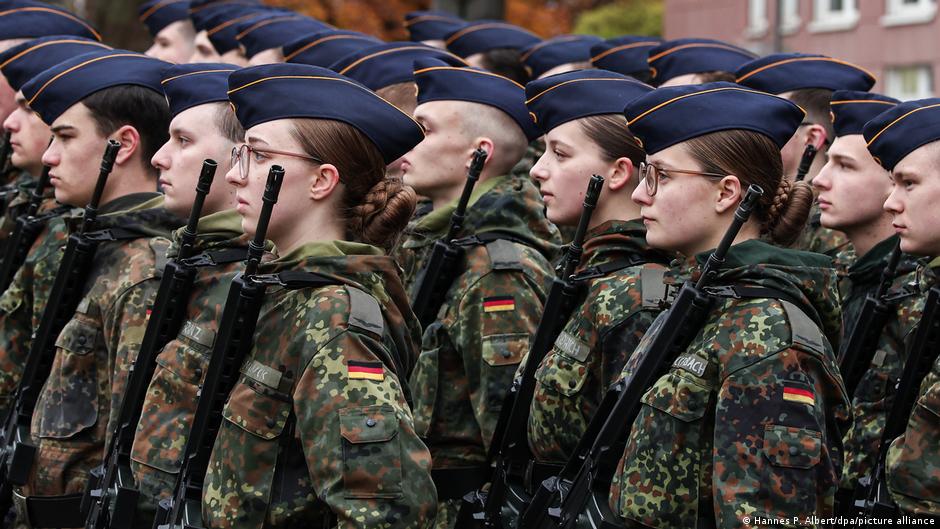
Germany recorded more than 12,000 military service refusal declarations in eight months as recruitment reform reshapes the Bundeswehr debate.

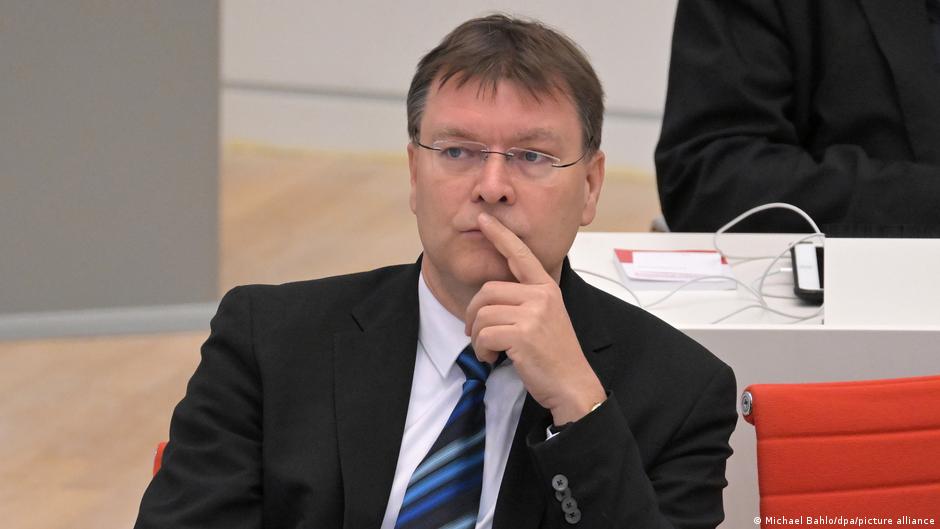
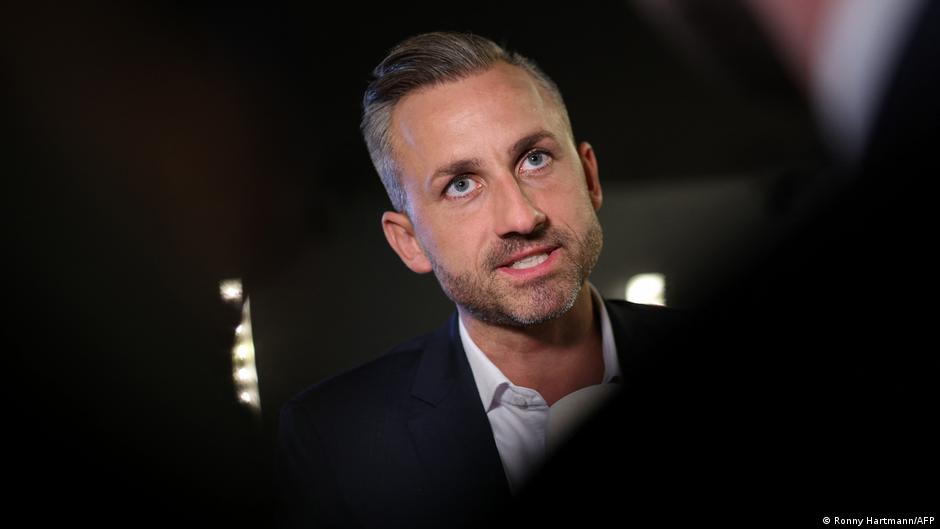
BSW lawmaker Sven Hornauf plans delegations to Belarus and Russia to revive twin-town links suspended after the war in Ukraine.

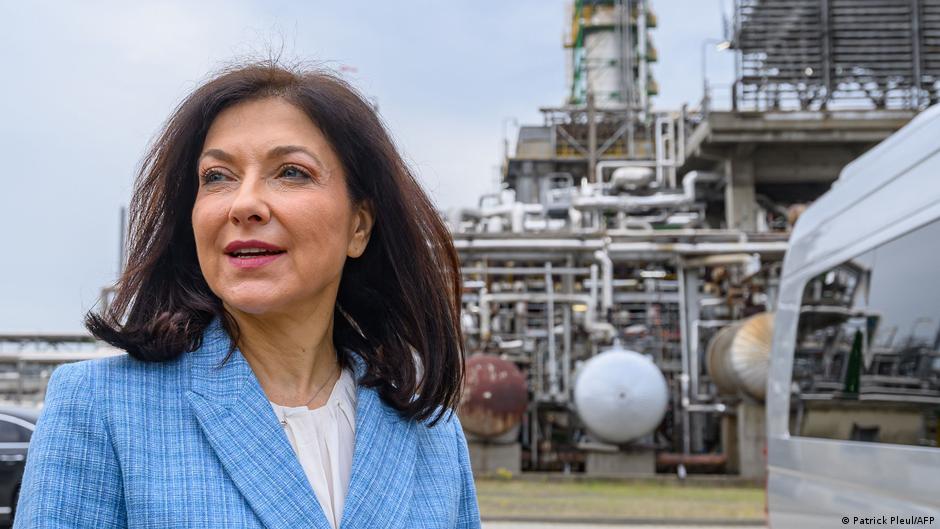
Katherina Reiche warned that the Left Party’s Berlin victory and expropriation plans could harm Germany’s investment climate.

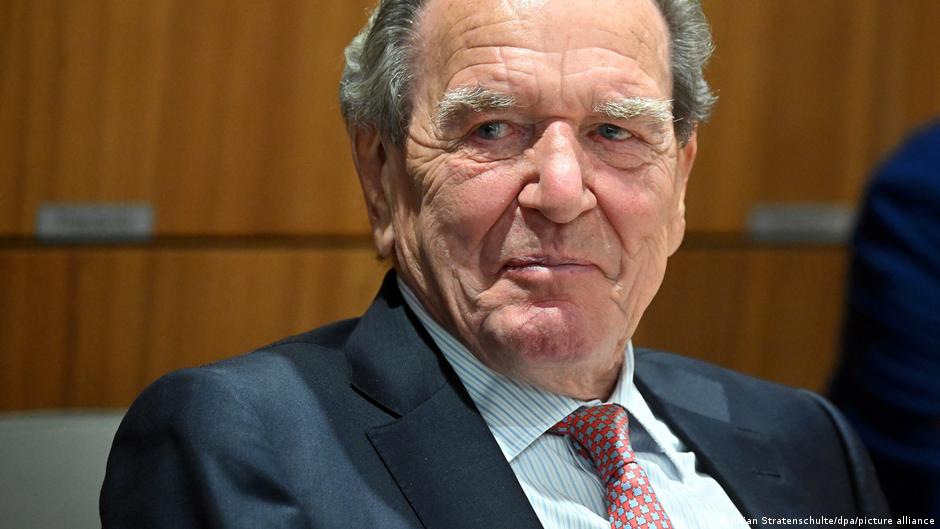
Gerhard Schröder’s new Hyperglobus role has reignited German debate over Russia exposure, political access and corporate risk.

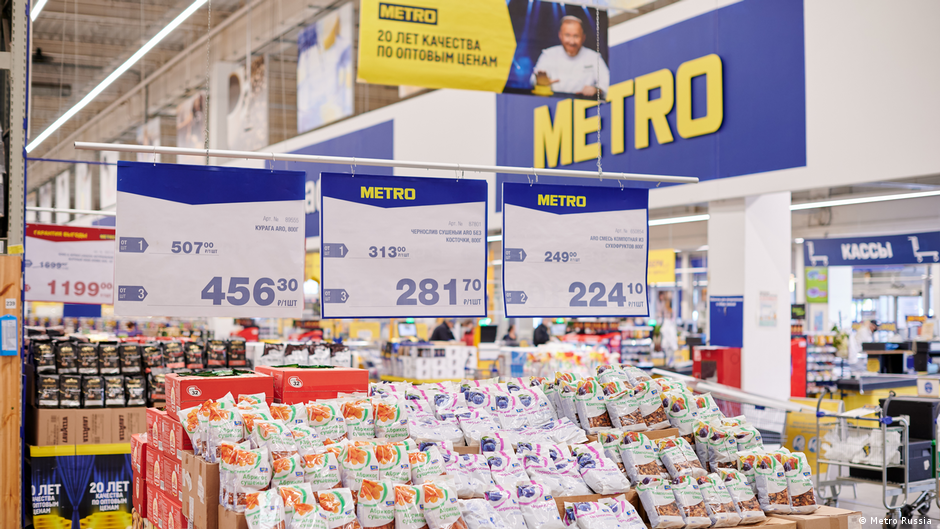
Foreign retailers in Russia face temporary administration, loss of control and political risk as assets linked to Auchan, Leroy Merlin, Metro and Globus come under pressure.

German and Austrian authorities searched two businessmen suspected of sending cars and trucks to Russia through third countries despite EU sanctions.

Lower Saxony’s runoffs strengthened Green urban leadership and showed the AfD’s difficulty converting first-round support into executive power.

Germany says Putin’s possible G20 attendance should be judged by whether Russia first signals seriousness on Ukraine through a ceasefire.

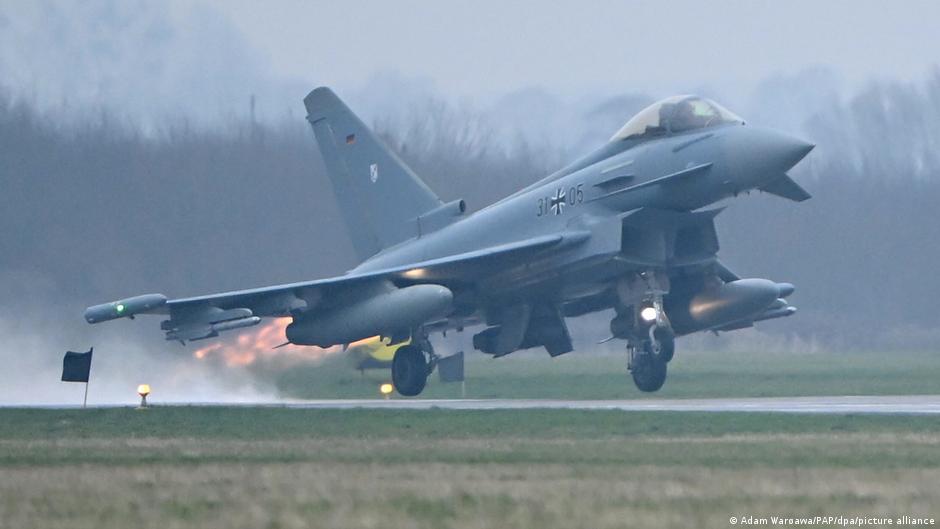
Germany’s Eurofighter deployment to Latvia shows how NATO air defense, election security and the economics of deterrence now overlap in the Baltics.

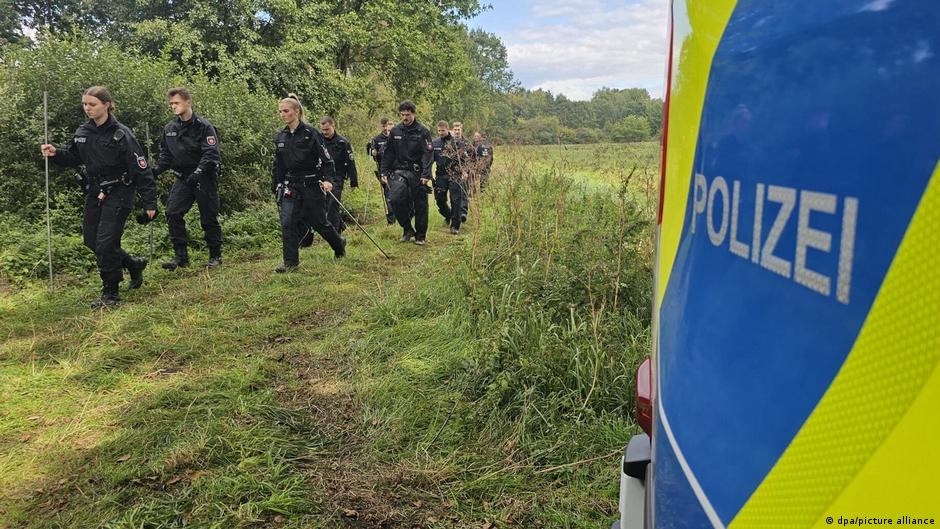
German investigators are probing whether a drone crash near the Wunstorf air base involved explosives and may be linked to Leipzig sabotage.

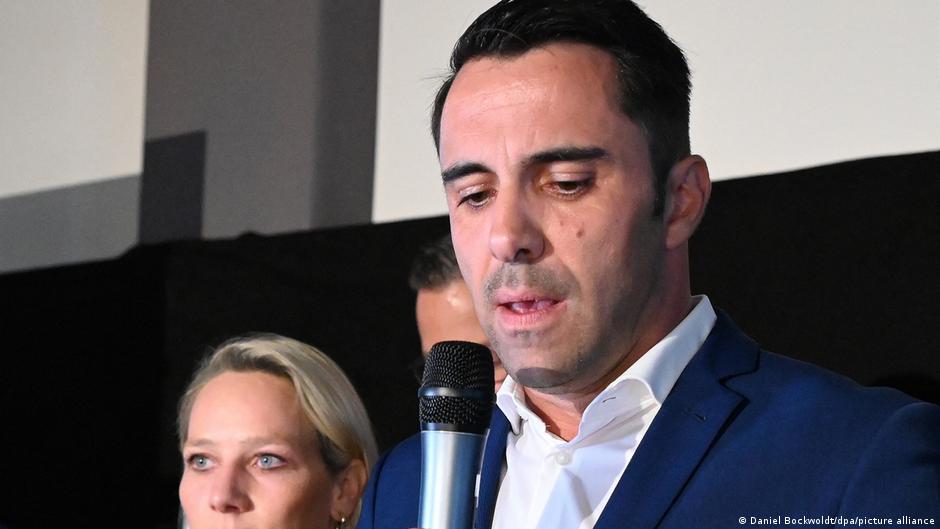
Daniel Peters resigned after the CDU won just 4.9% in Mecklenburg-Western Pomerania, missing a state parliament for the first time.

The Left Party’s Berlin victory puts housing expropriation, coalition arithmetic and fiscal risks at the center of the city’s next government.

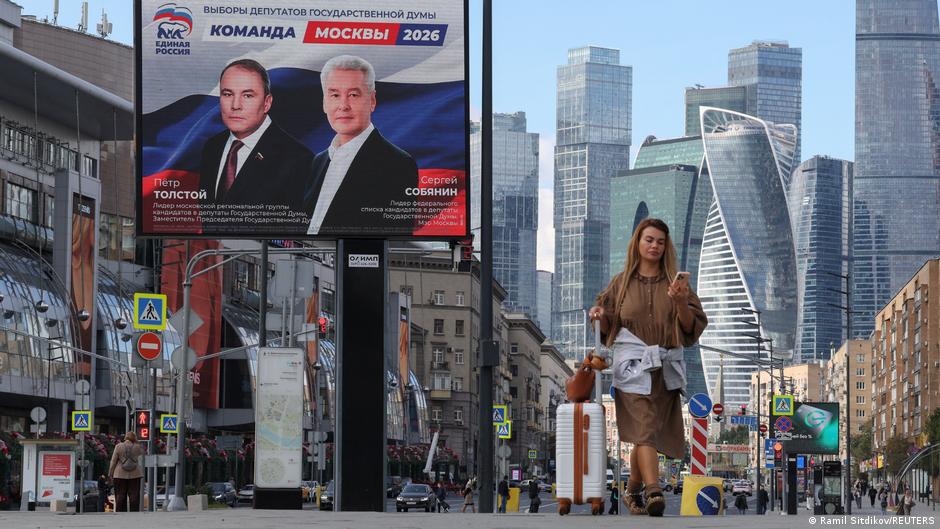
Partial results put United Russia on track for a State Duma constitutional majority, reinforcing Russia’s centralized wartime economic model.

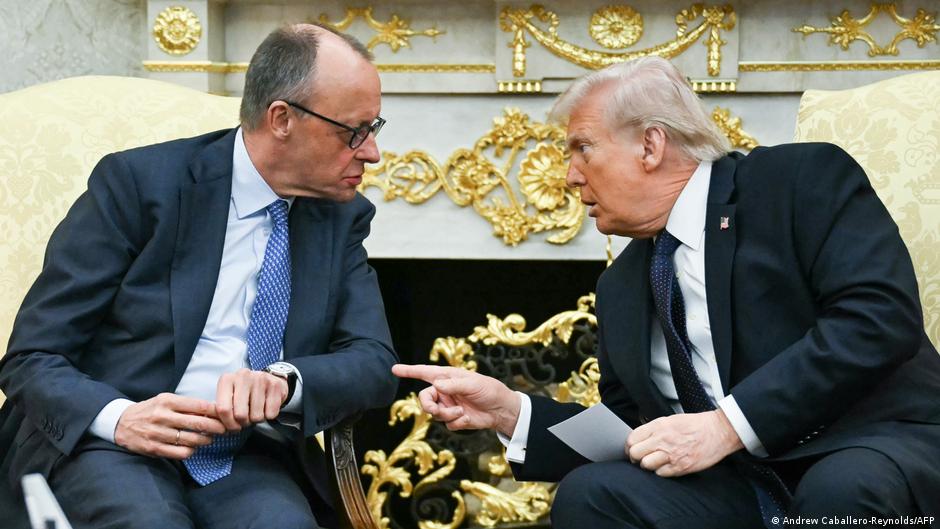
Merz says unconditional transatlantic friendship is over, framing U.S. tensions as a test of Germany’s security and economic model.

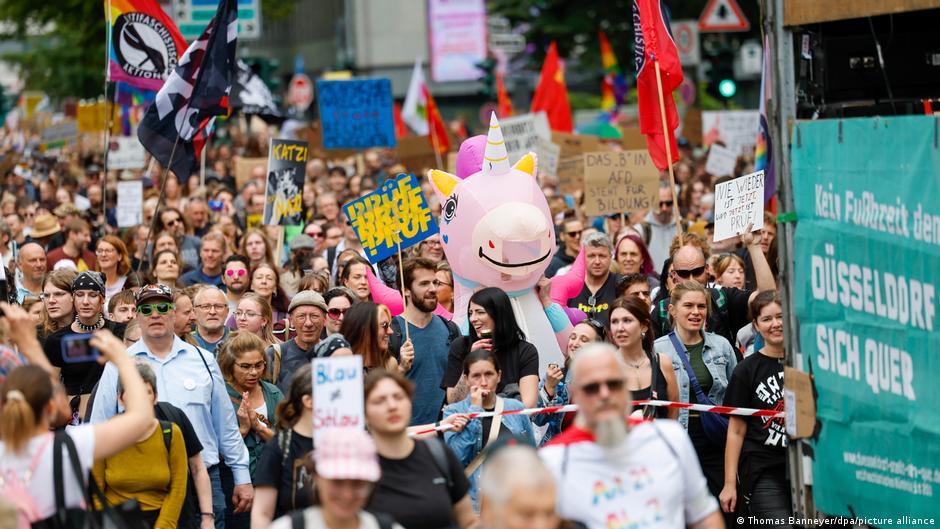
Mass protests across Germany against right-wing extremism show how the AfD debate is becoming an institutional and economic risk.

France warned CNews it could face criminal proceedings if former RT France chief Ksenia Fedorova returns to its programming by video link.

Germany’s foreign minister says Ukraine aid should also benefit German defense firms, linking support for Kyiv to industrial policy and taxpayer accountability.

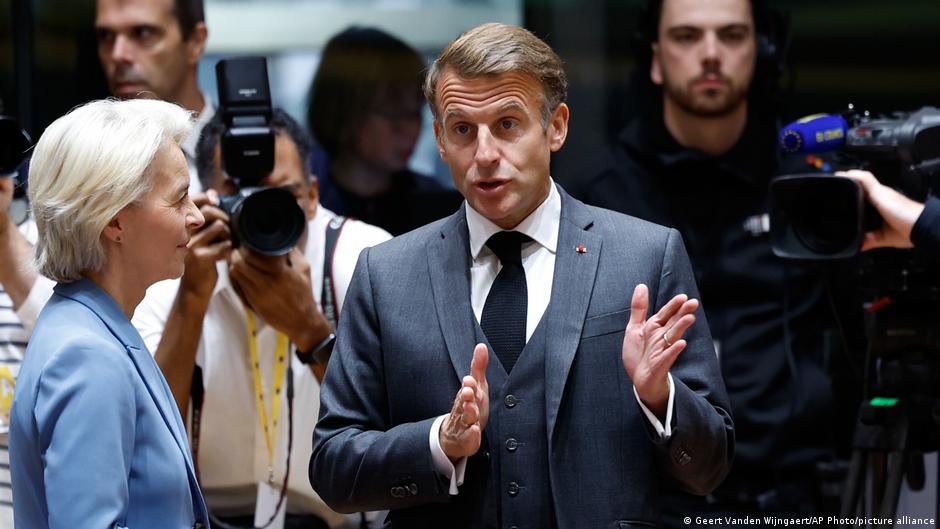
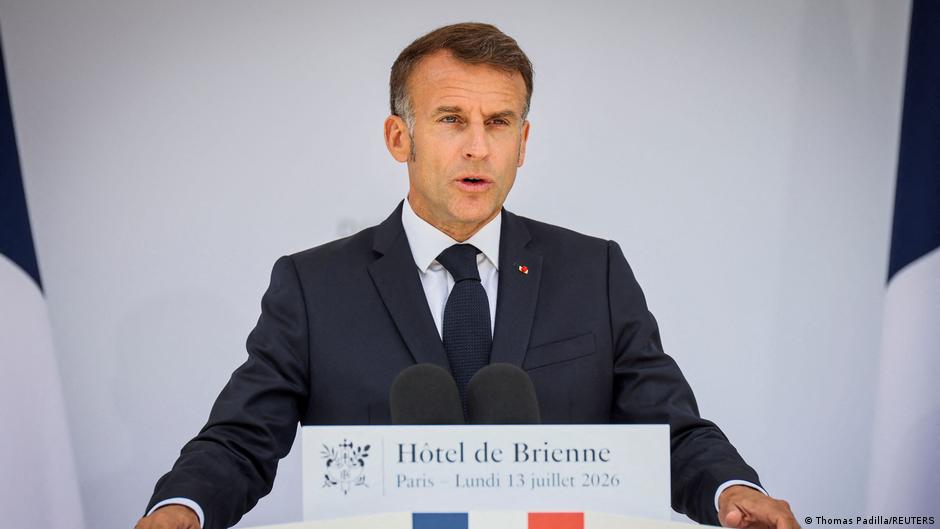
Macron is asking Brussels to craft an EU-wide ban on social media for children under 15 after France’s national law was blocked.

AfD’s projected win in Saxony-Anhalt drew sharp reactions from Poland, France and the Czech Republic, exposing wider European economic and political strains.

AfD’s 43.8 percent win in Saxony-Anhalt leaves no clear governing majority and raises major questions over energy, sanctions and eastern Germany’s economy.

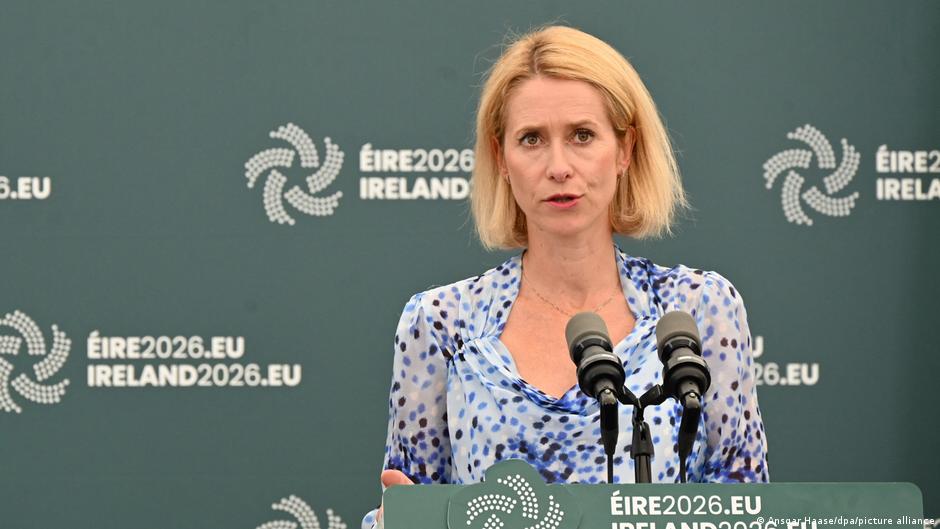
Kaja Kallas cancelled an EU defence expert group after German and Italian resistance, exposing deeper disputes over Europe’s defence economy.

Germany plans a broad anti-sabotage shield after the Leipzig drone incident, with major implications for infrastructure, cyber defense and business costs.

Latvia says a suspect in the Leipzig sabotage case had been living in Russia, deepening scrutiny of Europe’s logistics, visa and sanctions systems.

Volkswagen approved its biggest-ever restructuring, combining 50,000 job cuts, a halved model range and major investment to restore profitability.

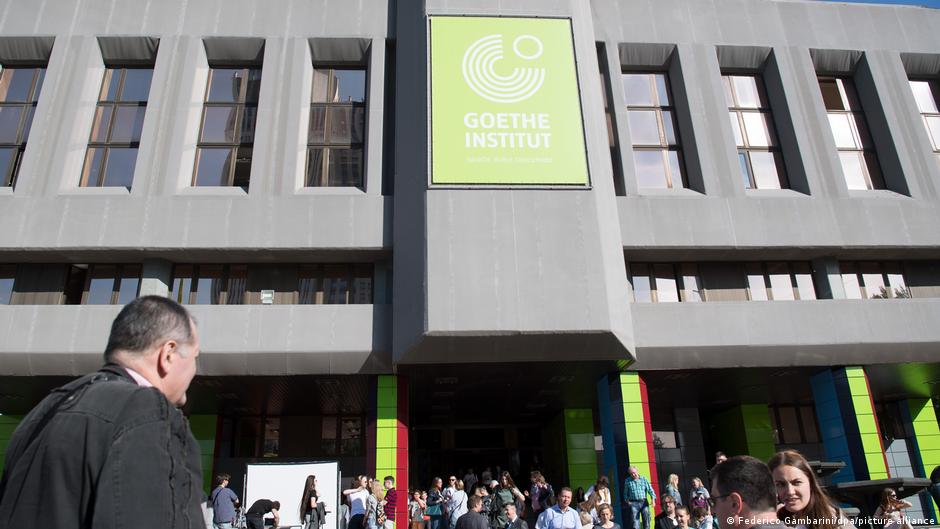
Russia says it will close Goethe-Institut branches after Berlin moved against the Russian House agreement amid a broader sanctions escalation.

Foreign investment in Germany rose to 86 billion euros in 2025, with EU capital still dominant as US inflows fell and UK investment surged.
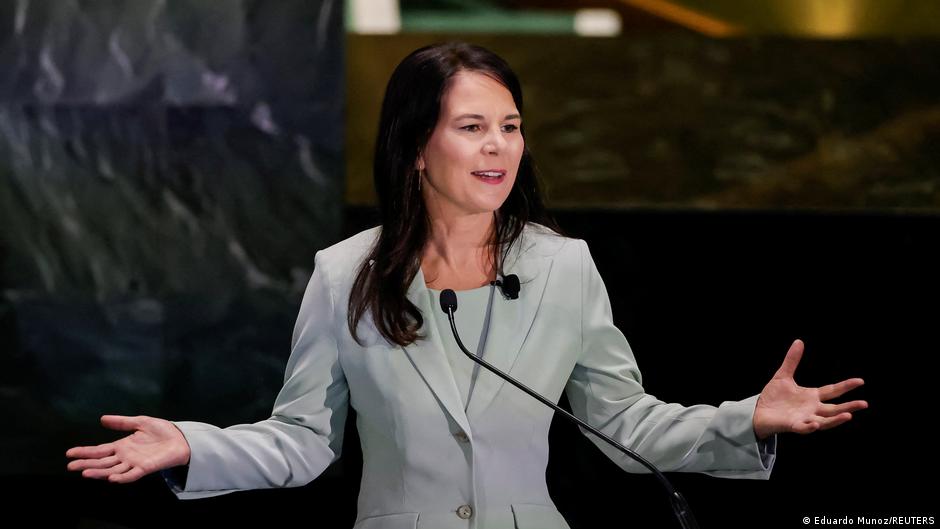
After concluding her UN General Assembly presidency, former German Foreign Minister Annalena Baerbock will join Columbia University as co-director of a global leadership master's program.

The U.S. has removed Syria from its terrorism sponsorship list after nearly 50 years, signaling new economic opportunities and shifting geopolitical dynamics in the Middle East.

Russia reportedly recruits criminal groups to sabotage European defense plants, challenging NATO’s unity and testing alliance response thresholds.

In 2025, foreign workers in Germany earned 23.6% less than German counterparts, reflecting persistent structural wage disparities linked to sector, education, and qualification gaps.

Several hundred Ukrainian soldiers have deserted military training courses in Germany since 2022, reflecting broader challenges in Ukraine's armed forces during prolonged conflict.

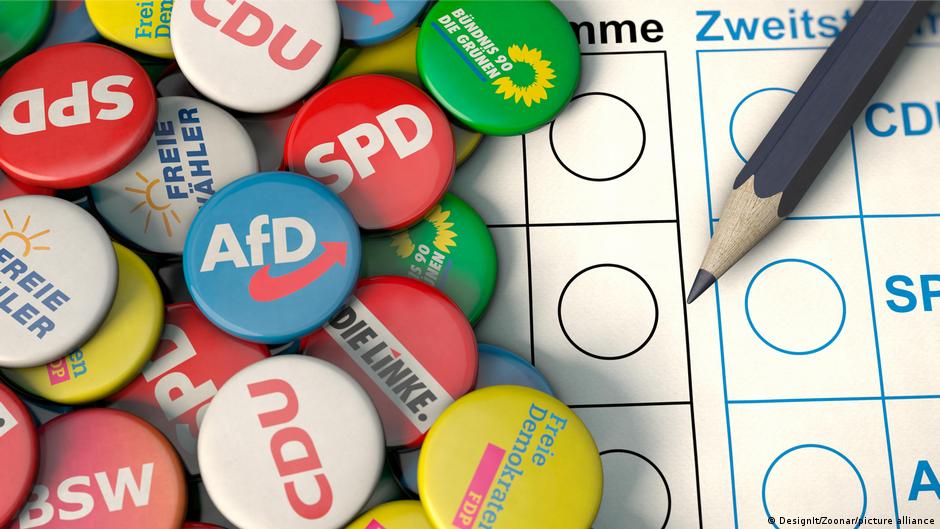
Germany’s CDU/CSU support falls to 20%, with far-right AfD leading polls ahead of key state elections, reflecting volatile voter behavior and shifting political allegiances.

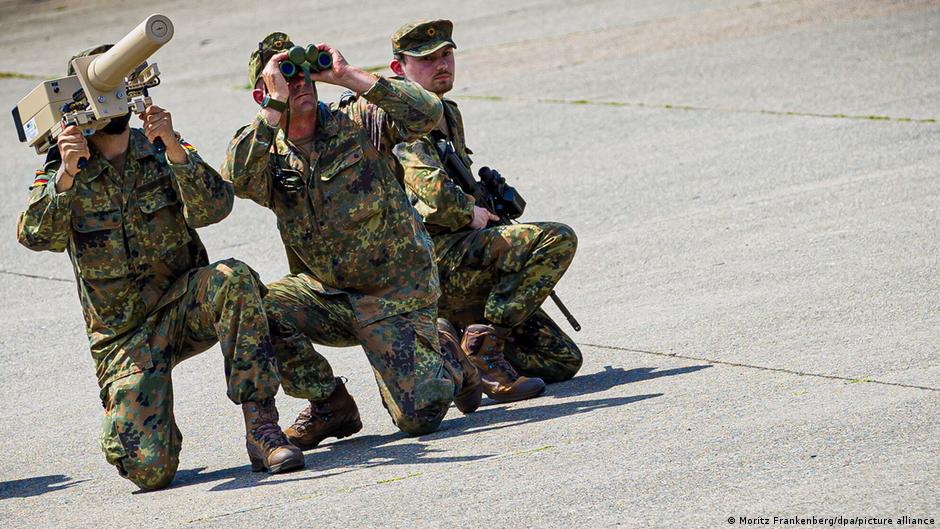
Germany reports a sharp rise in drone flights near Bundeswehr bases, prompting new countermeasures and reflecting broader hybrid security challenges amid regional geopolitical tensions.

Germany faces rising hybrid warfare threats amid drone attacks, prompting new research and security efforts to protect critical infrastructure and economic stability.

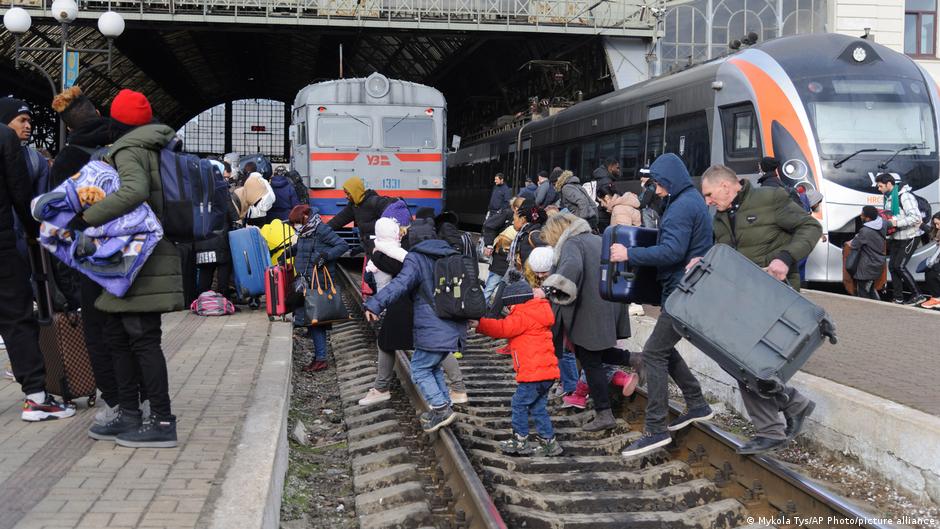
With over 8.4 million Ukrainians living abroad amid ongoing conflict, Ukraine faces significant demographic and economic challenges reshaping its future recovery.

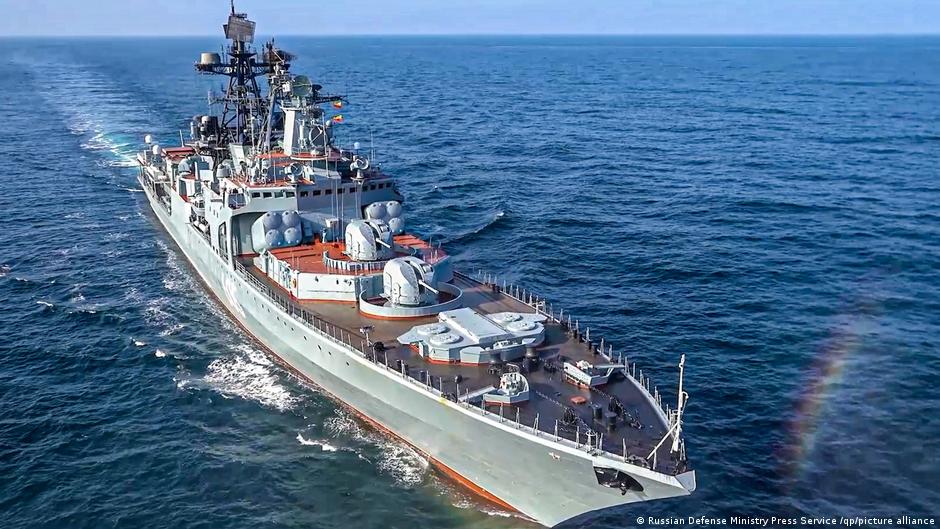
Russia has repositioned the Northern Fleet destroyer Admiral Levchenko to the Baltic Sea near Germany to protect its maritime shadow fleet amid increased sanctions and tensions.

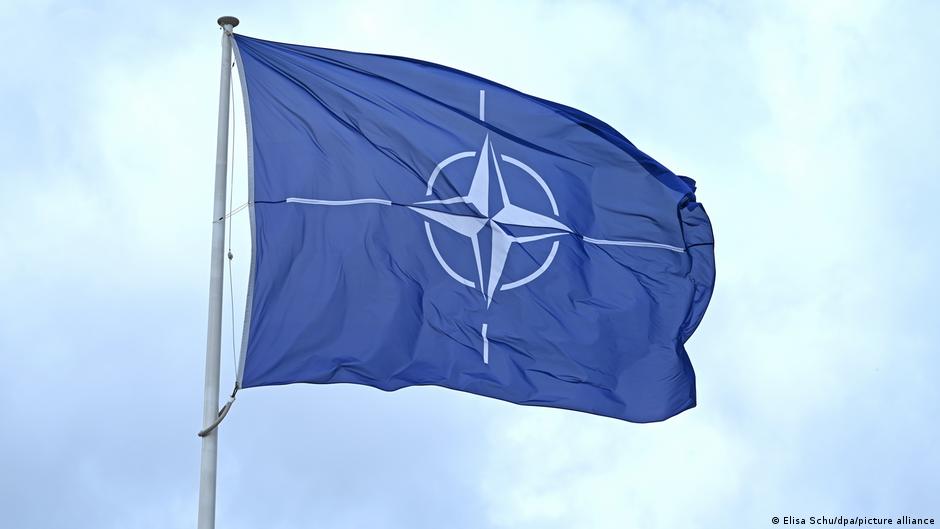
NATO considers deploying additional tactical nuclear weapons in Finland, Poland, and Lithuania, signaling a strategic shift in response to Russian security threats.

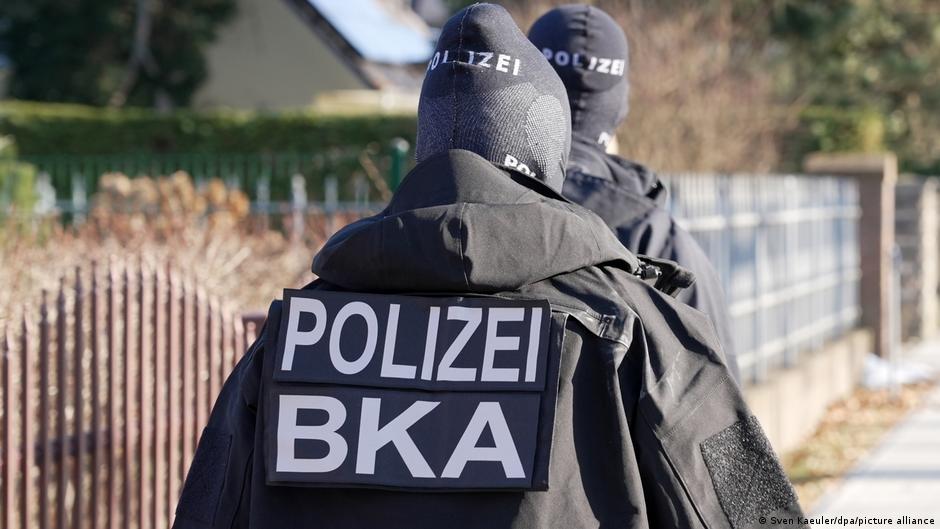
Germany’s Federal Criminal Police Office reports 410 Islamist threats amid rising radicalization consultations and debates on prevention strategies after a deadly Berlin attack.

Germany's Transport Minister Patrick Schnieder resigns amid internal CDU tensions, with Steffen Bilger nominated as his successor during a period of significant policy challenges.

Russian-linked bot networks have intensified disinformation efforts targeting German regional elections, spreading fake media to sway voter opinions in eastern states.

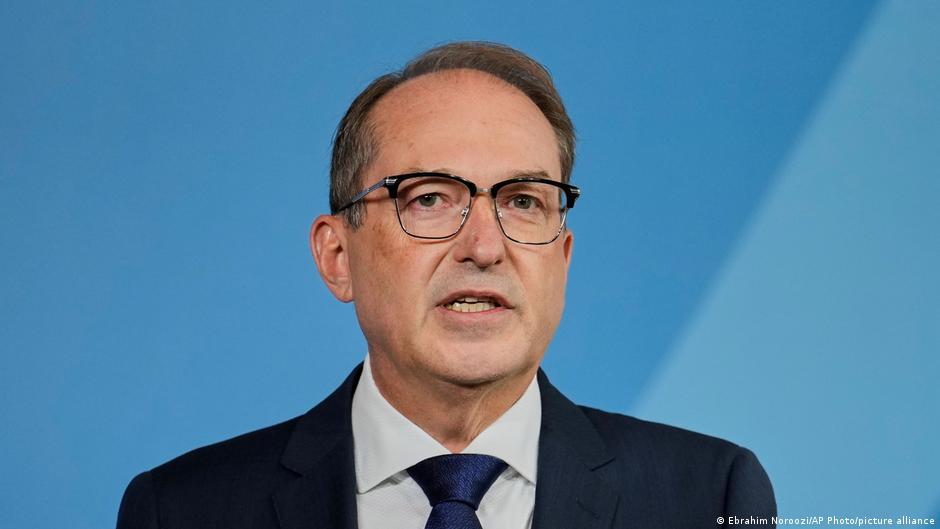
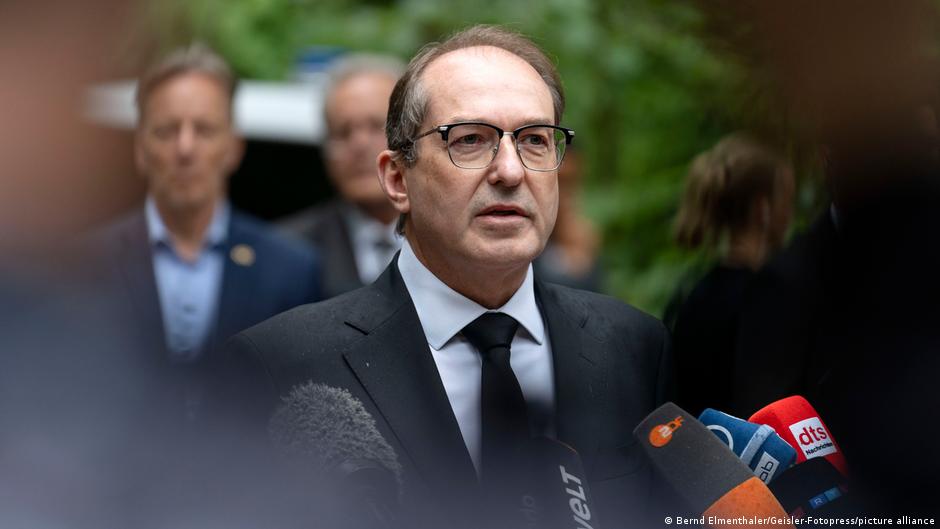
CSU leader Alexander Hoffmann urges Ukraine to transfer advanced drone technologies to Germany under an intergovernmental agreement, aiming to enhance Bundeswehr's defense capabilities.

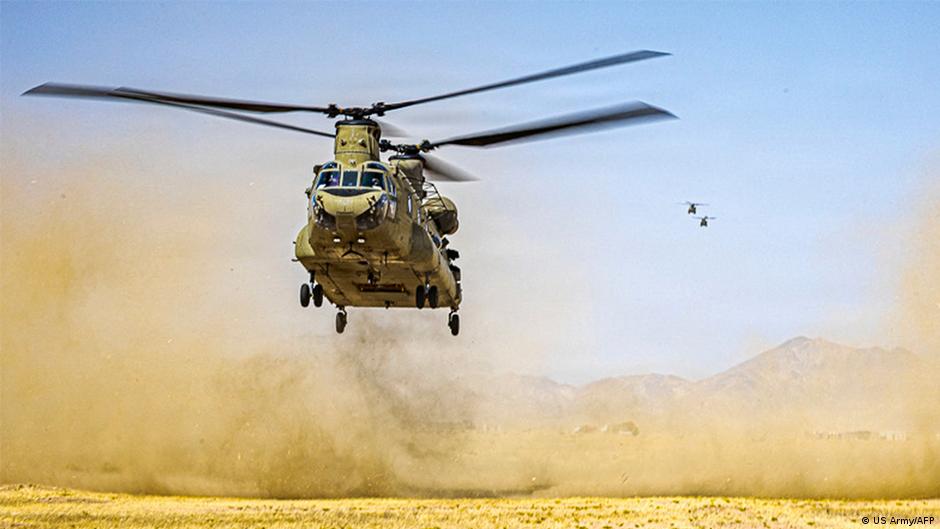
US military deaths in the conflict with Iran reach 17 after a fatal incident during ordnance disposal in northern Iraq, amid ongoing retaliatory strikes and heightened regional military activity.

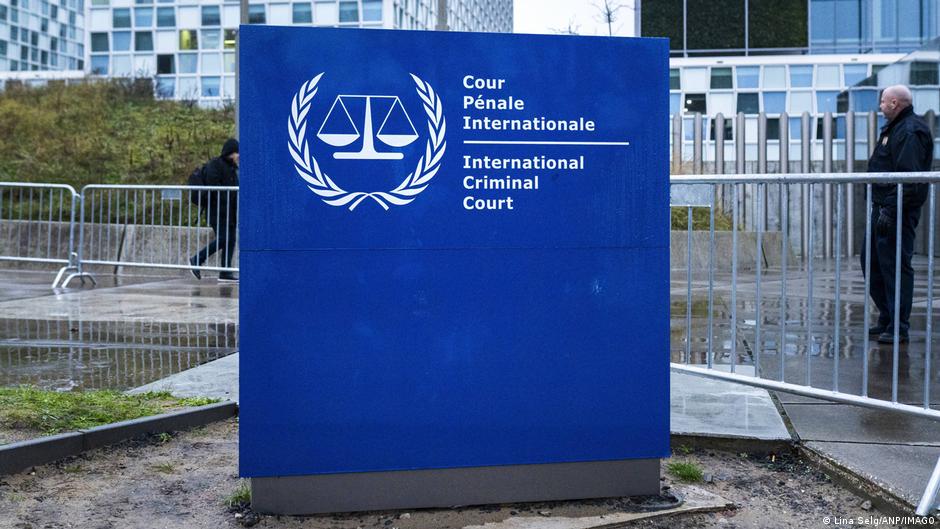
Germany reaffirms its commitment to the International Criminal Court as the US intensifies opposition, framing the court as a threat to American sovereignty and launching a diplomatic campaign against it.

Germany's military service refusals surged to 5,862 in early 2025 amid security tensions and new conscription reforms, signaling complex societal dynamics ahead.

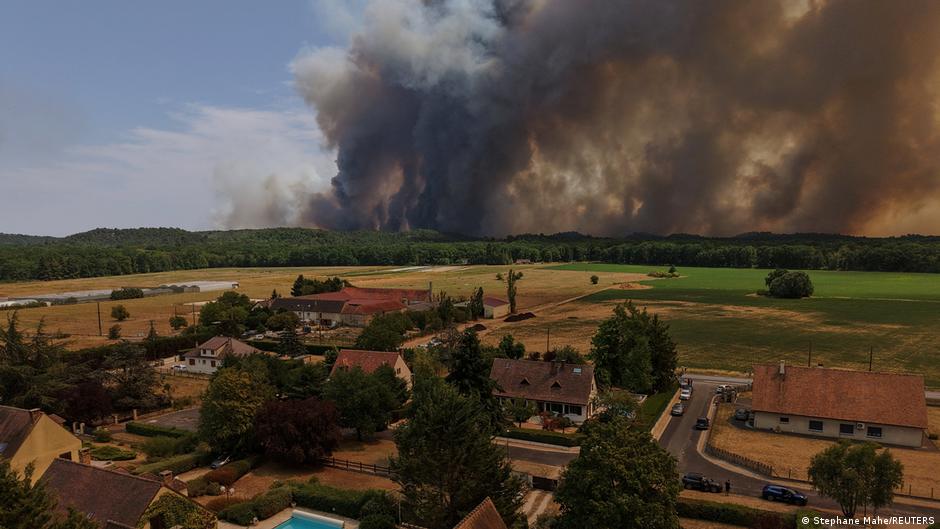
A massive wildfire near Paris burned over 1,300 hectares, leading to two arrests amid France's third heatwave, highlighting deep economic and climatic challenges.