Belarus Advises Citizens to Avoid Travel to Russia Amid Cross-Border Drone Attacks
Belarusian authorities recommend citizens refrain from visiting Russia, particularly border areas, due to ongoing security risks linked to Ukraine conflict.
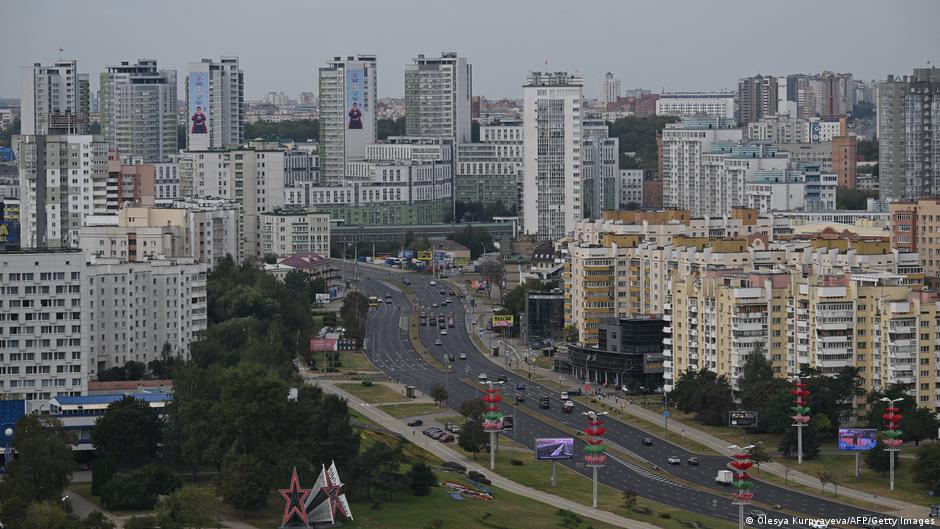
Amid escalating regional tensions stemming from the ongoing conflict in Ukraine, Belarusian security officials have urged their citizens to avoid travel to Russia, especially to its border regions. Alexander Volfovich, Secretary of the Belarusian Security Council, issued the advisory in light of repeated drone attacks targeting buses carrying Belarusian civilians in Russia's Bryansk region.
Security Concerns Prompt Travel Advisory
Volfovich's warning underscores the heightened risks facing Belarusian travelers in Russian border areas. He emphasized that no guarantees of safety can be offered while the war in Ukraine persists. “We have repeatedly warned—our president has spoken on multiple occasions—that respected Belarusians should avoid traveling to Russia currently, especially to border regions. Every day, drones fall there, and unfortunate incidents occur,” Volfovich stated.
“This is a personal choice—no borders have been closed. But traveling now exposes individuals to considerable danger.”
The advisory follows two recent drone strikes on buses transporting Belarusian citizens through Bryansk Oblast. Notably, these were not organized group excursions but private trips, including one to the Black Sea resort of Anapa. Volfovich highlighted the tragic consequences, referring to an incident on June 17 when a drone struck a bus carrying a children’s football team from Gomel en route to Gelendzhik. The attack resulted in one fatality—the female escort—and several injuries, including four children.
Another attack on July 2 targeted a bus traveling from Minsk to Anapa, injuring three people, including two drivers. These incidents have heightened Belarusian concerns over cross-border security amid the spillover effects of the Ukrainian conflict.
Geopolitical and Economic Implications
The advisories and attacks manifest the broader geopolitical destabilization affecting the region. Belarus’ recommendation to curtail travel to Russia not only signals security challenges but also illustrates growing economic and social disruptions. Cross-border movement between the two allied states had traditionally been fluid, facilitating trade, labor mobility, and tourism. The current environment threatens these economic linkages.
Such travel restrictions and heightened dangers may reduce Belarusian tourism revenues and dampen private consumer spending linked to trips to Russian leisure destinations. Moreover, the ambivalence around border security could complicate supply chains and bilateral commerce, which are critical to Belarus’ economy given its integration with Russia.
Historically, border regions in Eastern Europe experience economic vulnerability during periods of armed conflict, as mobility restrictions and security threats disrupt normal economic activities. The current warnings reflect these historical patterns, suggesting potential long-term impacts on regional economic stability.
Political Messaging and Information Warfare
Both Russia and Belarus have accused Ukraine of conducting the drone strikes, while Ukraine has dismissed these allegations as Kremlin disinformation. The conflicting narratives highlight the information warfare dimension of the conflict, complicating objective assessments of security risks and potentially influencing public perception and policy decisions in Belarus.
From an analytical perspective, these developments underscore the fragility of Belarus-Russia relations amid the Ukraine war and suggest a complex interplay between security considerations and economic imperatives. Belarus’ decision against closing borders outright, coupled with its cautionary advisories, reflects a balancing act between maintaining traditional ties with Russia and protecting its citizens from escalating conflict spillover.
In addition to urging citizens to avoid travel, Belarusian authorities have pointed to domestic leisure alternatives, encouraging tourism inside Belarus as a safer option to mitigate the economic impact of reduced outbound travel.
The evolving situation demands close economic monitoring, as cross-border disruptions may have cascading effects on labor markets, trade flows, and regional economic integration in the Eastern European space.
Ultimately, Belarus’ travel advisory amid drone attacks encapsulates the intersection of security threats and economic vulnerabilities inherent in a conflict-adjacent state, offering a case study in how regional instability translates into structural economic challenges.