Continued Russian Strikes on Ukrainian Regions Result in Civilian Casualties and Infrastructure Damage
Russia’s July 2 attacks across multiple Ukrainian regions caused deaths, injuries, and extensive damage, reflecting the war’s escalating civilian toll and economic disruption.
Background and Context of the July 2 Strikes
On July 2, 2024, Russia sustained a pattern of daytime and evening missile and drone strikes targeting several regions of Ukraine, following a devastating overnight assault on Kyiv reported as the deadliest since the conflict began. These strikes underscore a continued strategy of targeting civilian infrastructure and population centers, exacerbating the humanitarian crisis and inflicting significant economic damage.
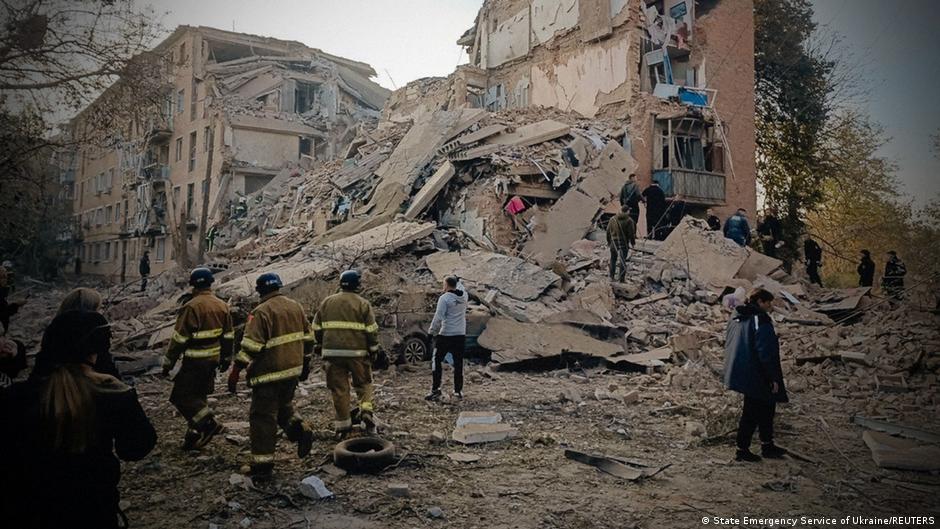
The attacks impacted eastern and southern regions, including Kherson, Zaporizhzhia, Dnipropetrovsk, Mykolaiv, Kharkiv, Sumy, and Donetsk. Local authorities reported multiple casualties among civilians, including children, and extensive damage to residential buildings, educational institutions, medical facilities, and critical infrastructure. The ongoing offensive reflects the sustained pressure on Ukraine’s regional economies and societal resilience.
Human and Economic Toll Across Affected Regions
In Kherson, a civilian car strike led to the death of a 41-year-old man, while a medical facility was hit, killing a 63-year-old doctor and injuring a nurse. Another local resident died after triggering explosive ordnance while mowing grass. The region remained under multiple drone attacks into the night, including near the Kherson Oil Refinery, a key industrial asset.
“The persistent drone and missile strikes disrupt not only daily life but also the economic functions critical to the region’s recovery and stability,” noted regional officials.
Zaporizhzhia experienced strikes on a residential building, a warehouse linked to a retail store, a parcel sorting center, and a sports facility, resulting in injuries to seven people, including children aged six to sixteen. These attacks on civilian and commercial infrastructure highlight the widespread economic disruption beyond immediate physical damage.
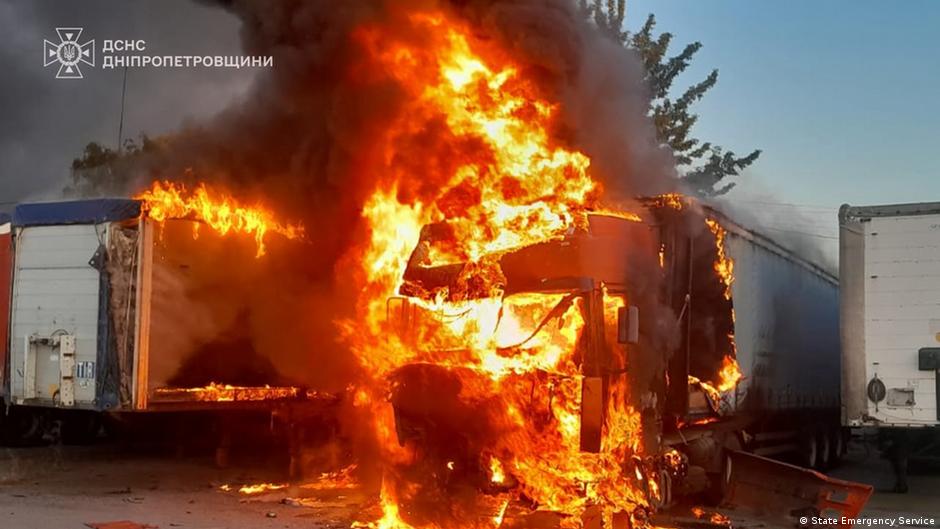
In Dnipropetrovsk, approximately 40 strikes by drones, artillery, bombs, and missiles caused two deaths, including a seven-year-old girl, and nine injuries among children and adults. Damage extended to multi-family homes, private residences, a gymnasium, and vehicles, reflecting a broad impact on both housing and educational infrastructure critical to community stability.
Mykolaiv suffered casualties from drone attacks in the vicinity of a gas station, with one fatality and seven injured. Damage to fuel infrastructure and private property indicates potential disruptions to energy supplies and local commerce.
Kharkiv endured damage to a high-rise residential building, a gas station, and vehicles, with three civilians injured. The strikes on urban infrastructure further strain the economic activities of Ukraine’s second-largest city.
Sumy was hit by three guided aerial bombs, injuring eleven people, including three children, and seriously damaging a school located within a residential area. Damage to educational facilities represents a long-term blow to human capital development in the region.
In Donetsk’s Kramatorsk, a drone strike on a vehicle caused injuries to one person, adding to the region’s continuing civilian hardship amid ongoing conflict.
Structural Economic Implications and Historical Parallels
The pattern of attacks targeting civilian infrastructure and economic assets draws parallels to other protracted conflicts where urban centers and industrial hubs become focal points of warfare. The deliberate disruption of healthcare, education, logistics, and energy infrastructure inflicts long-term damage on regional economies, impeding recovery and displacing populations.
Historically, sustained attacks on critical infrastructure have led to cascading effects—ranging from labor force displacement to supply chain interruptions, which in turn depress economic output and exacerbate humanitarian crises. Ukraine’s current experience reflects this dynamic, as repeated strikes undermine local governance capacity and economic resilience.
Furthermore, the involvement of various weapon systems, including drones and guided bombs, highlights a shift towards increasingly precise yet destructive tactics aimed at destabilizing civilian life and regional economies. The extensive damage to schools, hospitals, and residential buildings will require significant post-conflict reconstruction efforts, straining already limited resources.
As the conflict persists, analysts emphasize the need to consider not only immediate military outcomes but also the deep structural economic consequences of such attacks—effects that will shape Ukraine’s post-war recovery trajectory and the broader regional stability for years to come.