Russia Extends Use of Euro-3 Fuel Standard Until End of 2026 Amid Energy Crisis
Russia permits circulation of higher-sulfur Euro-3 gasoline and diesel domestically to stabilize fuel supply amid refinery disruptions, excluding EAEU exports.
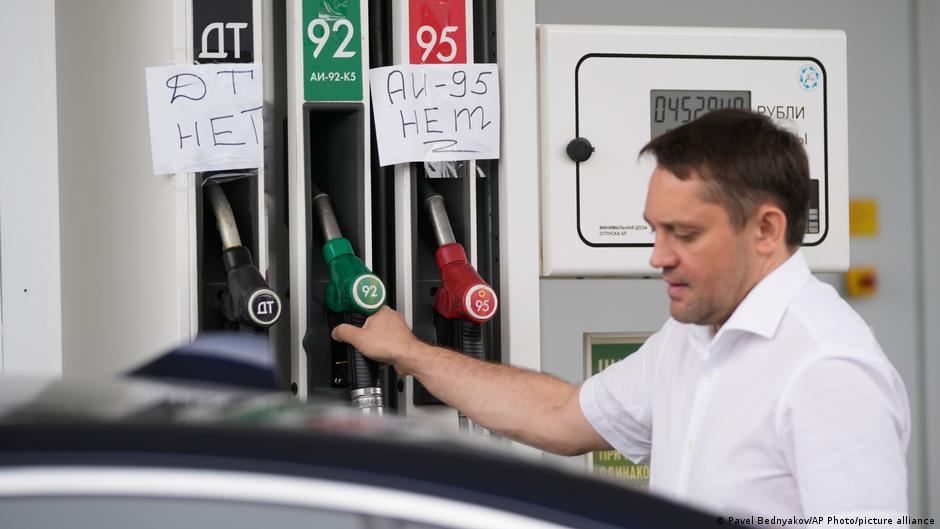
In a move reflecting the growing pressures on Russia's fuel supply infrastructure, the government has authorized the continued domestic circulation of gasoline and diesel fuels meeting the outdated Euro-3 environmental standard until the end of 2026. This decision, formalized in a government resolution signed by Prime Minister Mikhail Mishustin on July 2, signals a strategic shift in fuel quality regulations aimed at mitigating destabilization risks in the internal energy market.
Context and Implications of the Euro-3 Standard Reintroduction
The Euro-3 fuel standard, originally enforced across Europe from 2000 to 2005, permits significantly higher sulfur content than modern standards. Specifically, the sulfur limit in Euro-3 gasoline can reach 150 milligrams per kilogram, while diesel sulfur content can be as high as 350 mg/kg. In contrast, the current Euro-5 standard restricts sulfur to just 10 mg/kg—15 times lower for gasoline and 35 times lower for diesel.
According to the Russian Ministry of Energy, only select refineries will be authorized to produce fuels adhering to Euro-3 criteria. Crucially, this fuel will not be marked with the unified product circulation label of the Eurasian Economic Union (EAEU) and will be prohibited from export to other member states, effectively limiting Euro-3 fuel to the Russian domestic market.
"The easing of gasoline quality requirements is part of preventive measures aimed at preventing destabilization in the internal energy market," the government stated.
The relaxation of fuel standards is a direct response to the severe disruptions facing Russia’s fuel production capabilities. Since late May, the Russian fuel sector has suffered from systematic attacks by Ukrainian Armed Forces targeting critical refineries and energy infrastructure. Most notably, Moscow’s Kapotnya refinery—responsible for approximately 40% of the capital’s fuel supply—was struck twice within one week and is expected to remain offline until late 2026 or early 2027.
Data from Reuters highlight the scale of the crisis: gasoline production has declined by 25% from June of the previous year to 85,000 tonnes per day, against a summer consumption estimate of 110,000 tonnes per day. Concurrently, official restrictions on fuel sales have been imposed across more than 40 Russian regions, including territories under Russian occupation in Ukraine, with interruption complaints reported in 85 regions. Analytical agency Kpler reports fuel reserves have diminished by several hundred thousand tonnes over three months. President Vladimir Putin has publicly acknowledged the shortage.
Economic and Environmental Consequences
Allowing the return to Euro-3 standards facilitates the use of crude oils that require less intensive refinement processes and enables the revitalization of refinery units incapable of producing fuel that meets stricter environmental criteria. Dmitry Prokofiev, Communications Director at NEFT Research, notes that this maneuver simplifies production and optimizes available capacity. However, he cautions that Euro-2 fuel—also under consideration for reintroduction—may be unsafe for a significant proportion of modern vehicles, raising concerns about long-term impacts on vehicle performance and emissions.
From a structural economic perspective, this policy reflects a trade-off between ecological standards and short-term energy security. The reversion to higher-sulfur fuels represents a temporary setback in Russia’s environmental commitments and signals deeper systemic vulnerabilities in its fuel supply chain. The inability to fully secure and modernize refinery infrastructure under the ongoing conflict pressures underscores risks to Russia’s broader industrial and transportation sectors.
Furthermore, the exclusion of Euro-3 fuel from EAEU circulation raises questions about the integration and harmonization of regional energy markets. Russia’s internal policy divergence may complicate supply chains and regulatory frameworks within the bloc, with potential ripple effects on trade and environmental standards.
Ultimately, this episode reveals the fragility of energy infrastructure in conflict-affected states and the complex balancing act governments face between maintaining supply and adhering to environmental and safety standards.