Russia Reduces Drone and Missile Strikes on Ukraine in June Amid Complex Strategic Factors
June saw a 29% drop in drone attacks and a 15% decline in missile strikes by Russia on Ukraine, signaling potential shifts in conflict dynamics.
Analysis of the June Reduction in Russian Drone and Missile Strikes
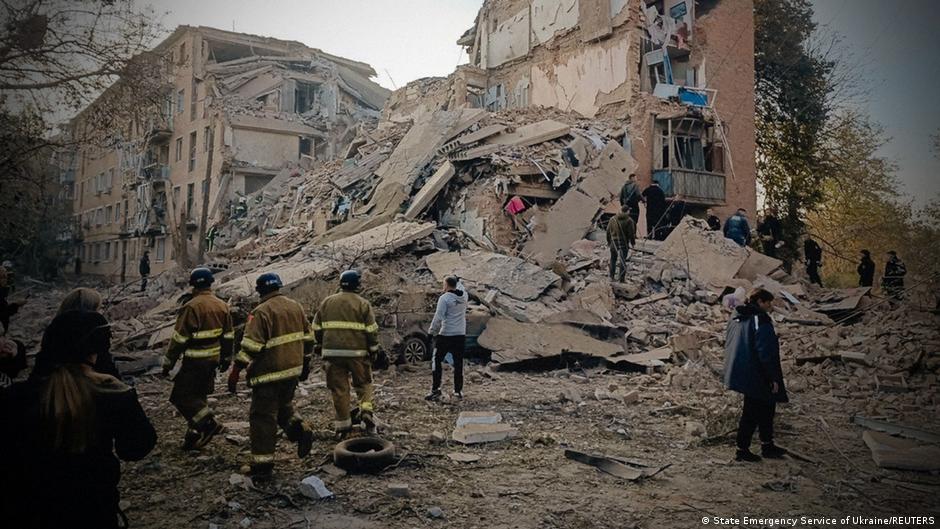
In June 2024, Russia notably reduced the frequency of its drone and missile strikes against Ukraine compared to May, with a 29% decrease in drone attacks and a 15% reduction in missile launches. These figures, derived from Ukrainian Air Force data and analyzed by AFP, mark a significant shift from May's record levels of aggression but do not yet confirm a sustained trend.
Specifically, Russia carried out 5,749 drone strikes and fired 180 missiles in June, down from 8,150 drones and 211 missiles in May. May represented the peak month since the full-scale invasion began in February 2022, with unprecedented use of unmanned aerial vehicles (UAVs) and missile firepower. The drop in June thus raises important questions about the strategic calculus and the operational capacity of Russian forces.
"It is premature to declare a new phase in the conflict; the reduction may be a temporary pause linked to preparatory efforts ahead of autumn offensives," analysts noted.
Experts, including analysts from Ukraine and France consulted by AFP, caution against interpreting the June decline as a definitive shift. Instead, it might signify a tactical pause allowing Russia to replenish its drone stockpiles and missile reserves. The approach to warfare itself appears unchanged, with drone strikes remaining a core component of Russian military operations. This suggests that renewed escalation could occur once logistical and production challenges are addressed.
From a structural perspective, if the decline signals a longer-term trend, it could be indicative of deeper systemic issues within Russia’s defense-industrial complex. Challenges in sourcing Iranian Shahed drones due to recent geopolitical tensions involving the United States and Israel, alongside potential manufacturing and supply chain constraints, have been highlighted as factors potentially constraining Russian strike capabilities.
Counterstrikes and Fuel Shortages: Ukraine's Tactical Response
Meanwhile, Ukraine has intensified its own offensive operations against Russian targets, framing these as retaliatory measures. A strategic focus has been placed on hitting Russian oil infrastructure — including refineries, fuel depots, and ports — which has contributed to a pronounced fuel shortage within Russia. This element of economic warfare aims to undermine Russia’s logistical capabilities and war-sustaining capacity.
Additionally, Ukraine has reportedly targeted key defense industry installations, such as the Voronezh Semiconductor Device Plant. This factory produces critical electronics used in Russian missile systems, including components for the Iskander missile. These strikes represent an evolving dimension of the conflict, where precision targeting of industrial nodes may erode Russia’s military effectiveness over time.
The economic implications of these developments are profound. Reduced Russian strike activity may reflect both operational and economic stress, signaling potential constraints on military hardware production and procurement. Simultaneously, Ukraine’s focus on infrastructure degradation highlights the conflict’s growing impact on Russia’s broader economic resilience.
Historically, prolonged conflicts often see fluctuating intensity in military operations driven by logistical bottlenecks, economic pressures, and strategic recalibrations. The June decline in Russian strikes may thus mirror previous wartime patterns where periods of heavy bombardment are interspersed with operational lulls. The capacity of both sides to sustain or escalate these patterns will be crucial in determining the conflict’s trajectory moving forward.