Belgorod Reservoir Dries Up Following Uncontrolled Water Release After Ukrainian Attacks
Uncontrolled water discharge from Belgorod Reservoir dam after Ukrainian strikes has reduced water levels to historic lows, raising economic and environmental concerns.
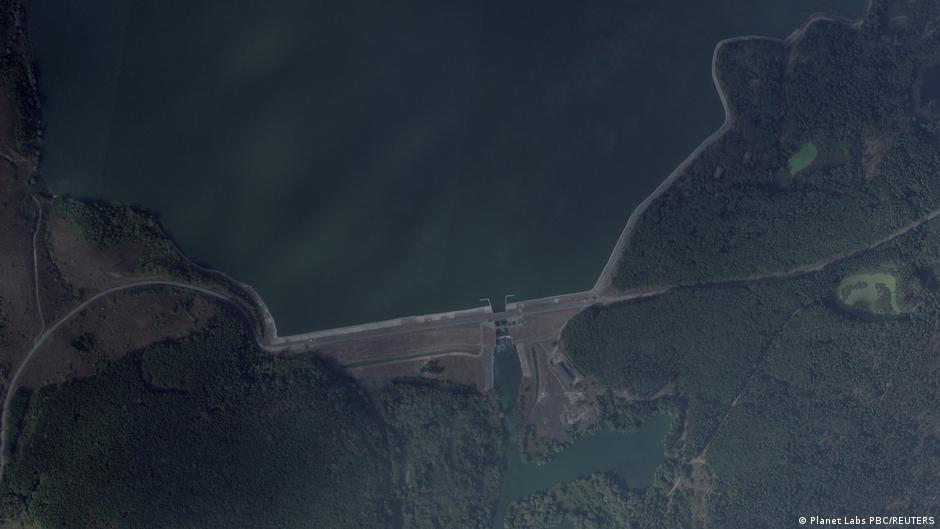
In July 2026, multiple strikes by Ukrainian forces targeted the dam of the Belgorod Reservoir, resulting in an uncontrolled release of water that significantly lowered the reservoir's levels. Eyewitness reports indicate that the water depth now varies between 10 and 40 centimeters, a drastic decline from typical levels.
Historical Context and Structural Impact of the Attacks
The Belgorod Reservoir, a critical infrastructure element for the Belgorod region in Russia, has endured repeated attacks since October 2025. Earlier strikes damaged the reservoir's hydraulic facilities, triggering partial water releases. The July 2026 attacks near the villages of Bezyudovka and Grafovka in the Shebekinsky district escalated the situation, provoking an intense and uncontrolled discharge of water downstream.
Local Telegram channels reported the authorities' eventual success in halting the uncontrolled water release. However, the damage led to the reservoir receding to the historical riverbed of the Seversky Donets River, dramatically changing the aquatic landscape and potentially affecting regional water management.
"Current measurements show water depths ranging from just 10 to 40 centimeters," stated Vladimir Titov, a Belgorod urbanist, highlighting the severity of the reservoir's depletion.
The reservoir's depletion holds significant economic and environmental implications. The Belgorod Reservoir serves multiple purposes including irrigation, flood control, and supporting local ecosystems. Its sudden drying threatens agricultural productivity, disrupts aquatic habitats, and compromises the region's flood management capabilities.
Broader Economic and Geopolitical Consequences
The attacks on the reservoir form part of a broader strategic conflict where critical infrastructure is increasingly targeted to undermine economic stability and civilian morale. The repeated strikes on hydraulic structures, such as dams and reservoirs, pose risks of cascading failures that can exacerbate humanitarian crises.
From an economic standpoint, the diminished reservoir levels may compel authorities to reallocate resources for emergency water provision and infrastructure repair. Such reallocations can have ripple effects on regional budgets and economic planning. Additionally, the environmental damage may require long-term rehabilitation efforts, further straining fiscal capacities.
Historically, targeting water infrastructure has been a tactic in armed conflicts aimed at disrupting food production and civilian life. The current situation in Belgorod illustrates the continued relevance of this strategy and raises concerns about the resilience of critical infrastructure in conflict zones.
In conclusion, the drying of the Belgorod Reservoir due to sustained Ukrainian strikes and the resultant uncontrolled water discharge represents a multifaceted crisis. It combines immediate challenges of water scarcity and infrastructure damage with broader strategic, economic, and environmental consequences that will shape the region's stability in the months and years ahead.