Belgorod Restores Mobile Internet and Street Lighting Amid Security Concerns
Regional authorities in Belgorod resume mobile internet and urban lighting services after security-driven restrictions with potential for future adjustments.
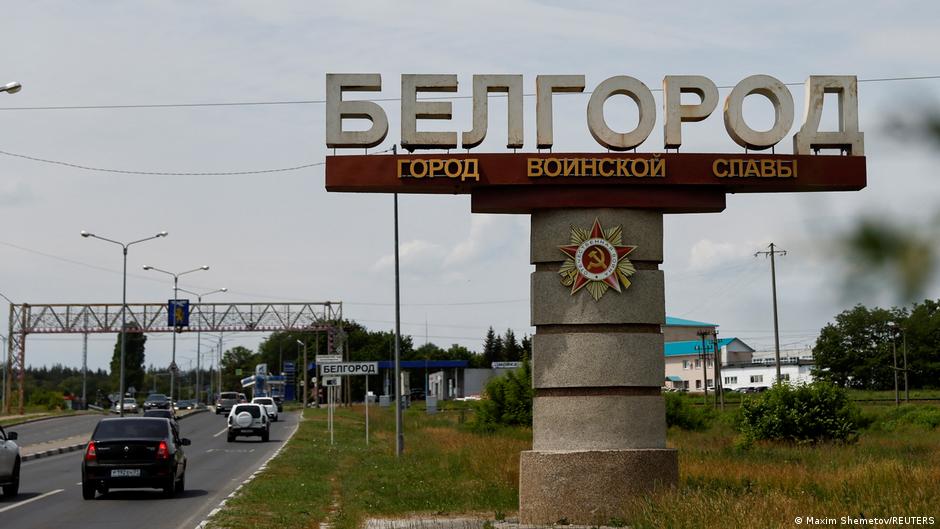
Belgorod, a border region frequently impacted by military tensions, has seen the restoration of mobile internet services and street lighting following months of restrictions imposed as defensive measures. On May 30, acting Governor Aleksandr Shuvaev ordered the resumption of stable mobile internet provision and the reactivation of street lighting in Belgorod city, signaling a cautious easing of measures taken since late 2025.
Context and Rationale Behind the Restrictions
Since October 2025, Belgorod’s public infrastructure has been subject to intermittent shutdowns, including periodic street lighting blackouts. These measures were primarily instituted to reduce electrical load on vulnerable energy networks that faced repeated disruptions from cross-border missile attacks. The city’s mayor, Valentin Demidov, noted that lowering the energy consumption through such blackouts accelerated the restoration of power following shelling episodes.
“Such decisions were part of defensive efforts aimed at reducing risks to the population,” acting Governor Shuvaev remarked, emphasizing the ongoing security considerations that underpin these restrictions.
In addition to lighting blackouts, partial shutdowns of mobile internet services have posed challenges to civil communications and emergency coordination. Former Governor Vyacheslav Gladkov had previously acknowledged these disruptions, stating they were implemented within the framework of enhanced security but regretted the degradation of information flow and public alerting mechanisms.
Security Dynamics and Administrative Response
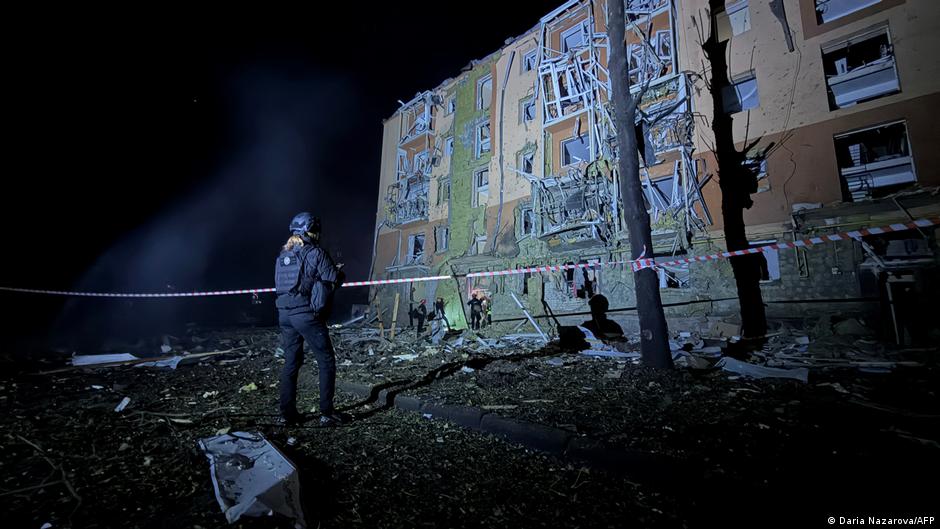
Belgorod Oblast, situated along the Russia-Ukraine border, continues to experience frequent military hostilities. On the night of May 25, the region endured two significant missile bombardments from Ukrainian armed forces. These attacks inflicted damage on energy infrastructure, leading to interruptions in electricity and water supply, and caused casualties and property damage.
Following a thorough operational headquarters review and in response to public demand, the acting governor authorized the restoration of essential urban services within the city limits. However, decisions regarding mobile internet and lighting in other settlements will be delegated to local authorities, who will tailor measures based on real-time security assessments.
Shuvaev explicitly noted the possibility that some restrictions could be reimposed if security threats intensify, reflecting the fragile balance between civilian infrastructure needs and defensive imperatives in this conflict-affected region.
Structural Economic Implications
The intermittent disruption of communications and energy services in Belgorod has broader economic consequences. Reduced street lighting affects urban mobility and safety, potentially deterring commercial activity during evening hours. Likewise, unstable mobile internet hinders business operations, complicates logistics, and limits access to information, which is critical for both private enterprises and public services.
These factors cumulatively undermine economic resilience in a border region already strained by geopolitical instability. The local administration’s cautious restoration of services indicates an attempt to stabilize economic life without compromising security protocols.
Looking ahead, sustained security risks could necessitate a cyclical approach to infrastructure availability, posing challenges for long-term economic planning and investment. The interplay of military pressures and civilian infrastructure management in Belgorod offers a contemporary example of how conflict zones adapt their urban and economic policies amid uncertainty.