US Advances Revival of Iraq-Syria Oil Pipeline to Circumvent Strait of Hormuz
Washington pursues strategic pipeline restoration aiming to reduce Iran’s influence on global energy routes.
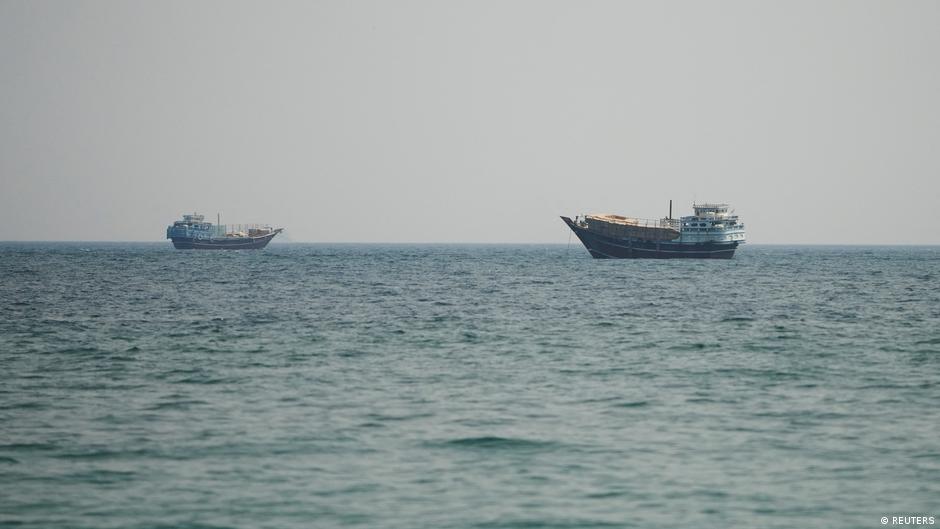
The United States is actively negotiating the restoration of a long-dormant oil pipeline connecting Iraq to Syria’s western coast, signaling a strategic move to bypass the Strait of Hormuz and diminish Iranian leverage over global energy supplies. According to recent disclosures, US Special Envoy Thomas Barrack has engaged with officials from both Iraq and Syria, as well as representatives from major energy companies, including Chevron Corporation, to discuss revitalizing the pipeline infrastructure that has remained inactive for more than two decades.
Strategic and Economic Implications of the Pipeline Revival
The pipeline, originally running from Kirkuk in Iraq to Banias on Syria’s Mediterranean coast, provides a geographically alternative route for oil exports that would circumvent the sensitive and often volatile Strait of Hormuz. This narrow maritime chokepoint is critical for global energy transit and has historically been a focal point of geopolitical tension, especially involving Iran. By developing land-based export routes, the US aims to reduce the global oil market’s vulnerability to disruptions that could arise from conflicts or blockades in the Persian Gulf.
Renewed efforts to rebuild or construct new pipelines come amid rising tensions in the Middle East. The US government recently reinstated its maritime blockade strategy related to the Strait of Hormuz, reflecting concerns over Iran’s regional ambitions and its capacity to influence international energy flows. Nevertheless, the US administration appears to be shifting from direct tariffs, such as the previously announced 20% levy on maritime shipments, toward leveraging economic partnerships with Gulf states to secure trade advantages.
"The revival of oil export infrastructure through stable land corridors represents a long-term investment in regional stability and energy security," a senior US official noted.
There are multiple proposed routes under consideration, but the primary focus remains on reactivating the Kirkuk-Banias pipeline. This corridor not only bypasses the Strait of Hormuz but also enhances Syria’s potential role as an energy export hub. Recent discussions have included global energy giants such as TotalEnergies SE, alongside investment entities like Los Angeles-based TI Capital and Qatar’s UCC Holding, reflecting a broad interest in expanding Syria’s export capacity despite the complex geopolitical environment.
However, the project faces significant challenges. The pipeline route traverses Iraq’s western Anbar province and eastern Syria—regions still plagued by remnants of the Islamic State and ongoing security concerns. Investors must gauge the ability of newly established authorities to maintain stability in the aftermath of Syria’s protracted civil war. The success of this initiative depends not only on physical reconstruction but also on political stabilization and effective governance in these fragile areas.
US President Donald Trump’s recent meeting with Iraqi Prime Minister Ali Al-Zaydi underscored the administration’s commitment to forging substantial new oil partnerships. Announcements on these partnerships are expected imminently, signaling a potential shift in the region’s energy dynamics.
Historically, the Middle East’s energy infrastructure has been susceptible to conflict-induced disruptions. This strategic pivot toward land-based export routes reflects lessons from past events, where reliance on maritime chokepoints has exposed global markets to risk. The US-led pipeline restoration initiative aims to foster resilience in energy supply chains, reduce Iran’s geopolitical leverage, and enhance regional economic integration.