Russian Armed Forces Launch Combined Strike on Izium, Impacting Civil Infrastructure
The strike employed guided aerial bombs and Shahed drones, causing civilian casualties and extensive damage in Kharkiv region.

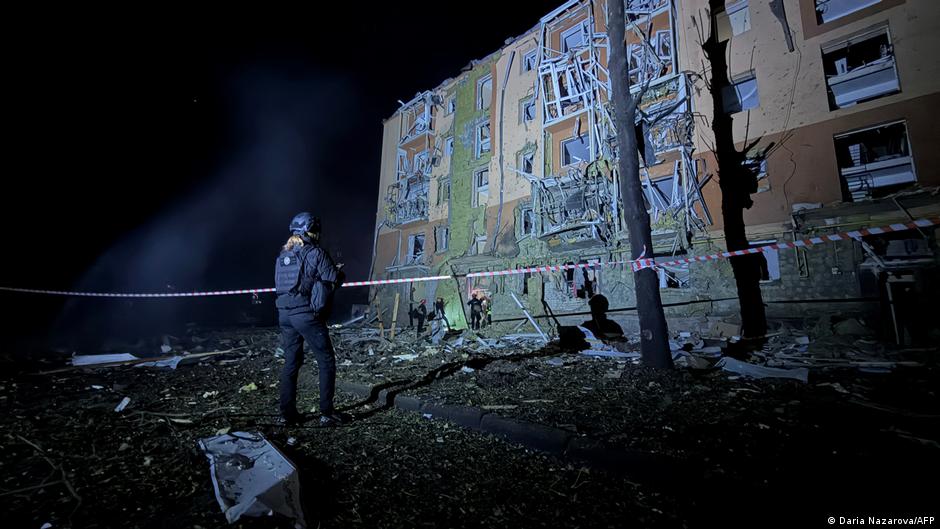
On July 15, the Russian Armed Forces executed a combined aerial strike on the city of Izium in Ukraine's Kharkiv region, utilizing guided bombs and Shahed-type unmanned aerial vehicles (UAVs). Preliminary reports from the Izium city military administration indicate the occurrence of civilian casualties and significant damage to infrastructure.
Strategic and Economic Implications of the Izium Strike
The continued use of advanced precision-guided munitions and UAVs in this region highlights a tactical evolution in the conflict, with broader economic ramifications for the affected areas. Izium, a critical node in the Kharkiv oblast, has repeatedly faced aerial assaults, with the latest inflicting damage on civilian structures, communal property, and agricultural machinery. Such destruction impedes the local economy's functionality, particularly in sectors reliant on agriculture and transport.
"Damage to civilian infrastructure and agricultural equipment not only disrupts daily life but undermines the economic resilience of the region," noted analysts specializing in conflict economics.
The attack triggered several air raid alarms and caused fires, exacerbating the disruption to civilian life. The repeated strikes on Izium reflect a sustained strategic effort to destabilize the area, which has historically served as a logistical hub. Incidents such as the July 5 strike, which resulted in one fatality, multiple injuries, and destruction of a fuel station and vehicles, underscore the persistent nature of these operations.
From a structural economic perspective, the damage to communal enterprises and private property serves to erode the capacity for economic recovery and reconstruction. The destruction of agricultural machinery is particularly consequential, given the region's role in Ukraine's broader agricultural output. This undermines food production and supply chains, with potential ripple effects on national and regional food security.
Historically, prolonged conflicts with sustained attacks on civilian infrastructure have delayed post-conflict economic revival, creating dependencies on external aid and prolonging recovery timelines. The case of Izium exemplifies these challenges, where repeated damage has repeatedly reset reconstruction efforts.
In addition to physical damage, the psychological impact on the local population, coupled with instability in governance and security, further discourages investment and economic activity, deepening socio-economic vulnerabilities.
In summary, the July 15 combined strike on Izium is more than a military maneuver; it represents a deliberate disruption of the regional economy and social fabric, with long-term structural consequences for the Kharkiv oblast and Ukraine's economic stability.