German Foreign Minister Defends International Criminal Court Amid US Opposition
Germany reaffirms support for the ICC as the US launches a campaign accusing the court of threatening American sovereignty.
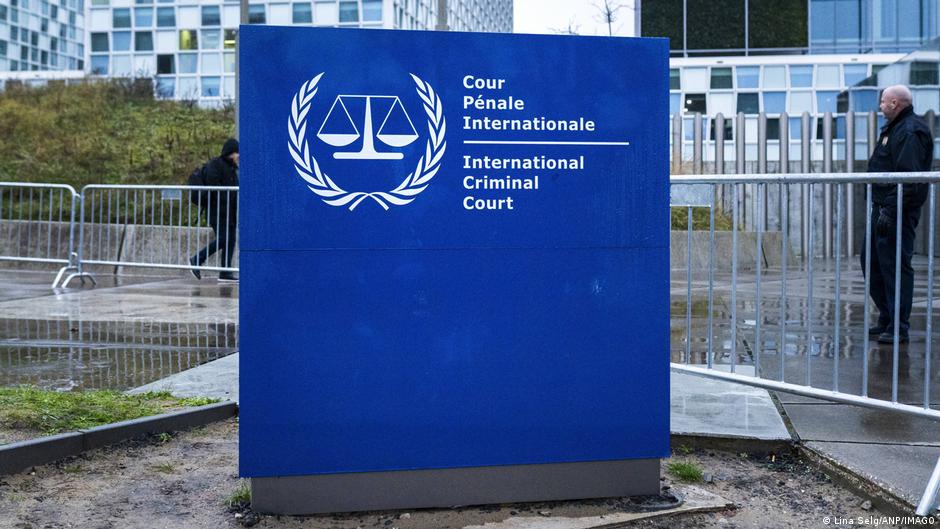
The International Criminal Court (ICC) remains a pivotal institution in upholding global justice and accountability, according to Germany's Foreign Minister Johann Wadephul, who recently spoke out against mounting opposition from the United States. Wadephul's defense of the ICC underscores a broader geopolitical and legal contest over international jurisdiction and sovereignty.
Context and Stakes of the US Campaign Against the ICC
The ICC, headquartered in The Hague, prosecutes grave crimes against humanity such as war crimes, genocide, and crimes of aggression. Despite its significance, the court has faced persistent resistance from the United States, which has never ratified the Rome Statute that established the ICC. The US government alleges that the court threatens its sovereignty by seeking to prosecute American military personnel and officials, particularly for actions taken abroad.
On July 13, the US State Department issued a statement accusing the ICC of creating an "unacceptable threat to US sovereignty." This followed the ICC’s initiation of investigations into alleged war crimes by American military and intelligence personnel. The US claims the court is attempting to position itself "above the nation-state," and has threatened comprehensive measures to undermine the ICC’s ability to operate freely.
"The ICC and its allies are waging war against our country—not with bullets or missiles, but through legal norms, international agreements, and the force of so-called international law," stated US Secretary of State Marco Rubio in a video address.
Washington’s multi-pronged campaign includes diplomatic pressure urging other countries to reject the ICC, calls for non-cooperation with the court’s investigations, visa bans on ICC officials, and sanctions targeting the institution and its staff. These efforts reflect a strategic prioritization of national sovereignty over international judicial mechanisms.
Germany and the European Union’s Support for the ICC
Johann Wadephul’s remarks, published on July 15, emphasize that despite imperfections, the ICC plays an indispensable role in making the world safer and more just. He highlighted the ICC’s achievements in prosecuting heinous crimes such as the recruitment of child soldiers, underscoring that these successes justify defending the institution rather than undermining it.
"Possible shortcomings should not call into question the very existence of this crucial institution and its achievements," Wadephul said, stressing the importance of protecting the ICC as an independent entity. This position aligns with Germany’s broader commitment to an international order based on rules and legal frameworks.
Representatives of the European Commission echoed this stance, dismissing US claims that the ICC threatens national sovereignty. They emphasized that the ICC does not target sovereign states but holds individuals accountable for international crimes, reinforcing the rule of law rather than eroding state authority.
Historical Parallels and Structural Implications
The tension between the United States and the ICC reflects longstanding debates over sovereignty and international legal authority. Historically, major powers have resisted supranational judicial bodies perceived as encroaching on their autonomy. The US opposition echoes similar challenges faced by international courts in balancing national interests with global justice imperatives.
Structurally, this conflict reveals the limitations of international institutions when powerful states opt out or actively oppose them. The ICC’s reliance on state cooperation means US resistance hampers its credibility and enforcement capabilities, particularly in conflicts involving American personnel.
Moreover, the US campaign against the ICC may embolden other states to circumvent international legal norms, potentially weakening global mechanisms for prosecuting war crimes and crimes against humanity. Conversely, defenders of the ICC argue that an independent international legal system is essential for long-term stability and prevention of impunity.
Implications for the Global Legal Order
Germany’s firm support for the ICC signals a commitment to multilateralism and international law that contrasts with the US stance. The ongoing discord poses challenges for the future of global governance, highlighting divergent visions of sovereignty and justice.
The ICC’s struggle exemplifies broader structural economic and geopolitical shifts, where emerging powers and regional blocs may seek to redefine international norms. Germany and the European Union’s backing of the ICC aligns with their interest in sustaining a rules-based order conducive to stable economic relations and conflict resolution.
As the US escalates its campaign, the ICC faces a critical juncture: maintaining legitimacy and operational capacity amid great power opposition. The outcome will influence not only international criminal justice but also the architecture of global economic and political cooperation in the 21st century.