Bolivia and US Renew Drug Control Cooperation After 18 Years Amid Rising Cocaine Production
For the first time since 2008, Bolivia and the United States have signed an agreement to jointly combat drug trafficking despite lacking formal diplomatic ties.
After nearly two decades of strained relations and diplomatic disconnection, Bolivia and the United States have taken a significant step by signing a new bilateral agreement aimed at combating drug trafficking and transnational organized crime. This marks the first formal cooperation of this kind since 2008, when Bolivia severed diplomatic ties with the U.S. and expelled DEA agents from its territory.
Historical Context and Diplomatic Breakdown
In 2008, then Bolivian President Evo Morales expelled the U.S. Drug Enforcement Administration (DEA) following accusations of interference in Bolivia’s internal affairs. This move culminated in the severance of formal diplomatic relations between the two countries, reflecting deep mistrust amidst concerns over sovereignty and foreign influence.
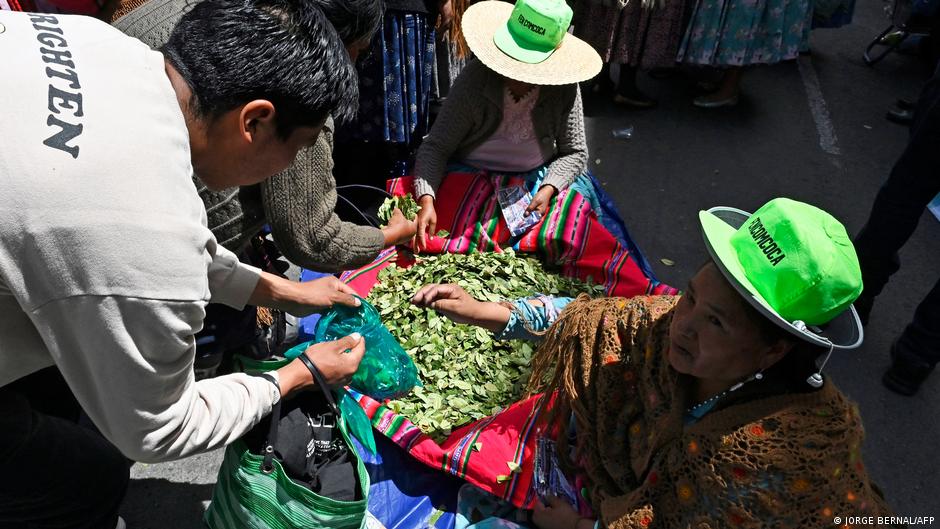
Since then, Bolivia has remained a major player in the global cocaine supply chain, ranking third worldwide in cocaine production. The country's traditional practice of coca leaf chewing, culturally significant and legally protected, complicates international efforts to address drug trafficking without impacting indigenous customs.
The New Agreement and Its Economic Implications
The recently signed document, formally titled the "Agreement to Strengthen Bilateral Cooperation in the Fight Against Illicit Drug Trafficking and Transnational Organized Crime," commits the U.S. to providing up to $20 million for Bolivian law enforcement training and equipment. Bolivian Foreign Minister Fernando Aramayo signed on behalf of Bolivia, signaling a cautious but meaningful thaw in relations focused on a shared priority.
"This agreement represents a pragmatic recognition that combating narcotics production and trafficking requires cooperation beyond diplomatic disputes," analysts observe.
Despite this progress, full normalization has not yet been restored. The DEA’s office in La Paz remains closed, and diplomatic missions have not been reestablished, underscoring enduring mutual skepticism. Yet, this development may indicate a strategic recalibration influenced by the escalating economic and social costs of drug trafficking on both nations.
Structural Economic Consequences and Future Outlook
Bolivia’s economy is heavily impacted by the coca economy, which provides livelihoods in rural areas often excluded from mainstream economic development. The illicit drug market’s profitability creates incentives that can distort traditional agriculture and impede broader economic diversification.
The injection of U.S. funds for law enforcement training and equipment could strengthen Bolivia’s capacity to dismantle trafficking networks, potentially reducing cocaine output. However, without complementary economic policies addressing rural poverty and offering viable alternatives to coca cultivation, such efforts may face limited success.
Furthermore, this renewed cooperation highlights broader geopolitical shifts. It suggests a pragmatic approach by Bolivia, balancing sovereignty and international pressure, while the U.S. seeks to curb drug flows impacting domestic and regional stability.
Overall, this renewed bilateral collaboration may serve as a precedent for addressing complex transnational issues where economic, cultural, and political factors intertwine deeply. The success of this agreement will likely depend on sustained commitment to structural economic reforms alongside enhanced law enforcement cooperation.