NATO Considers Expanding Tactical Nuclear Deterrence in Europe Amid Rising Security Concerns
NATO allies deliberate deployment of additional tactical nuclear weapons in Finland, Poland, and Lithuania to reinforce deterrence against Russian threats.
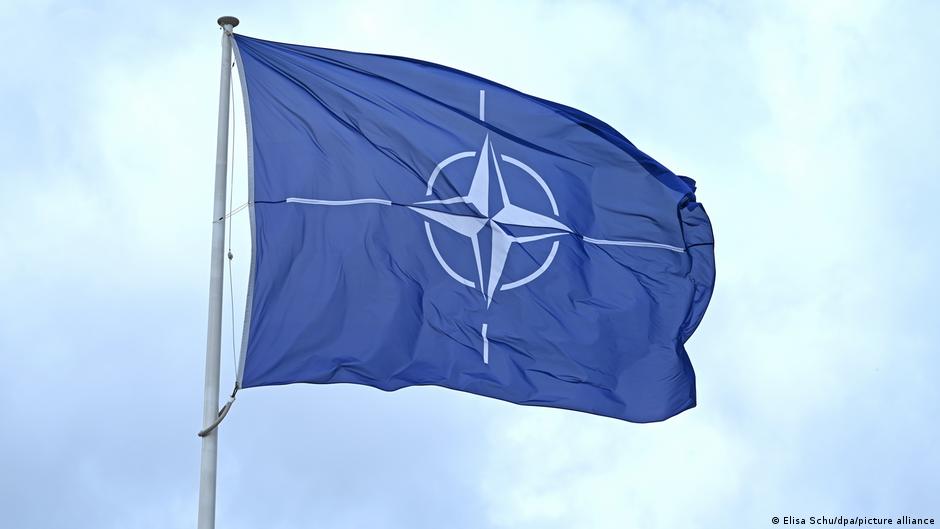
Amid escalating tensions and security concerns in Europe, NATO is exploring the expansion of its tactical nuclear deterrence capabilities by potentially deploying additional nuclear weapons in Finland, Poland, and Lithuania. This development reflects broader strategic adjustments within the alliance in response to perceived Russian threats.
Background and Strategic Context
Since the end of the Cold War, NATO’s nuclear posture in Europe has undergone significant changes, including reductions in deployed nuclear arsenals. Currently, approximately 100 American B61-12 nuclear bombs are stationed at six airbases across five NATO countries: Germany, Belgium, Italy, the Netherlands, and Turkey, as part of NATO's Nuclear Sharing program.
This program allows allied countries to host U.S. nuclear weapons, which can be delivered by dual-capable aircraft in the event of conflict. The weapons involved are tactical nuclear arms, designed primarily for battlefield use against military targets such as troops, airfields, ports, and command centers. Unlike strategic nuclear weapons, which target broader, high-value strategic assets, tactical nuclear weapons are lower-yield and intended for more localized military objectives.
“We must ensure that no one can strike us with nuclear weapons without facing our retaliatory response,” stated NATO Secretary General Mark Rutte, underscoring the alliance’s commitment to nuclear deterrence amid uncertain geopolitical dynamics.
Recent Developments and Policy Changes
In recent months, NATO members have signaled willingness to strengthen nuclear deterrence mechanisms. Finland’s recent legislative amendments, which came into effect on July 1, lifted a long-standing ban on the import and deployment of nuclear weapons on its territory. This legal change aligns with Finland’s recent accession to NATO and reflects new strategic realities given Russia’s military actions in Ukraine.
Similarly, Lithuania’s President Gitanas Nausėda expressed openness to integrating Vilnius into NATO’s nuclear deterrence framework, though Lithuania currently has no plans to host nuclear weapons during peacetime. Poland is also under consideration for hosting additional tactical nuclear arms due to its geographic proximity to Russia and its strategic importance within NATO.
Structural and Economic Implications
The potential expansion of nuclear weapons deployment in Eastern Europe carries significant structural consequences for European security architecture. It marks a shift from post-Cold War nuclear arms reduction trends back towards increased nuclear readiness and presence, echoing historical patterns of deterrence during geopolitical crises.
Economically, this expansion may influence defense spending priorities among NATO member states, necessitating investments in infrastructure modernization to accommodate tactical nuclear weapons and their delivery systems, such as advanced fighter jets and cruise missiles. This could also spur wider economic impacts within host countries through increased military activity and associated support industries.
Furthermore, the deployment raises complex questions about arms control regimes and strategic stability in Europe. As NATO reinforces its deterrence posture, Russia is likely to respond with its own military adjustments, potentially igniting new security dilemmas and fueling an arms race dynamic reminiscent of earlier Cold War periods.
Historical Parallels and Future Outlook
The current NATO deliberations bear resemblance to Cold War episodes when nuclear sharing and forward deployment of tactical nuclear weapons were central to alliance deterrence strategies. The revival of these policies is a response to shifting geopolitical fault lines and deteriorating relations with Russia, especially following the 2022 invasion of Ukraine.
Looking ahead, NATO’s decisions on nuclear deployments will play a critical role in shaping European security and stability. Balancing deterrence, reassurance of allies, and the risks of escalation will require nuanced policy judgments and sustained diplomatic engagement.