Russian Ballistic Missile Strikes on Kyiv Result in Civilian Casualties and Urban Damage
At least nine civilians killed and over twenty injured in Russian ballistic missile attacks on Kyiv, highlighting escalating conflict impact on Ukraine's capital.
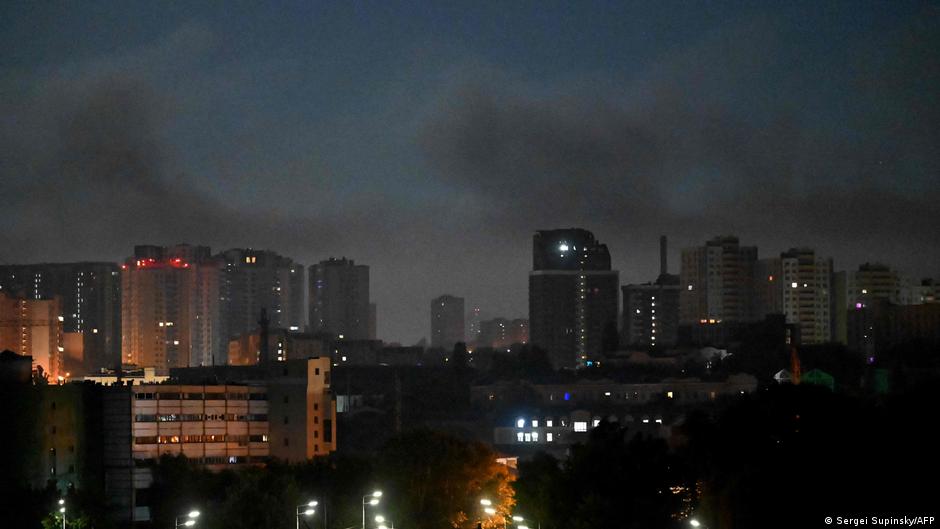
In the early hours of August 1, Kyiv was subjected to a series of ballistic missile strikes launched by Russian military forces. The attacks resulted in at least nine confirmed civilian deaths and over twenty injuries, including minors, underscoring the intensification of hostilities affecting Ukraine’s capital city.
Human and Material Impact of the Missile Strikes
The missile barrage triggered explosions across five districts in Kyiv, causing significant destruction to residential and administrative infrastructure. Vitaliy Klitschko, the Mayor of Kyiv, urged residents to seek shelter amid the strikes, highlighting the city's immediate vulnerability.
According to Kyiv's Military City Administration, two fatalities and eight injuries—including two children—were reported in the Solomianskyi district. The area saw partial collapse of a five-story residential building and fires that engulfed parked vehicles. Emergency responders evacuated 35 residents from upper floors and extinguished fires resulting from the attacks.
The Darnytskyi district experienced even more severe consequences, with seven deaths and fourteen injuries, two of whom were children. Damage included fires and structural harm to an administrative building and other non-residential properties. Firefighters successfully contained the blazes, although the human toll was significant.
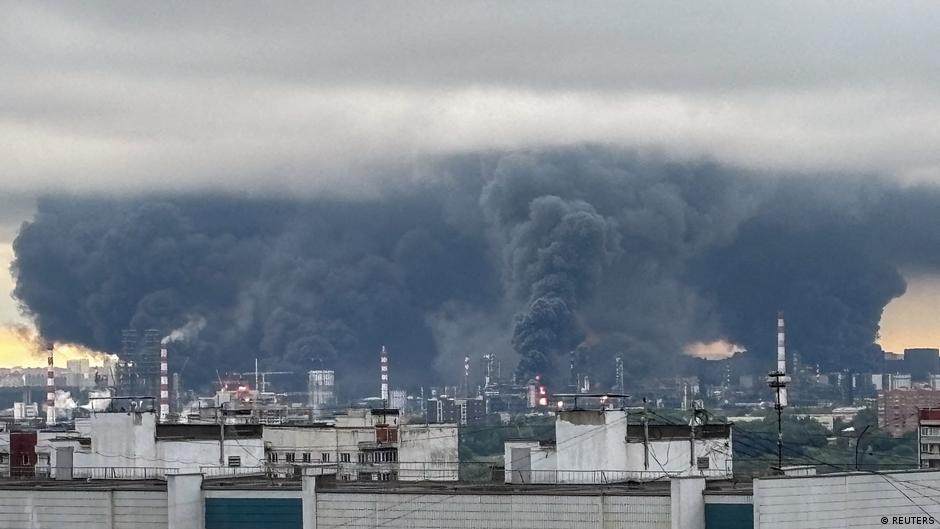
Further afield, in the Kyiv oblast, a fire broke out at an industrial facility due to the missile strikes, injuring two individuals. The regional military administration confirmed these developments, highlighting the broader regional impact beyond the city itself.
Economic and Structural Consequences
"The missile attacks on Kyiv expose not only immediate human suffering but also the deepening strain on Ukraine's urban infrastructure and economy," experts note.
This escalation in missile strikes on civilian infrastructure has profound economic implications. The destruction of residential buildings and administrative centers disrupts daily life and local governance, while damage to industrial facilities threatens economic productivity and employment.
Historically, urban centers targeted in armed conflicts endure long-term recovery challenges, facing population displacement, investment flight, and degradation of public services. Kyiv’s experience reflects these patterns, raising concerns about the sustainability of urban life under continuous military pressure.
Moreover, the attacks compound the strain on Ukraine's healthcare systems, as medical facilities must treat a growing number of civilians affected by the conflict. The inclusion of children among casualties accentuates the social repercussions that may have generational consequences.
In the broader context, these missile strikes exemplify the tactical use of ballistic weaponry to undermine civilian morale and destabilize national centers, a strategy with historical precedents but devastating contemporary effects given Kyiv’s role as Ukraine’s political and economic hub.
As the conflict persists, the resilience of Kyiv’s infrastructure and population will be critical in shaping Ukraine’s capacity to withstand and recover from such assaults. The economic aftermath will demand substantial reconstruction investment and policy interventions aimed at urban resilience and civilian protection.