Bulgaria to Veto EU’s New Russia Sanctions Citing Economic Risks and Political Concerns
Bulgarian PM signals veto on expanded EU sanctions against Russia, highlighting potential harm to domestic economy and opposition to measures targeting Patriarch Kirill.
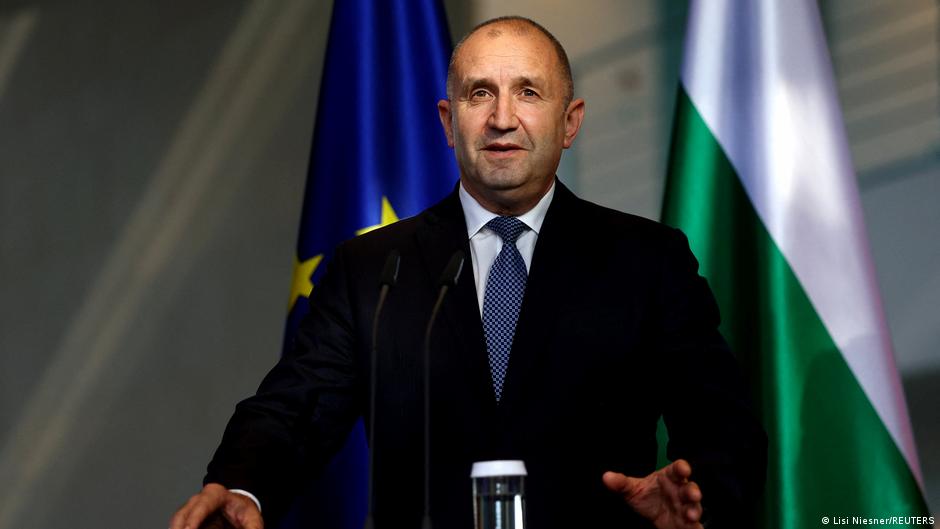
On June 18, Bulgarian Prime Minister Rumen Radev announced his government’s intent to veto the European Union’s new package of sanctions against Russia. The decision marks a significant deviation within the EU consensus, driven by concerns over the potential economic fallout for Bulgaria and objections to the inclusion of religious figures in the sanctions list.
Economic and Political Dimensions Behind Bulgaria’s Veto
Radev emphasized the risk the sanctions pose to the Bulgarian economy, pointing specifically to the energy sector. "There is a significant risk to the operations of Lukoil," Radev stated, advocating for the exclusion of the company from the sanction list. Lukoil owns the sole oil refinery in Burgas, Bulgaria, and is a major fuel retailer in the country. Any restriction on Lukoil’s activities could disrupt fuel supplies and increase energy prices, aggravating Bulgaria’s economic vulnerabilities.
Beyond energy, the Prime Minister raised concerns about supply chain disruptions affecting vital infrastructure, such as spare parts for Sofia’s metro system, and essential agricultural inputs like fertilizers. These apprehensions underscore the broader economic entanglements Bulgaria maintains with Russia, reflecting a structural dependency uncommon in many Western European economies.
"How have these sanctions so far stopped the war? And how have they contributed to peace?" Radev questioned, signaling broader doubts about the efficacy of sanctions as a foreign policy tool.
Radev’s stance also reflects political objections to sanctioning Patriarch Kirill, head of the Russian Orthodox Church, whom he views as a religious rather than political figure. This element introduces a sensitive cultural and diplomatic dimension to Bulgaria’s position, given the shared Orthodox Christian heritage and historical ties between Bulgaria and Russia.
Contextualizing Bulgaria’s Position Within the EU and Historical Parallels
The EU expanded sanctions on June 15, adding 34 individuals and 47 entities, including those linked to Russia’s military-industrial complex and oil export operations, particularly those circumventing restrictions through "shadow fleets." These measures target a broad network of companies across Russia, Liberia, Turkey, UAE, Azerbaijan, and Hong Kong, aiming to exert pressure on Moscow to cease hostilities in Ukraine.
Bulgaria’s veto threatens to slow or block the full implementation of this coordinated EU effort, highlighting the challenges of maintaining unity in a 27-member bloc with diverse economic interests and historical ties. Bulgaria’s position draws parallels to past instances when individual member states leveraged veto power to protect national economic interests, reflecting ongoing tensions between solidarity in foreign policy and domestic economic imperatives.
Moreover, the inclusion of media and religious figures in the sanctions list—such as Anatoly Kuzichev from the Russian state broadcaster and Metropolitan Tikhon of Crimea—raises questions about the scope and rationale of sanctions. This expansion into the cultural and religious spheres may complicate diplomatic relations and deepen divisions within the EU about how far sanctions should extend beyond purely economic or military targets.
Despite the veto threat, Radev pledged Bulgaria’s support for Ukraine’s EU accession negotiations, signaling a nuanced approach that balances economic caution with geopolitical alignment.
Structural Economic Consequences for Bulgaria and the EU
Bulgaria’s dependence on Russian energy supplies and the presence of Russian-linked companies like Lukoil demonstrate structural vulnerabilities that sanctions risk exacerbating. Disruptions in energy supply chains could have cascading effects on inflation, industrial output, and public welfare within Bulgaria. This illustrates the broader challenge facing the EU in sanctioning Russia: the economic interdependencies that complicate punitive measures and require careful calibration to avoid unintended damage to member states’ economies.
Furthermore, Bulgaria’s stance may encourage other member states with similar dependencies to question or resist future EU sanctions initiatives, potentially undermining the bloc’s strategic coherence. The situation underscores the importance of developing alternative energy sources, diversifying supply chains, and fostering greater economic resilience within the EU to reduce vulnerabilities to geopolitical shocks.
As the EU navigates these internal divisions, the effectiveness and sustainability of its sanctions policy will depend on balancing punitive objectives with maintaining unity and economic stability among its members.