Ukraine’s NATO Membership Prospects Dim as Kyiv Eyes Emerging Security Alliances
Former Ukrainian General Valeriy Zaluzhnyi asserts NATO doctrines mismatch Ukraine’s military development, advocating new defense coalitions.
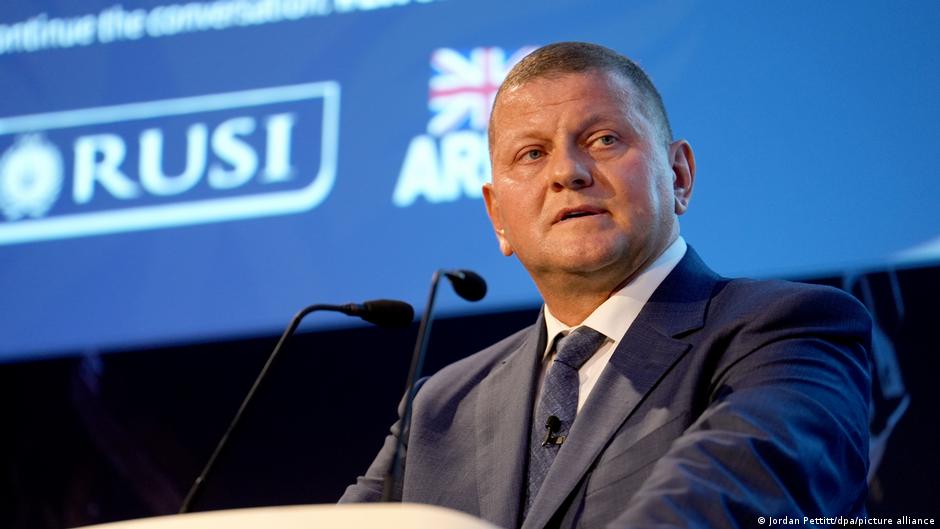
Ukraine’s aspirations to join NATO face significant structural obstacles, according to former Commander-in-Chief of the Ukrainian Armed Forces and current ambassador to the UK, General Valeriy Zaluzhnyi. Speaking at a recent assembly of Ukrainian ambassadors in Kyiv, Zaluzhnyi expressed skepticism about NATO membership, emphasizing that Ukraine’s military capabilities and doctrine are incompatible with those of the alliance.
Structural Misalignment with NATO Doctrines
"I have known NATO well, having spent over a decade working to bring our armed forces up to NATO standards," Zaluzhnyi said. "Every year, we hear promises that Ukraine will soon join NATO. Unfortunately, that will never happen." He attributes this to a fundamental mismatch: the Ukrainian Armed Forces (UAF) are currently unable to meet NATO’s operational and doctrinal requirements, which he describes as still grounded in Second World War paradigms.
Zaluzhnyi further predicts that NATO's internal structure and doctrines will remain largely unchanged in the near future, making it difficult for Ukraine to align fully. He estimates that it could take at least another 12 years for Ukraine to reach even half the military capability level of the Russian Federation, a prerequisite for NATO accession.
"It is impossible to join with the current level of development of our armed forces to an organization guided by doctrines from the Second World War," Zaluzhnyi remarked.
This assessment signals deep-rooted challenges in integrating Ukraine into existing Euro-Atlantic security frameworks, highlighting the slow pace of military reforms and the persistence of legacy doctrines within NATO itself.
Seeking Alternatives: Emerging Defense Coalitions
Despite ruling out NATO membership in the foreseeable future, Zaluzhnyi acknowledges Ukraine’s continued need for NATO technologies, particularly advanced missile defense systems like the American Patriot batteries. With ongoing Russian missile attacks intensifying over the fifth year of conflict, such technologies remain crucial for Ukraine’s defense.
As an alternative to NATO, Zaluzhnyi advocates for Ukraine’s integration into newly forming defense alliances. He specifically pointed to the Joint Expeditionary Force (JEF), a security coalition established by ten Northern European countries, including the United Kingdom, Denmark, Finland, and the Baltic states. The JEF focuses on regional security in Northern Europe, the Baltic Sea, and the Arctic, and Ukraine was granted an enhanced partner status in December 2025.
However, Zaluzhnyi expressed concern that Ukraine has yet to fully engage with the JEF and criticized the coalition’s command structures as underdeveloped and insufficiently robust to meet Ukraine’s needs. Notably, the JEF currently lacks a collective defense obligation akin to NATO’s Article 5, limiting the security guarantees it can offer Kyiv.
"Ukraine will be attaching itself to blocks and alliances that are emerging. Most likely, it will be a European military-security bloc," Zaluzhnyi stated. This reflects a pragmatic shift in Kyiv’s strategic calculus toward flexible multilateral arrangements better suited to its immediate defense requirements and political realities.
Economic and Strategic Implications
Zaluzhnyi’s candid assessment underscores broader structural economic and military challenges facing Ukraine as it seeks closer integration with Western security architectures. The protracted timeline for meeting NATO standards signifies significant investment and modernization needs, impacting defense budgets, industrial capacity, and foreign military assistance programs.
Moreover, the pivot toward alternative alliances like the JEF reveals a multifaceted approach to security that may reshape regional defense dynamics in Europe. These emerging coalitions, while less formalized than NATO, could offer Ukraine more immediate practical support and foster interoperability with neighboring states sharing common security concerns, especially regarding Russian aggression.
Ukraine’s experience also highlights a historical parallel wherein states on the periphery of major military alliances must often navigate complex transitional periods, balancing aspirations with realistic assessments of institutional thresholds and geopolitical constraints.
In conclusion, Zaluzhnyi’s remarks illuminate the structural economic and military hurdles inherent in Ukraine’s Euro-Atlantic integration ambitions. The evolving landscape of European security alliances may prompt Kyiv to diversify its partnerships, focusing on pragmatic cooperation frameworks that align more closely with its current capabilities and regional realities.