Founder of Gulagu.net Announces Project Freeze Amid Global Human Rights Crisis
Vladimir Osechkin cites international legal setbacks and increased repression in Russia as reasons for halting the prisoner aid initiative.
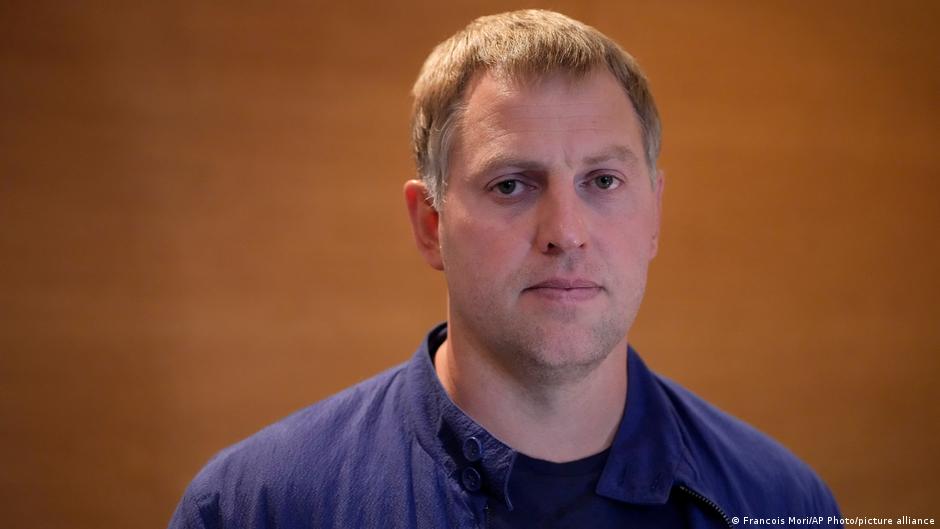
Vladimir Osechkin, the founder of Gulagu.net, a project dedicated to supporting prisoners in Russian penal colonies and prisons, has announced the suspension of the initiative. The decision reflects his assessment of a deepening global crisis in human rights and international law, exacerbated by escalating violence, repression, and political pressures.
Context and Causes Behind the Suspension
In an extensive interview, Osechkin explained that he and his colleagues, as well as all those opposing torture, violence, and war, find themselves amid a “global crisis.” He lamented widespread silence among activists and international actors, which he believes undermines both their mission and broader global stability.
"International law is in crisis, human rights have been relegated to the sidelines. Headlines focus on billionaires and celebrities while daily deaths have become normalized. In this situation, we have lost our footing," Osechkin stated.
Osechkin’s remarks highlight a disheartening environment where urgent human rights violations receive inadequate attention. Despite Gulagu.net's efforts to expose systemic abuses, including torture and mistreatment of prisoners, the project has not received recognition or awards from human rights organizations. Osechkin criticized the tendency of officials to engage with polished opposition figures presented in favorable conditions while ignoring the harsher realities faced by many detainees.
Drawing from personal experience, Osechkin recounted his own imprisonment from 2007 to 2010 during investigations linked to his activism. He described the brutal conditions that left him physically damaged and emphasized continuing threats to his safety even while living in exile.
Security Threats and Political Repression
Living in France since 2015, Osechkin has become a primary target of Russian intelligence operations in Europe. He revealed that several agents were arrested in recent years for plotting to assassinate him. His family and team members remain under police protection due to ongoing risks.
He asserted that his documentation of war crimes and assistance in extracting key witnesses from the Russian Ministry of Defense and prison systems has made him a significant concern for the Kremlin’s security apparatus.
Osechkin also foresees a renewed mobilization in Russia, likely to be implemented in the fall, supported by new laws granting authorities sweeping powers such as annulling passports, blocking driver’s licenses, and seizing assets instantly. Concurrently, the tightening of Western borders and restricted visa access amplifies the challenges faced by activists and dissidents.
Wider Structural Implications
The suspension of Gulagu.net underscores broader structural and geopolitical shifts affecting human rights advocacy. The erosion of international legal frameworks and the politicization of humanitarian norms reflect a troubling trend where authoritarian retrenchment coincides with diminished global solidarity.
Osechkin's case exemplifies how dissent is increasingly criminalized through legal mechanisms—ranging from charges of fraud to accusations of spreading "fake news" about the military. Such measures not only undermine civil society but also contribute to a chilling effect that hampers information flow and accountability.
Moreover, the evolving dynamics between Russia and Western countries—marked by sealed borders and mounting security concerns—place additional constraints on exiled activists and their networks. These changes hinder the capacity to expose abuses and support victims within repressive regimes.
As Osechkin steps back from active operations, the human rights community faces pressing questions about resilience, strategic recalibration, and the future of advocacy under intensified authoritarianism and global political fragmentation.