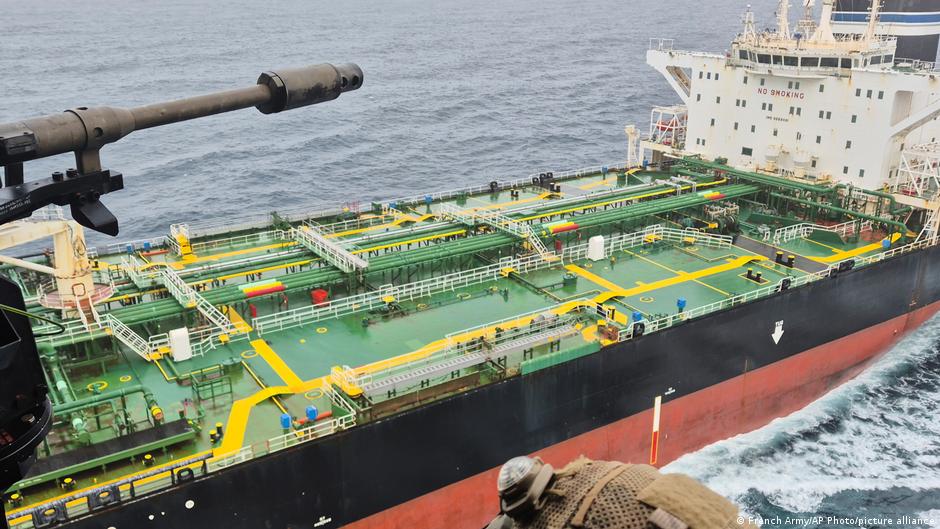
Russian Diesel Cargoes Reverse Course, Testing Trump’s Fuel Strategy
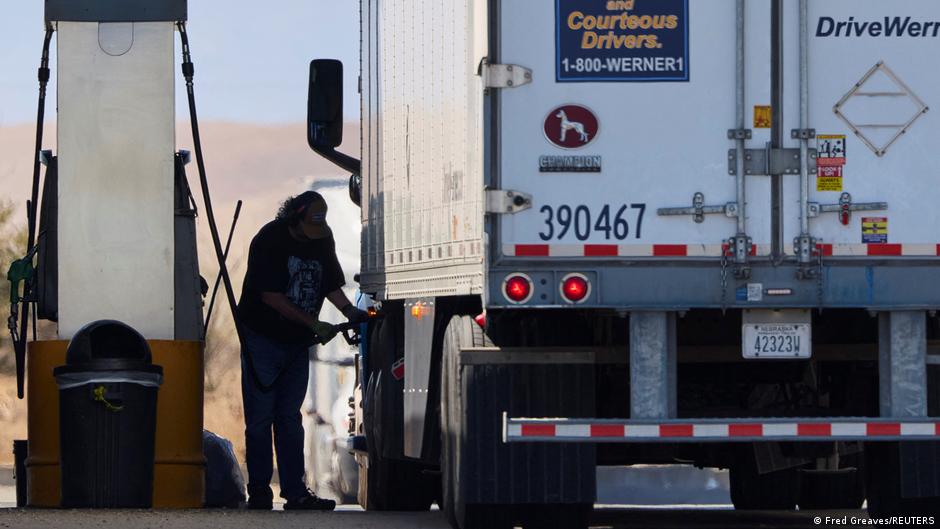
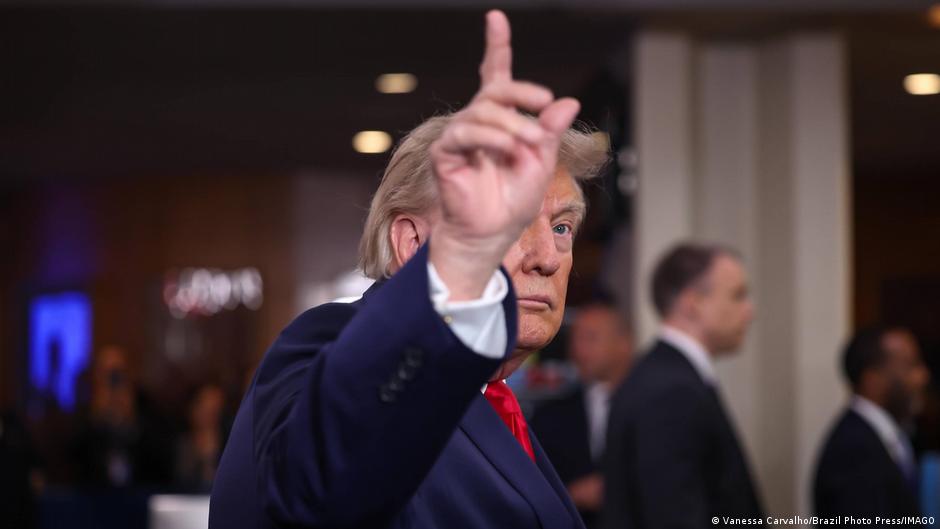
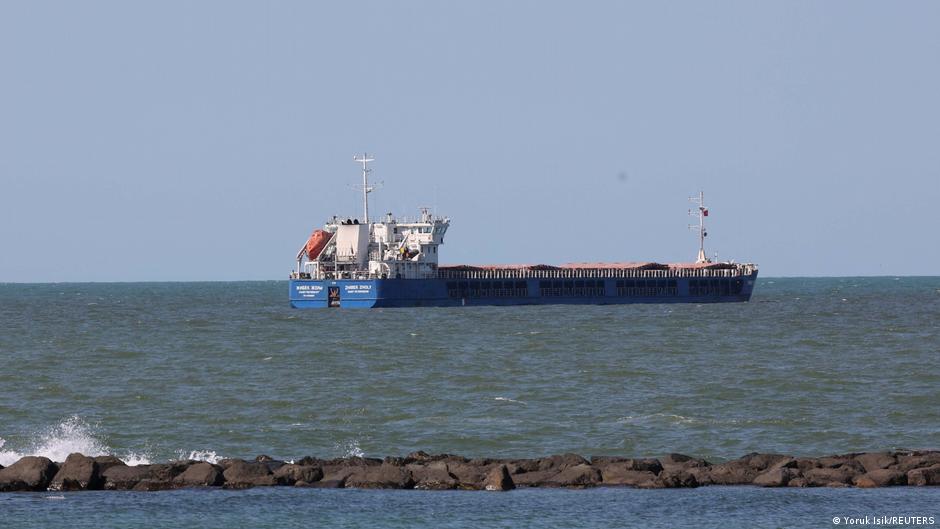
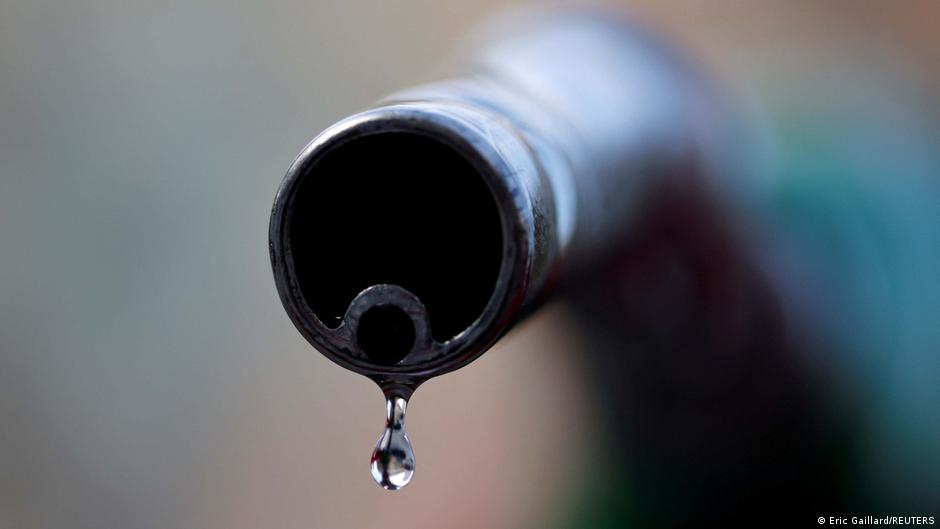
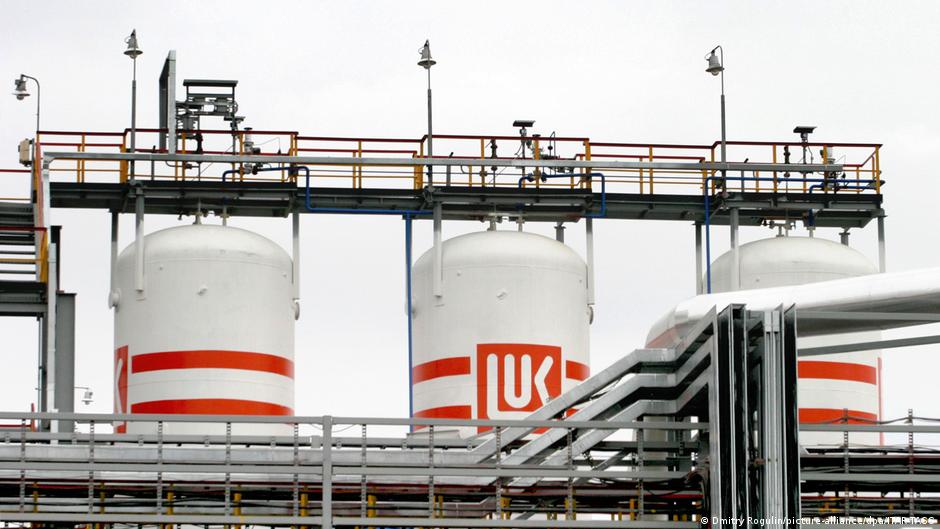
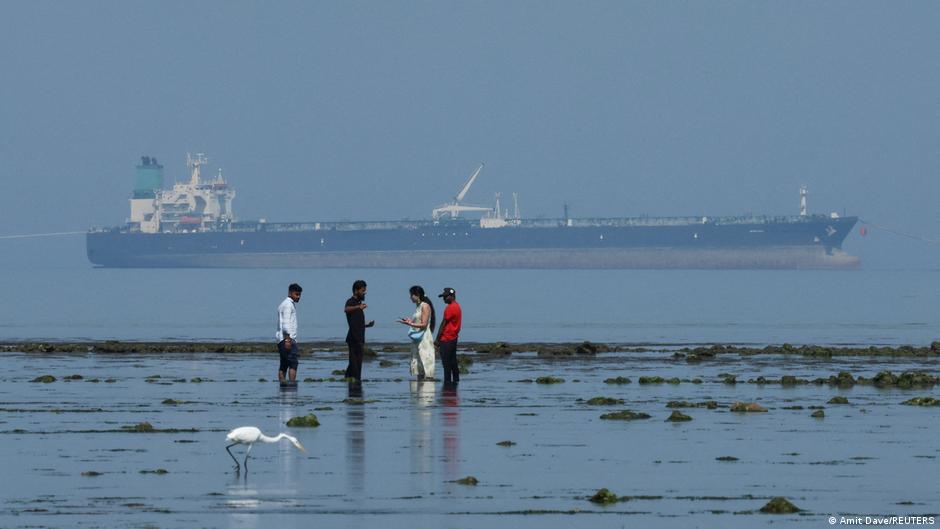
Two Russian fuel tankers have abandoned US-bound routes as sanctions and buyer caution undermine Trump’s effort to reduce soaring diesel prices.

Two Russian fuel tankers have abandoned US-bound routes as sanctions and buyer caution undermine Trump’s effort to reduce soaring diesel prices.

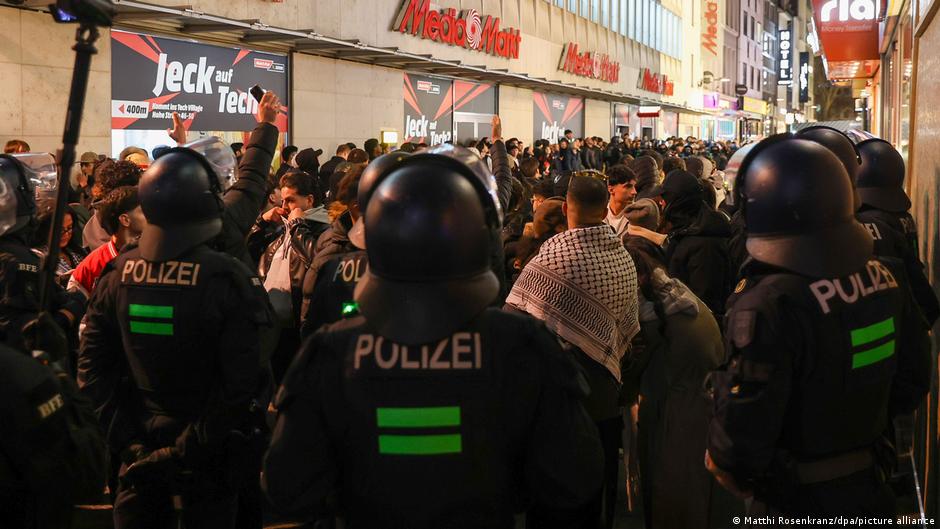
Youth protests across Germany turned violent, exposing deeper disputes over living costs, social spending, climate policy and the distribution of public resources.

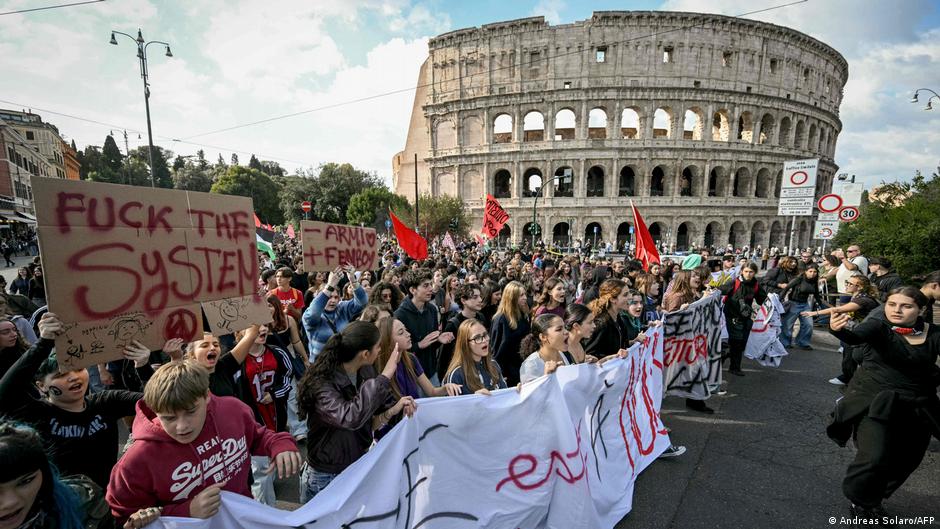
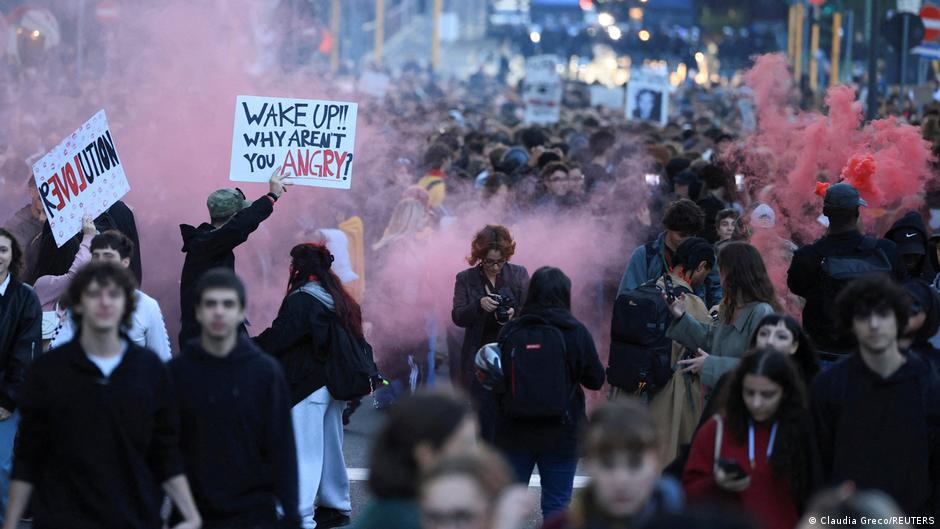
Italy’s mass protests over rents, fuel and defence spending highlight a widening European struggle over household costs and scarce public resources.

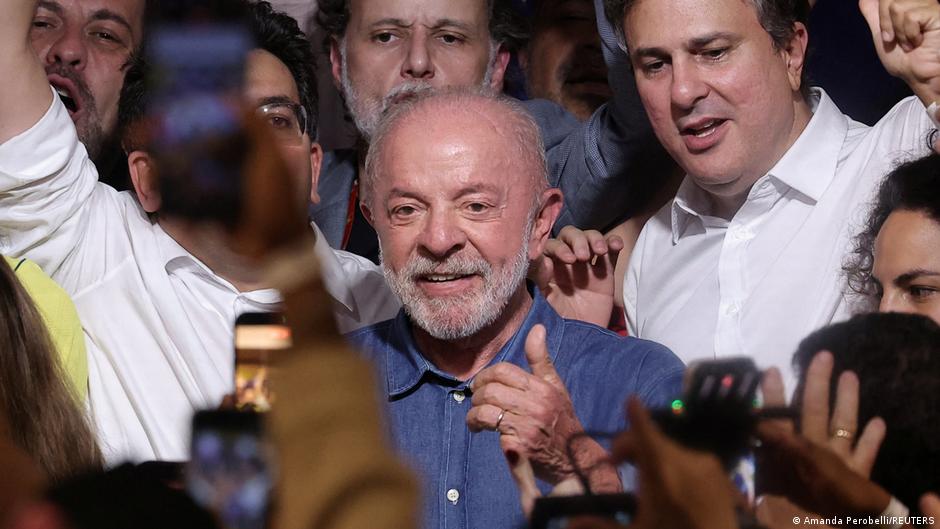
Lula won Brazil’s runoff with 51.8%, but Flávio Bolsonaro’s annulment demand raises fresh institutional and economic uncertainty.

Protests across Italy link household price pressures with opposition to military spending and the Meloni government, raising economic and political risks.

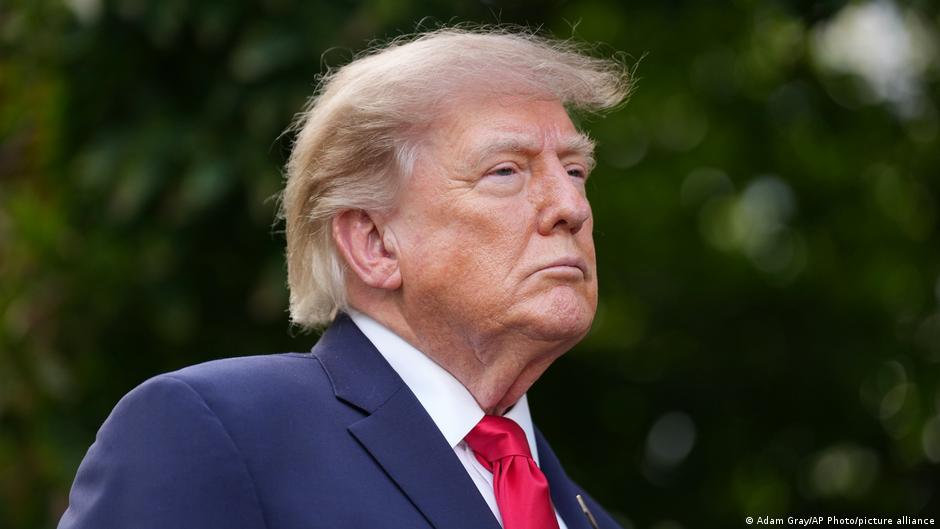
A bipartisan group of U.S. senators says Trump’s Russian diesel deal would aid Moscow while offering little relief to American fuel consumers.

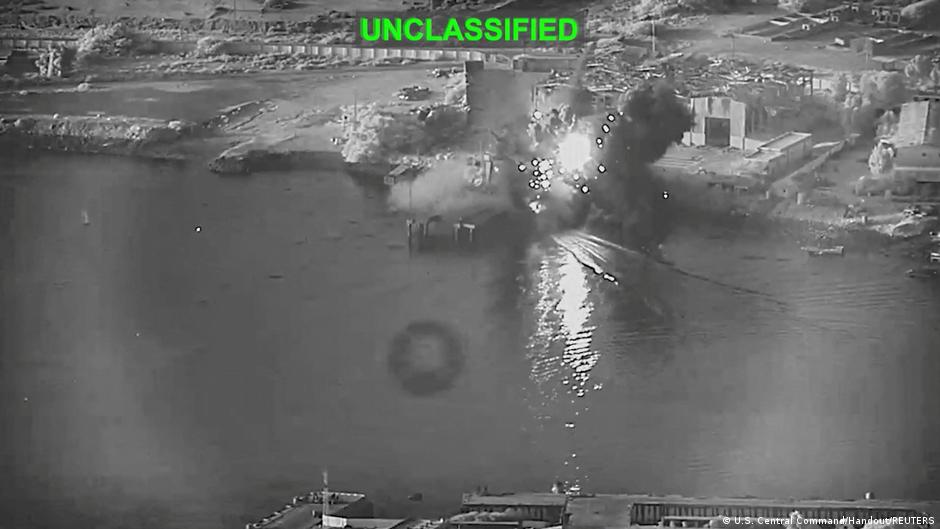
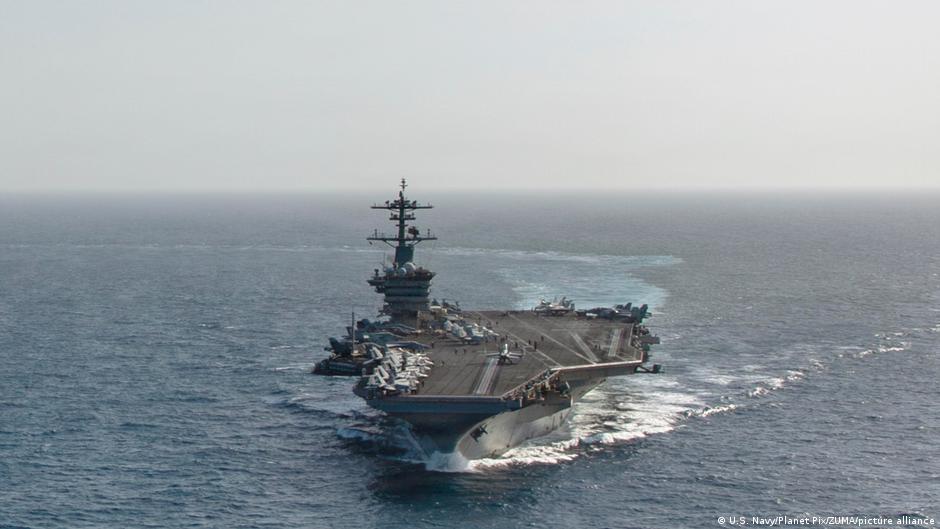
A U.S. strike disabled a Panama-flagged cargo ship near Iran, deepening Gulf trade risks as tanker attacks and fuel prices add economic pressure.

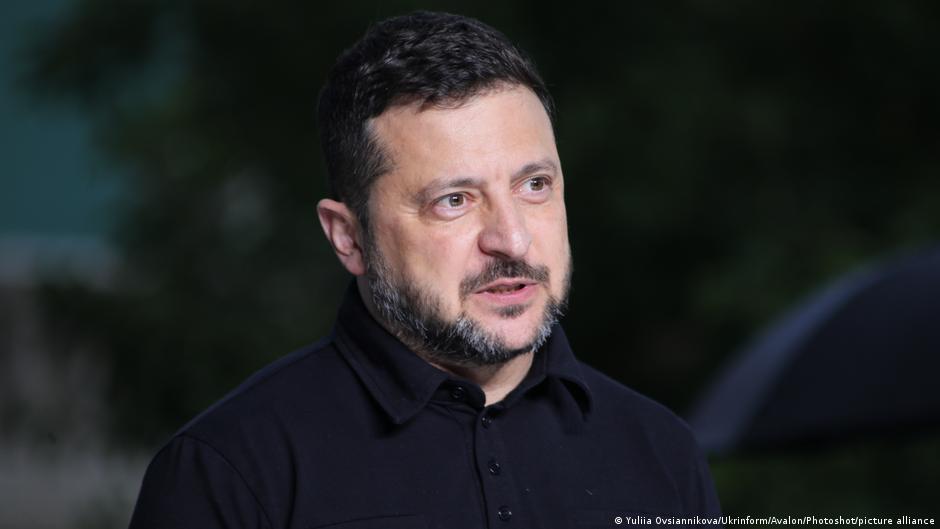
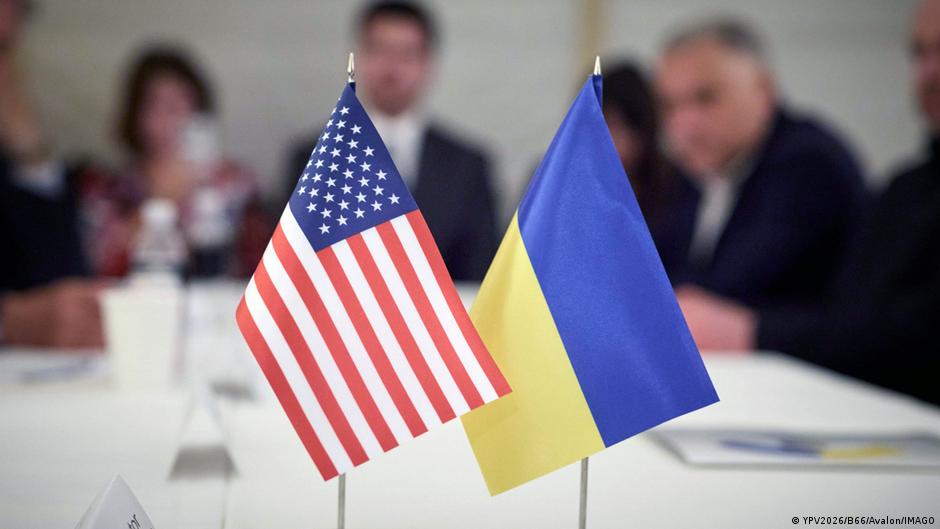
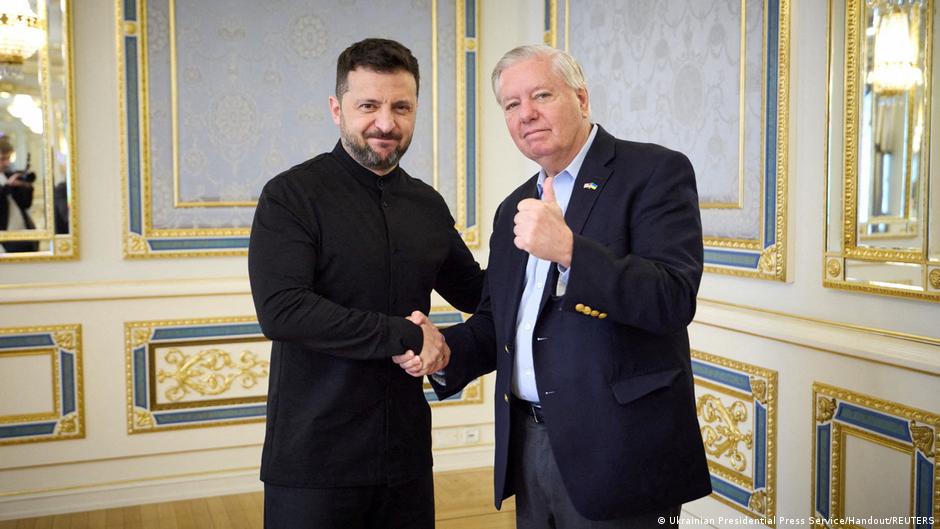
Zelensky warned that a U.S.-Russia diesel deal could strengthen Moscow’s war economy unless tied to clear de-escalation commitments.

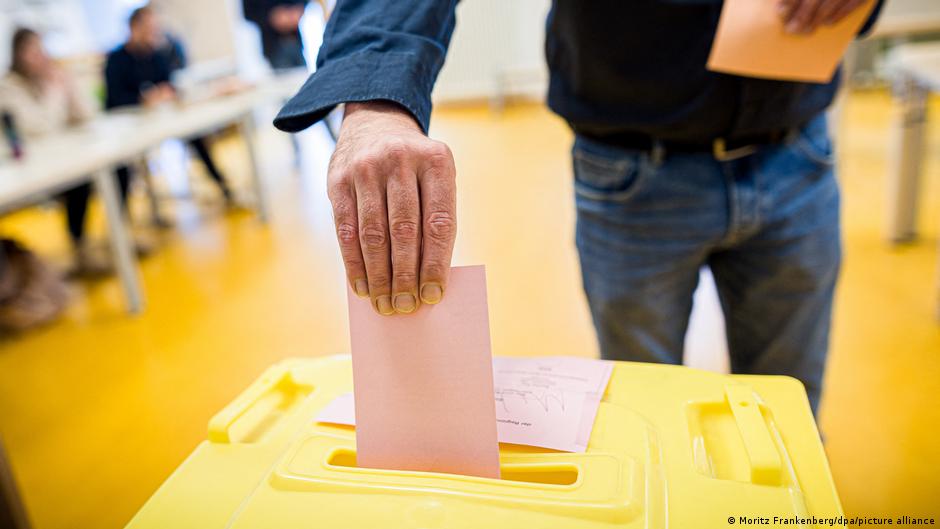
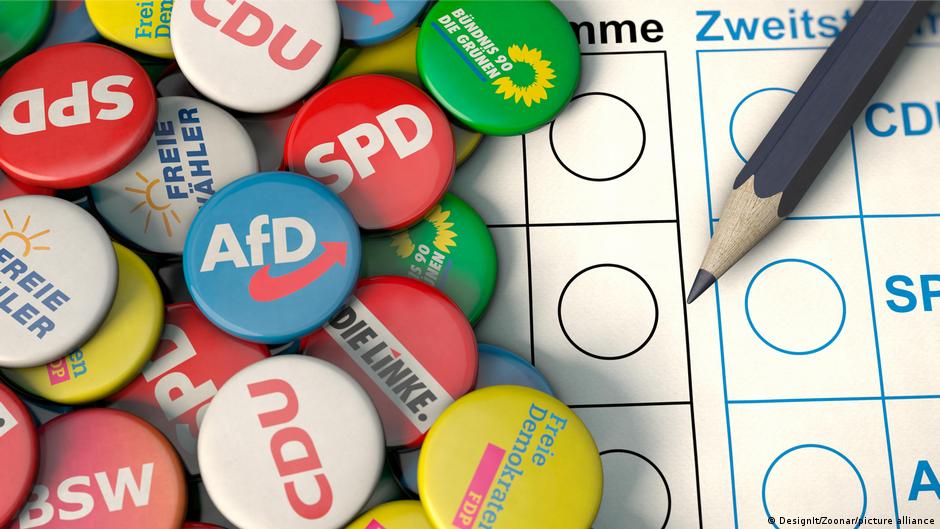
Lower Saxony’s runoffs strengthened Green urban leadership and showed the AfD’s difficulty converting first-round support into executive power.

Trump expects renewed Iran talks after rejecting Tehran’s Hormuz proposal, with sanctions, oil flows and nuclear demands shaping the standoff.

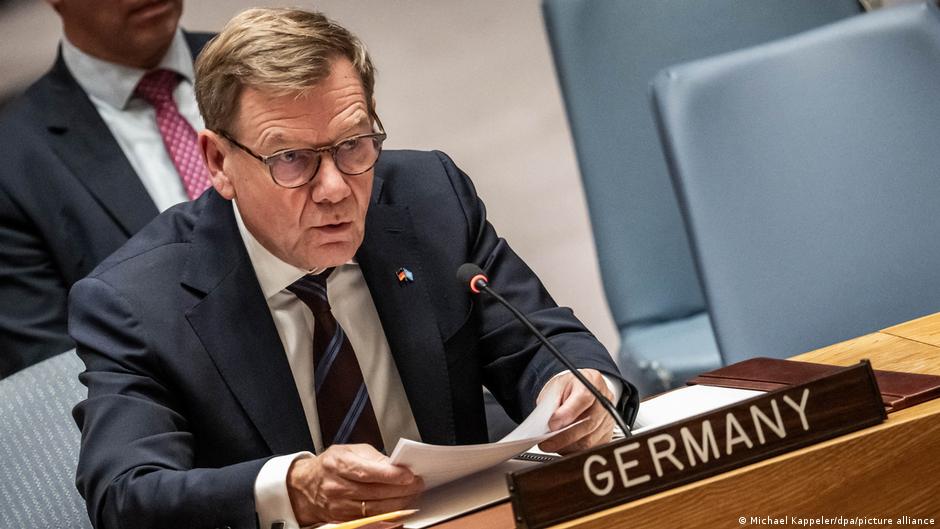
Germany says Putin’s possible G20 attendance should be judged by whether Russia first signals seriousness on Ukraine through a ceasefire.

Kyiv denied a report that Trump proposed Zelensky travel to Moscow, as energy prices and venue disputes shape Ukraine diplomacy.

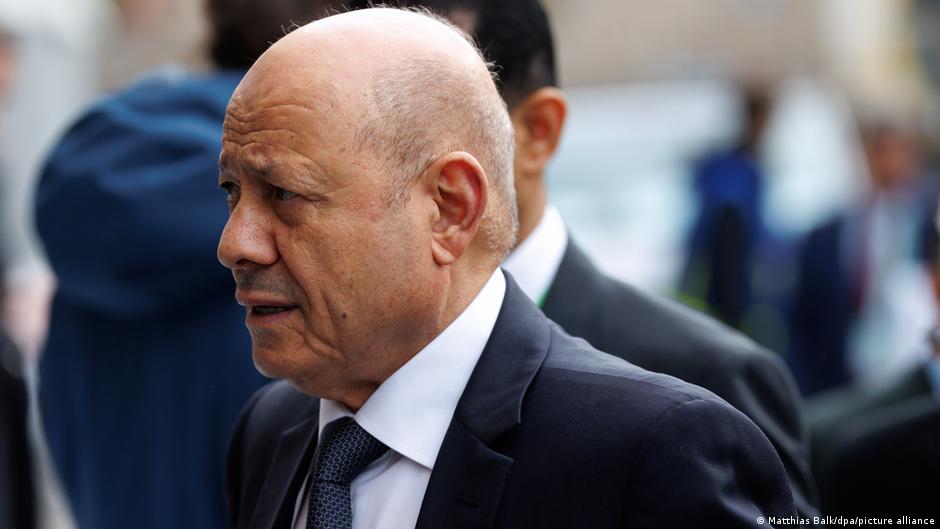
Yemen’s mobilization call comes as Houthi gains near the Red Sea and Bab el-Mandeb raise risks for trade, oil exports and energy prices.

U.S. and Iranian officials held mediated talks in New York as threats, sanctions and Hormuz shipping risks framed the economic stakes.

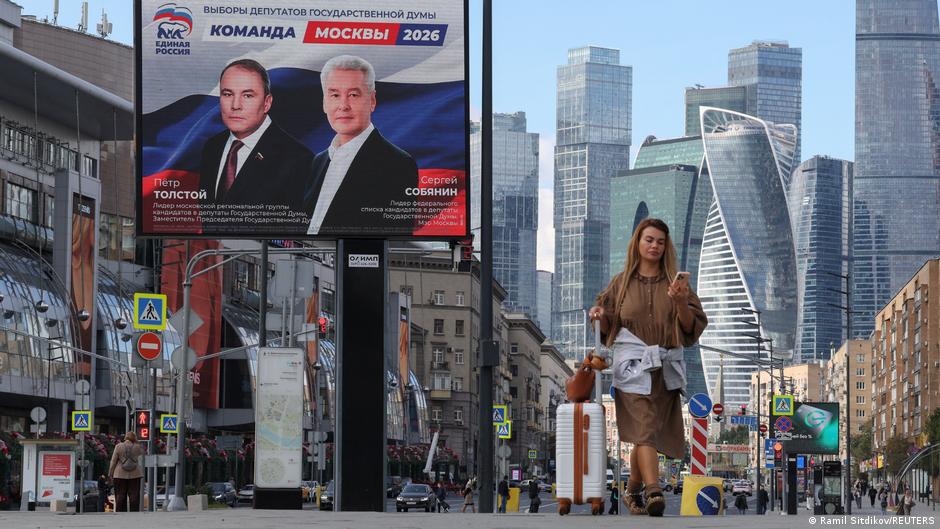
Partial results put United Russia on track for a State Duma constitutional majority, reinforcing Russia’s centralized wartime economic model.

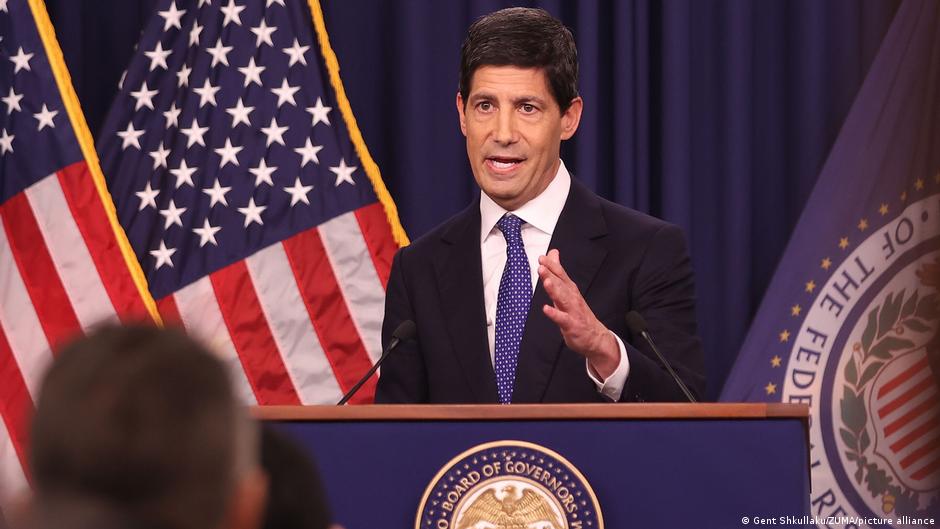
The Fed lifted rates to 3.75-4 percent, citing persistent inflation and reviving tensions between price stability, credit costs and politics.

The House advanced a bill allowing Trump to impose 100% tariffs on major buyers of Russian energy, setting up a full vote this week.

A prolonged halt on Saudi Arabia’s East-West pipeline could cut global oil supply by 4%, exposing the fragility of export routes.

Russia is expected at G20 energy talks in Houston as wars, sanctions and Red Sea security risks complicate the economics of energy abundance.

The Houthi capture of Mocha strengthens their position near Bab el-Mandeb, raising risks for oil flows and global energy prices.

Germany’s CDU/CSU support falls to 20%, with far-right AfD leading polls ahead of key state elections, reflecting volatile voter behavior and shifting political allegiances.

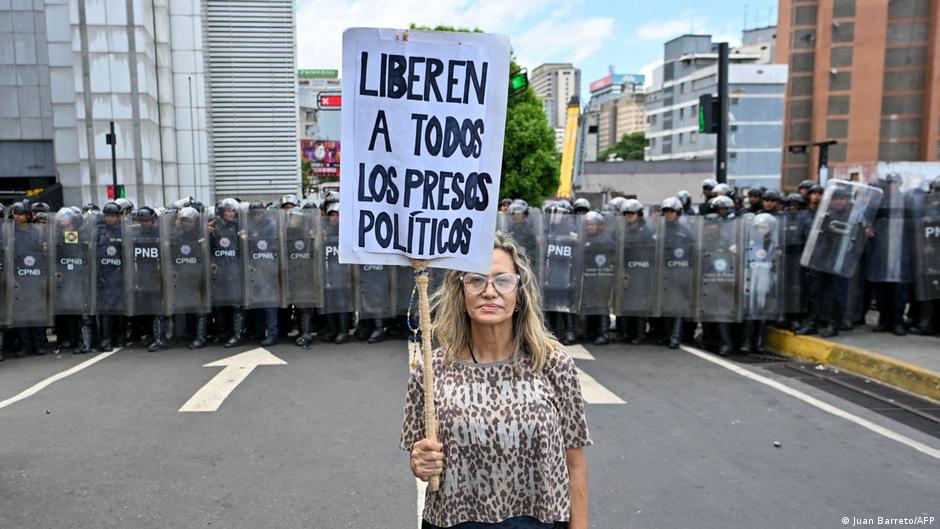
Venezuela released 131 political prisoners after initial reconciliation talks, agreeing also on judicial reforms amid ongoing economic and political challenges.

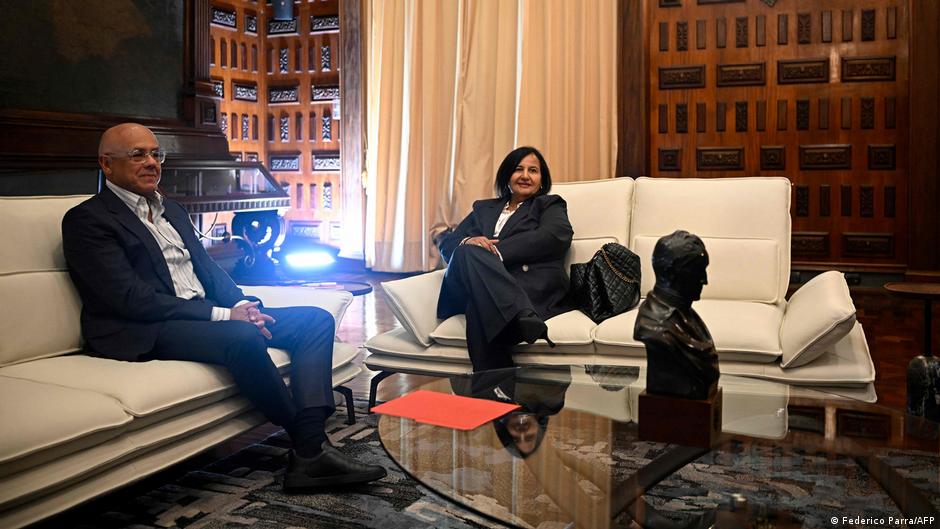
Venezuela’s government and opposition will engage in direct talks in Caracas to discuss earthquake aid and electoral reforms amid economic and political crises.

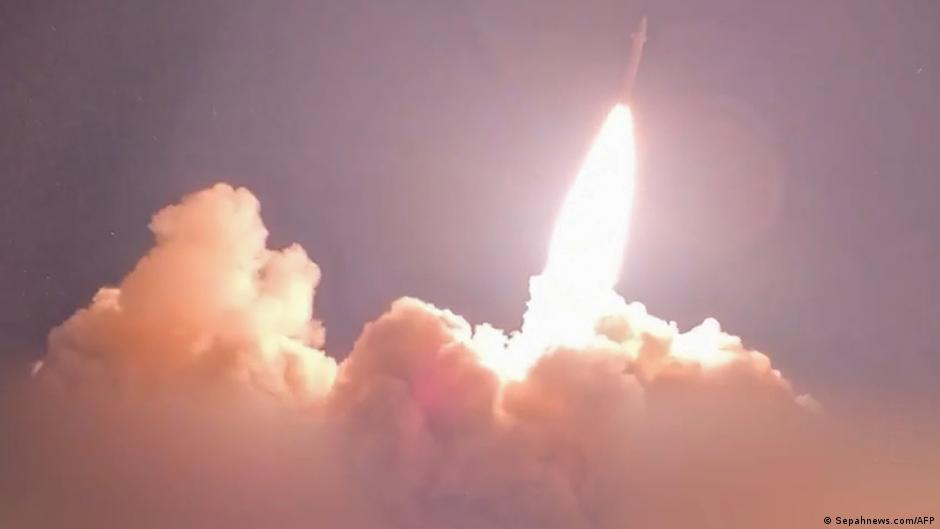
The US intercepted ballistic missiles launched from Iran targeting American forces, underscoring escalating tensions and the complex economic risks in the Middle East.

The U.S. Senate advances the Graham Sanctions bill to impose steep tariffs on Russia and its energy partners, signaling a strategic intensification of economic pressure.

Ukrainian strikes on Wildberries warehouses in Russia and Crimea disrupt key logistics hubs, damaging 10% of the company’s infrastructure and highlighting broader economic vulnerabilities.

Russia’s oil product production index fell nearly 22% in June amid war-inflicted damage to refining capacity, signaling deep structural economic challenges.

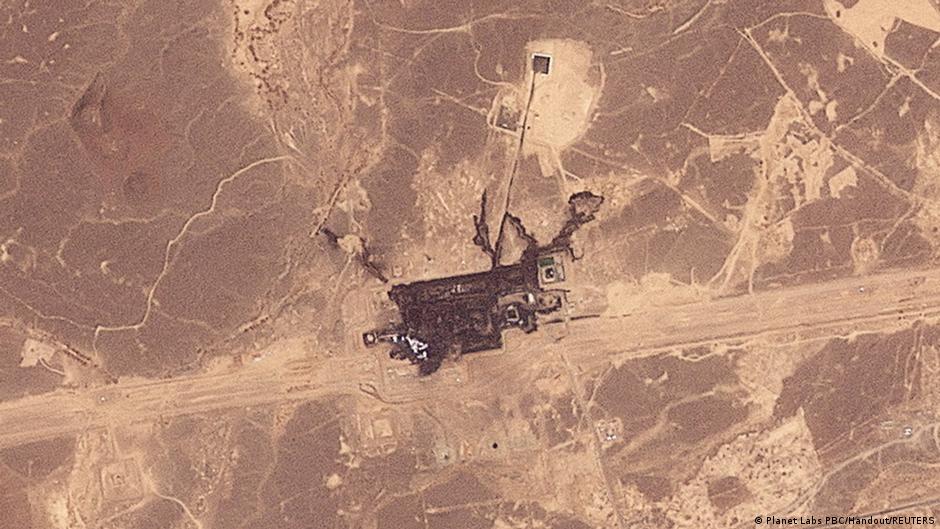
The US has launched ten consecutive days of attacks against Iran, targeting military infrastructure amid reciprocal strikes and disruptions in the strategic Strait of Hormuz.

The US has launched new strikes targeting Iranian infrastructure, prompting Tehran to vow retaliatory attacks amid escalating tensions and risks to regional stability.

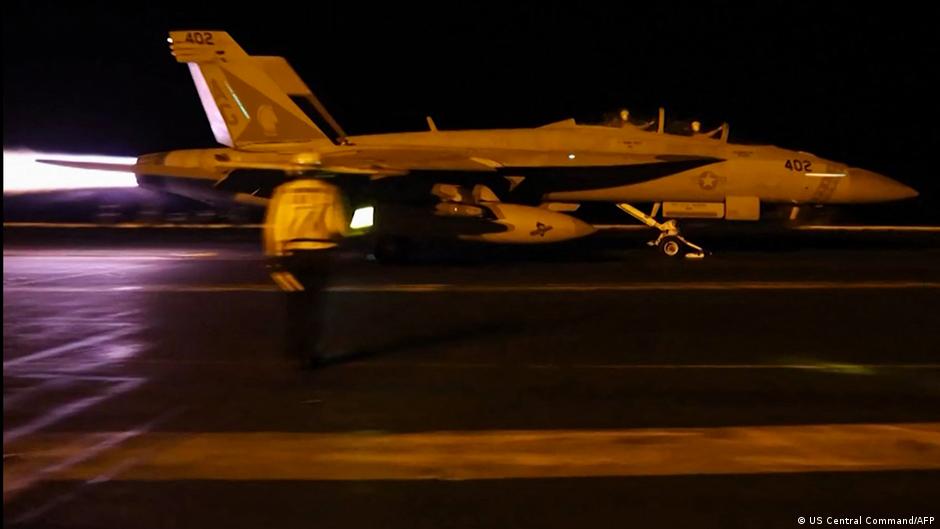
The US military launched new strikes against Iran targeting its ability to attack commercial vessels in the Strait of Hormuz amid escalating regional tensions threatening global oil trade.

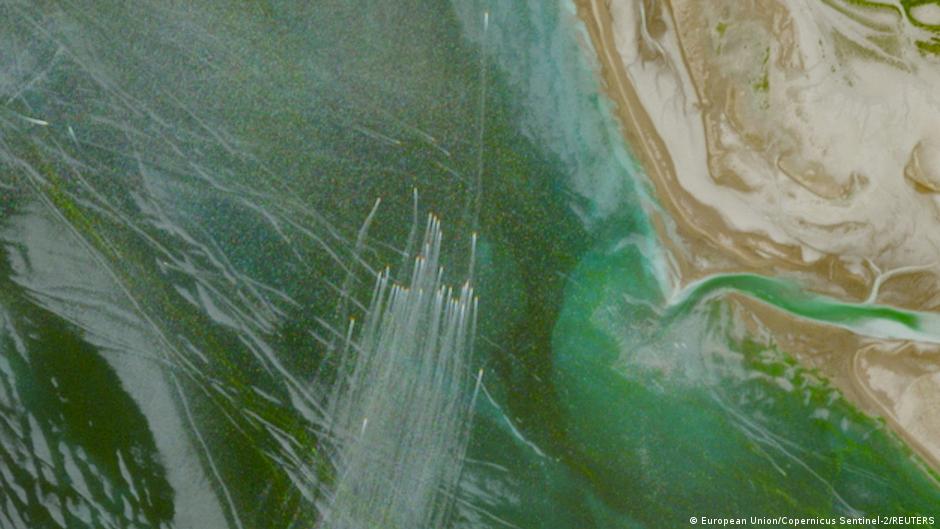
Russia halts vessel passage through the Azov-Don canal after Ukrainian drone strikes damage key ships, disrupting grain exports and causing wheat prices to surge.

US airstrikes targeted Iranian military sites after a drone attack on a commercial ship in the Strait of Hormuz, escalating tensions and impacting global oil markets.

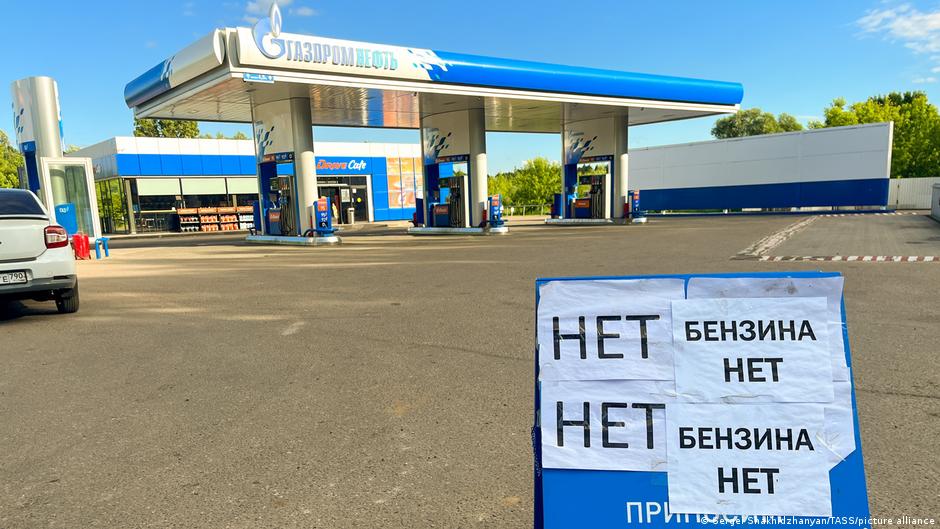
Widespread fuel sales restrictions are imposed across Russia due to production slowdowns following targeted drone strikes on oil refineries, affecting 53 regions.

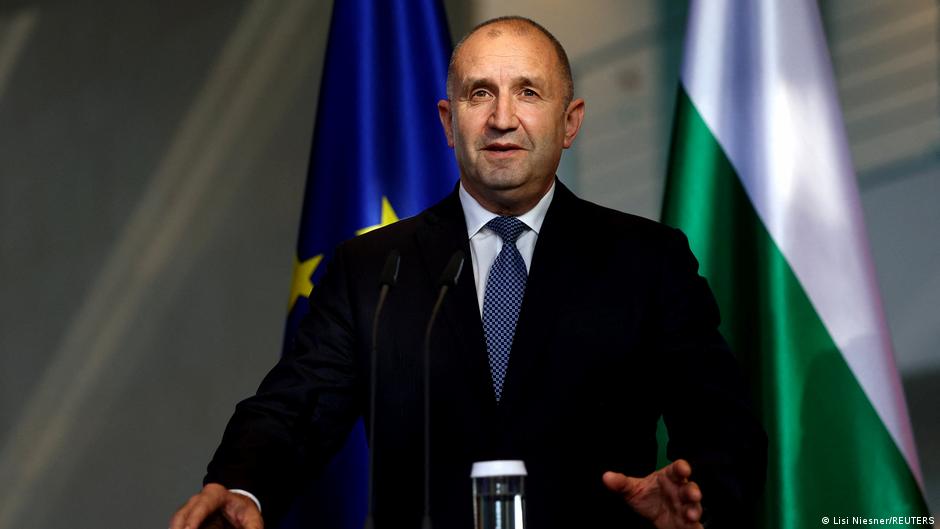
Bulgaria plans to veto the EU’s expanded sanctions on Russia, citing risks to its economy and opposing restrictions on the Russian Orthodox Patriarch.

The EU has begun discreet talks with the Kremlin to prepare for potential peace negotiations on the Ukraine conflict, amid growing military and economic pressures on Russia.

The US resumed airstrikes on Iran following the downing of an Apache helicopter over the Strait of Hormuz, reflecting escalating regional tensions with significant economic implications.

US forces intercepted four Iranian drones targeting the Strait of Hormuz and struck radar stations, highlighting escalating tensions impacting global energy security.

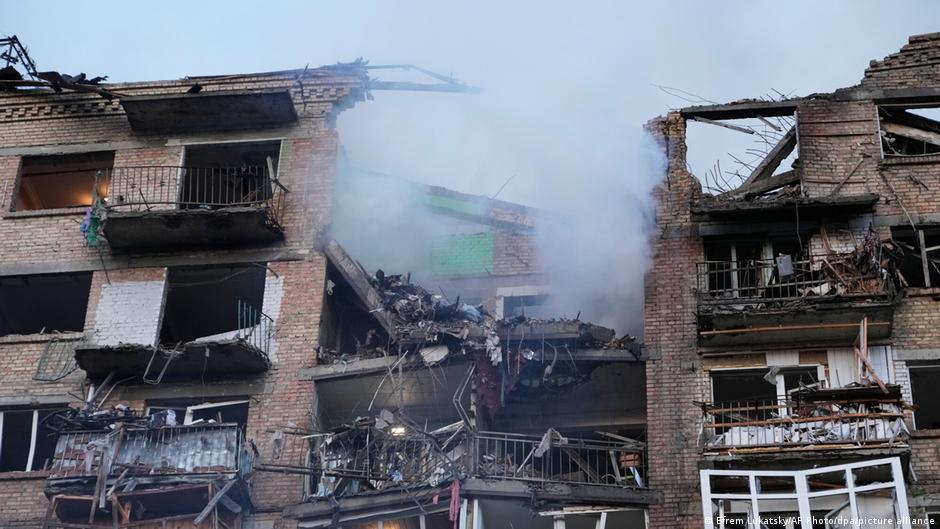
Russia’s June 2 missile strikes on Ukrainian cities caused multiple civilian casualties and intensified economic disruption, marking a significant conflict escalation.

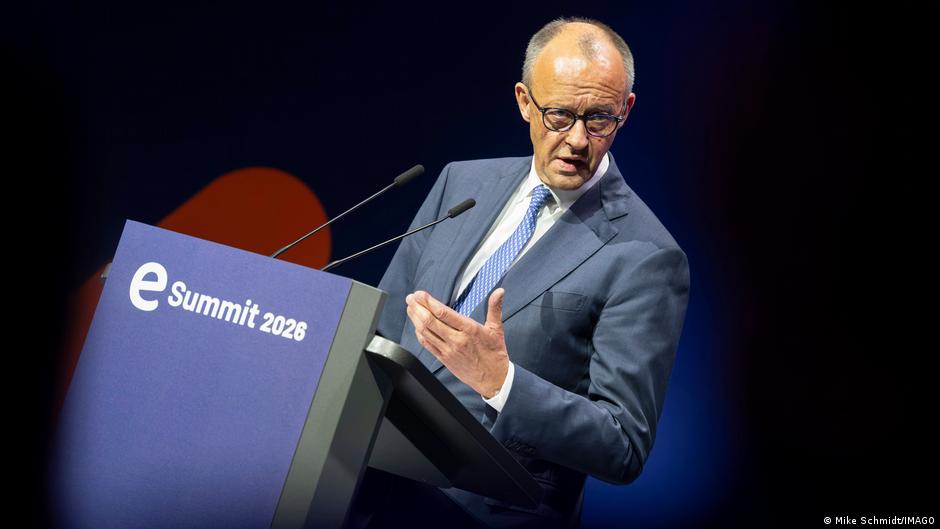
Sources close to Chancellor Friedrich Merz dismiss claims of his early replacement as unfounded, despite declining public support and media speculation amid Germany’s political challenges.

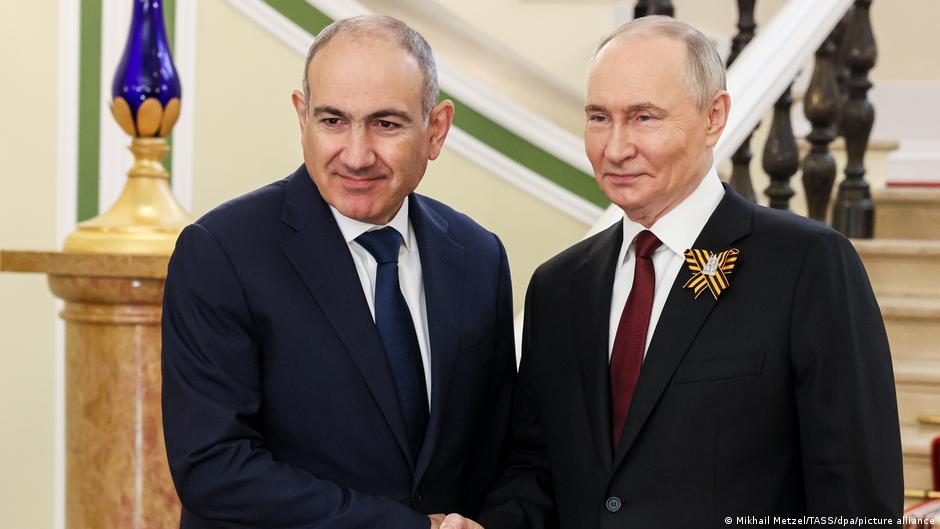
Russia threatens to suspend duty-free gas supplies to Armenia due to its EU integration efforts, signaling major economic and geopolitical ramifications for the region.

The US military conducted defensive strikes on southern Iran to counter threats amid ongoing peace talks, highlighting fragile regional stability and potential economic repercussions.

Filmmaker Andrei Zvyagintsev’s anti-war plea was rejected by the Kremlin, highlighting the silencing of millions of Russians who lack a voice amid the ongoing conflict.

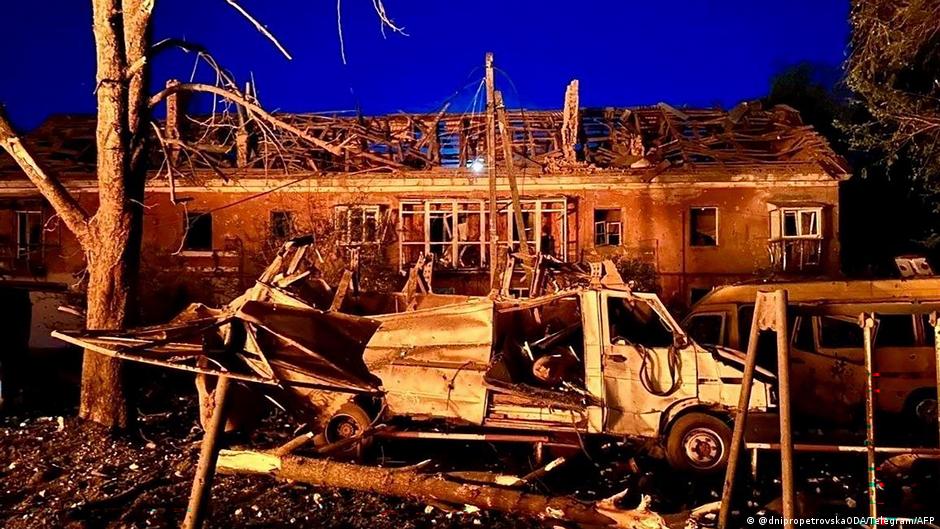
Russia intensified its assault on Kyiv with drones and ballistic missiles, threatening Ukraine’s urban infrastructure and economic recovery amid ongoing conflict.

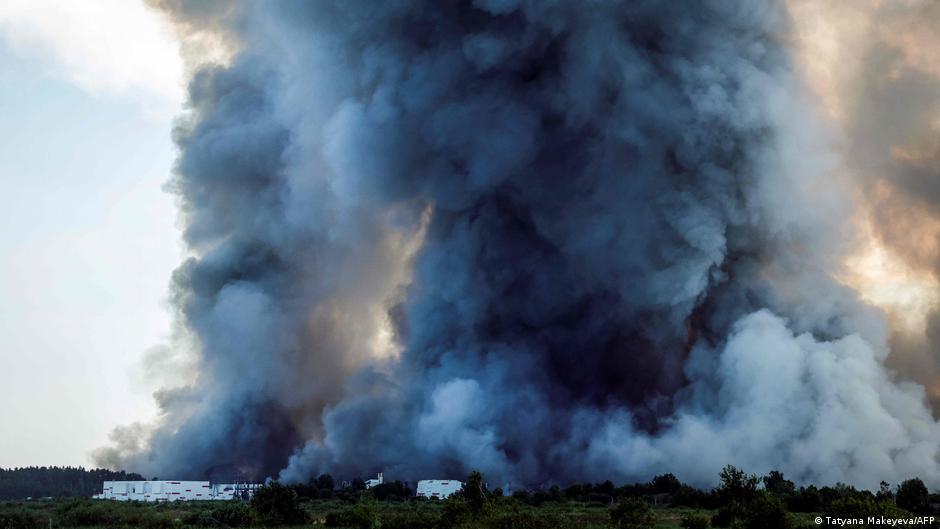
Ukraine's drone strikes have forced Russia's Nizhny Novgorod refinery to halve its processing capacity, disrupting a significant portion of the country’s fuel production.

The UK has issued an indefinite license allowing imports of Russian-origin diesel and kerosene to ease fuel prices amid geopolitical energy disruptions.

The US ended its temporary easing of sanctions on Russian oil, a move that had bolstered Russia's revenues amid global energy price volatility and geopolitical tensions.

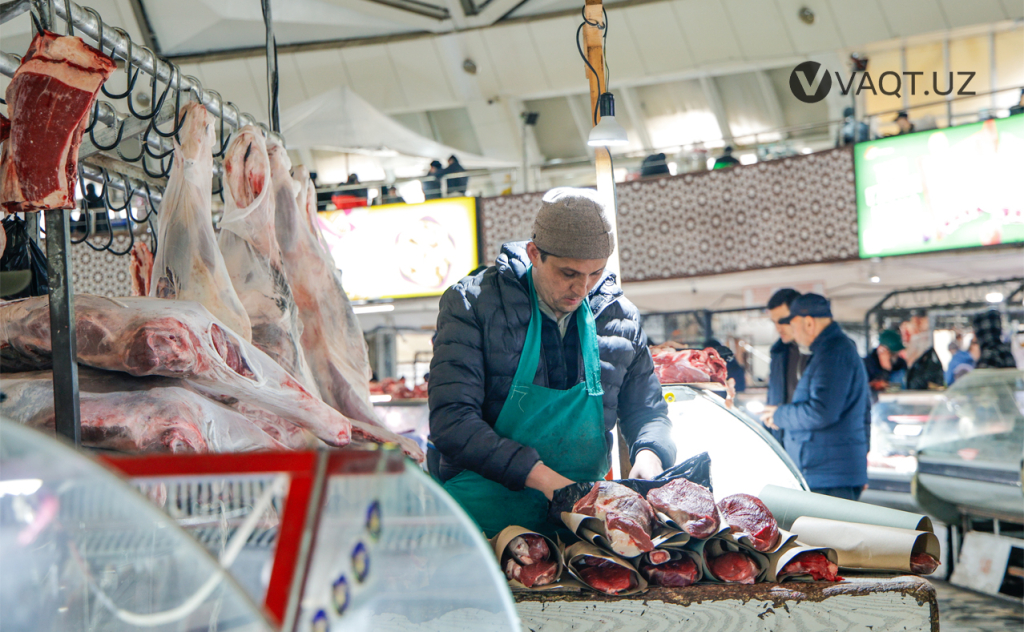
Uzbekistan’s meat imports surged 62.8% in early 2026 amid slowing domestic production and rising global prices, highlighting structural challenges in the livestock sector.
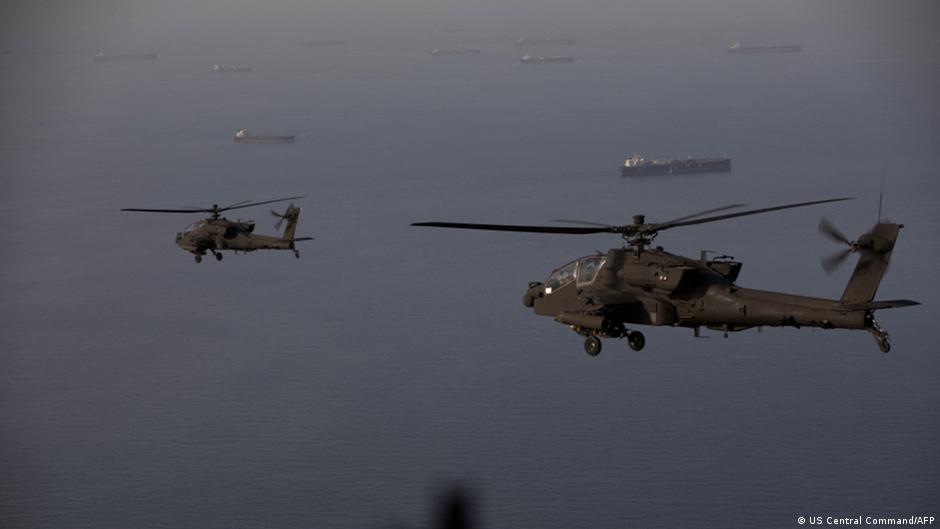
Global oil reserves fell by a record 200 million barrels in April amid Middle East tensions, signaling tightening supply conditions despite weakening demand.

Iran's missile and drone attacks on the UAE disrupt Gulf stability, threatening vital trade routes and regional economic security in a renewed escalation.

Jean-Luc Mélenchon confirms candidacy for France's 2027 presidential election, setting the stage for a far-left versus far-right contest amid pivotal economic and political shifts.