Cuba Faces Severe Nationwide Blackout Amid Intensified U.S. Economic Pressure
Cuba's complete power outage reflects deepening energy crisis linked to U.S. sanctions and stalled diplomatic efforts.
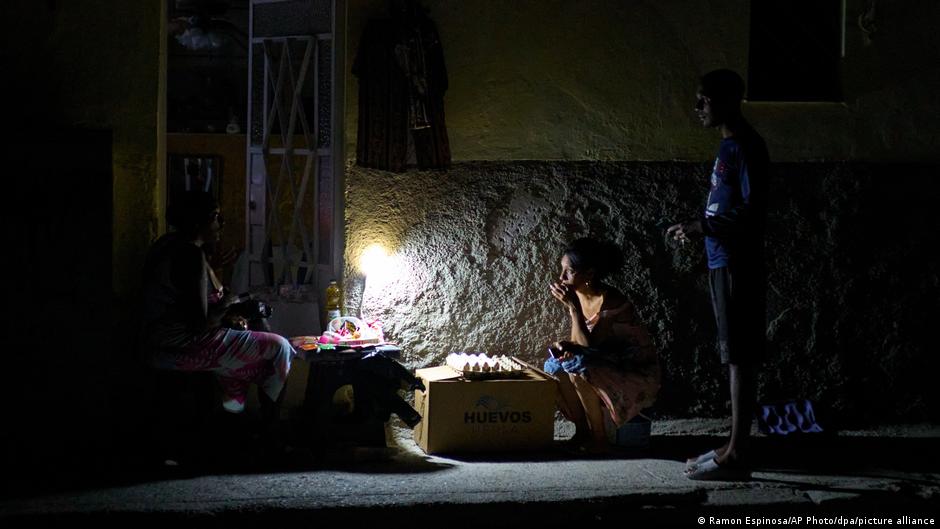
On July 6, Cuba experienced a total collapse of its electrical grid, plunging the entire nation into darkness. The state-run utility company, Unión Eléctrica, confirmed the outage and announced that restoration efforts had commenced. While investigations into the root causes of the blackout are ongoing, analysts link the failure to the island's worsening fuel shortages amid tightening U.S. sanctions.
Historical Context and Economic Implications
The blackout is the latest in a series of energy disruptions that have beleaguered Cuba’s already fragile electrical infrastructure. With a population approaching 10 million, Cuba’s energy demands have long outpaced supply, exacerbated by chronic fuel shortages. The situation has deteriorated as the U.S. administration has increased economic and political pressure on Havana in recent years.
Since January 2026, Cuba has been permitted by the U.S. to import oil only from a single Russian tanker, which delivered 730,000 barrels in late March—depleting by May. This severe restriction limits Cuba’s ability to secure adequate fuel, forcing the country to operate at just 40% of needed energy inputs.
“The American blockade has intensified chronic electricity disruptions on the island, severely affecting daily life and economic productivity,” Bloomberg noted.
In prior months, Cubans have endured multiple extensive blackouts. In mid-March, the entire country lost power for several hours, while in May, the eastern provinces faced similar outages. To conserve energy, authorities have implemented scheduled power cuts lasting up to 24 hours.
Structural Reforms Amid Crisis and Diplomatic Stalemate
Confronted with a protracted energy crisis and the compounded effects of the U.S. embargo, the Cuban government has embarked on an ambitious reform agenda. In June 2026, Havana proposed nearly 200 market-oriented reforms, including the largest partial privatization of the economy in 65 years. These measures aim to revitalize economic activity and lobby for the lifting of U.S. fuel restrictions.
However, dialogue between the U.S. and Cuba remains deadlocked. The Trump administration’s hardline stance underscores a strategic intention to catalyze regime change in Havana through economic and political pressure rather than diplomatic engagement. This impasse complicates prospects for resolving the island’s energy crisis.
The blackout exemplifies the structural vulnerabilities within Cuba’s economy, especially its dependence on imported fossil fuels and susceptibility to external geopolitical pressures. Without significant shifts in U.S.-Cuba relations or alternative energy solutions, these power disruptions may continue, impacting economic stability and social welfare.