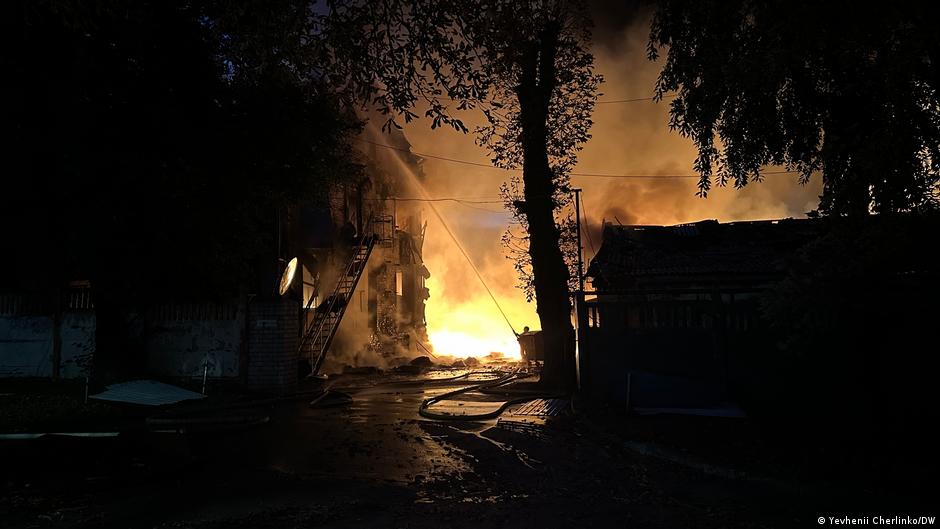
Deadly Drone Attacks in Tula Highlight Escalating Cross-Border Conflict and Economic Risks
Drone strikes in Russia’s Tula region and Reutov underscore growing security threats with broader economic and infrastructural implications
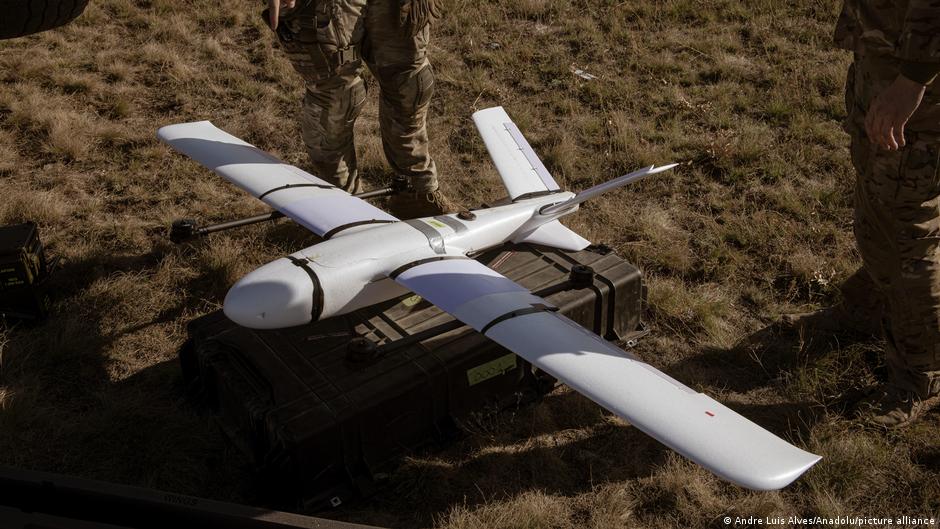
In the early hours of June 15, several Russian regions, including the Tula region and the Moscow suburb of Reutov, suffered coordinated drone attacks attributed to Ukrainian forces. These assaults resulted in tragic civilian casualties and raised pressing questions about the economic and structural damage inflicted by the ongoing conflict.
Casualties and Damage in Tula Region
The governor of the Tula region, Dmitry Milyaev, reported that the drone strikes targeted residential areas in several settlements, including Yamny, Maslovo, Mikhalkovo, and Inshinsky. Several private homes and commercial properties were damaged in the attacks.
"Three people lost their lives, and three others, including a one-year-old child, were injured and received medical assistance," Milyaev stated, highlighting the human toll of this escalation along Russia’s interior regions.
Meanwhile, in Reutov, a city adjacent to Moscow and home to critical defense enterprises, drone strikes sparked a fire within an industrial zone. Initial reports suggested the military-industrial complex enterprise "NPO Mashinostroeniya" was the target. However, subsequent clarifications indicated the drone crashed into the facilities of "Mirital," a food processing plant specializing in deep-frozen products. The proximity of the attacked factory—approximately 700 meters—to a major defense contractor underscores the dual risks faced by civilian and strategic assets in conflict zones.
Moscow Mayor Sergey Sobyanin confirmed that Russian defenses intercepted four drones during the night, reflecting the increasing intensity and frequency of such cross-border drone incursions.
Bilateral Strikes and Broader Economic Impact
Simultaneously, Russian forces launched intensive strikes across Ukraine, targeting cities such as Kharkiv and Kyiv. In Kharkiv, at least five rescuers died while extinguishing fires caused by the bombardment, victims of repeated attacks.
Kyiv experienced severe disruptions, with approximately 140,000 electricity consumers losing power. Drone strikes hit residential buildings in multiple districts, killing at least four people and injuring 23, according to Kyiv’s military administration head Timur Tkachenko.
One of the most symbolic targets was the Kyiv Pechersk Lavra, a UNESCO World Heritage Site. The attack ignited a significant fire on the roof of the Dormition Cathedral, one of the oldest and most revered Eastern Slavic churches. Kyiv Mayor Vitali Klitschko emphasized the cultural and historical loss alongside the human casualties.
"The attacks reveal a grim pattern of targeting both civilian and strategic assets, underlining the conflict's deepening impact on regional infrastructure and economic stability."
Economic and Structural Consequences
These cross-border drone attacks represent a dangerous escalation with profound implications for regional economies and infrastructure resilience. The targeting of industrial plants, even inadvertently, disrupts supply chains and manufacturing critical to both civilian economies and defense sectors.
The damage to residential areas and essential services such as electricity further exacerbates humanitarian challenges and puts additional strain on local governments’ capacity to respond and rebuild.
Moreover, the strikes on Ukraine’s historic and cultural landmarks highlight an often-overlooked dimension of wartime destruction: cultural heritage losses can undermine social cohesion and post-conflict recovery prospects.
Historically, conflicts with protracted urban and industrial targeting have led to long-term economic decline and social dislocation. The present drone warfare—the increasing use of relatively low-cost, high-impact unmanned aerial vehicles—signals a new chapter in conflict economics, where the cost-benefit calculus of attacks shifts, and infrastructure vulnerabilities multiply.
For Russia, the penetration of drones into interior regions like Tula signals growing challenges in air defense and internal security, potentially requiring costly upgrades and reallocations of defense resources away from frontline engagements.
For Ukraine, continued retaliatory strikes risk international condemnation but may be viewed domestically as necessary deterrence. However, the ongoing tit-for-tat escalation threatens to entrench devastation across civilian and industrial landscapes on both sides, potentially hampering economic recovery and stability for years to come.
As the conflict endures, analysts and policymakers must grapple with these layered economic consequences beyond immediate military considerations, addressing infrastructure resilience, civilian protection, and the safeguarding of cultural heritage within broader strategic frameworks.