Russian Missile and Drone Strikes on Ukrainian Cities Highlight Growing Civilian Toll
Recent attacks across multiple Ukrainian cities have caused civilian casualties and infrastructure damage, underscoring the conflict's escalating economic and social costs.
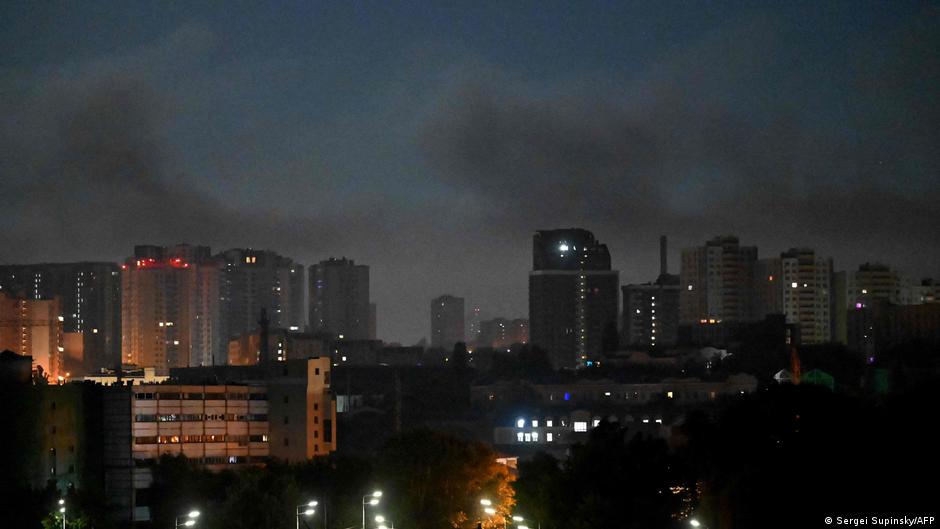
On the night of July 30, Russian forces launched a coordinated missile and drone attack targeting several Ukrainian cities, resulting in civilian casualties and widespread damage to residential and industrial infrastructure. This assault, part of a sustained military campaign, has significant implications for Ukraine's social fabric and economic stability.
Scope and Impact of the Attacks
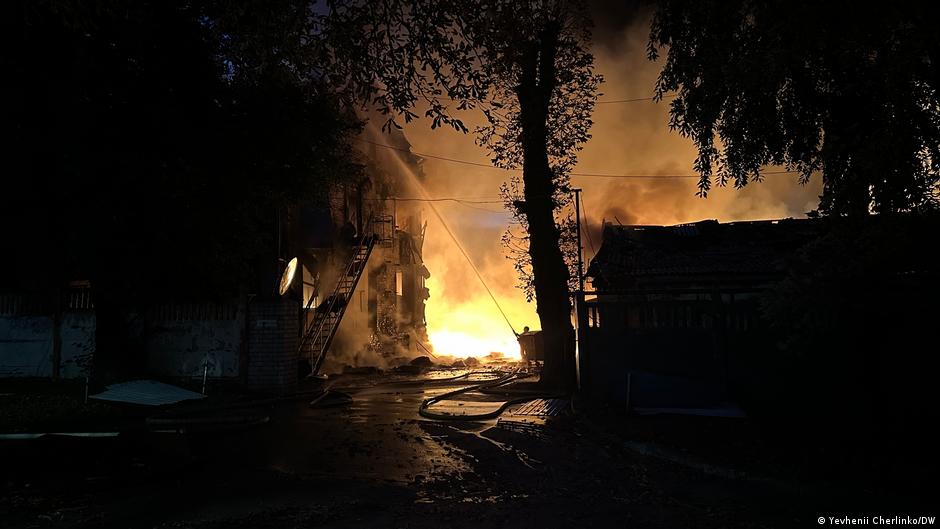
The Ukrainian capital, Kyiv, experienced multiple missile strikes that led to fires and debris fallout in various districts. The city's military administration confirmed at least one fatality amid the chaos. Simultaneously, in the western city of Lviv, air defense systems engaged incoming threats, but two residential buildings sustained damage, necessitating ongoing rescue operations.
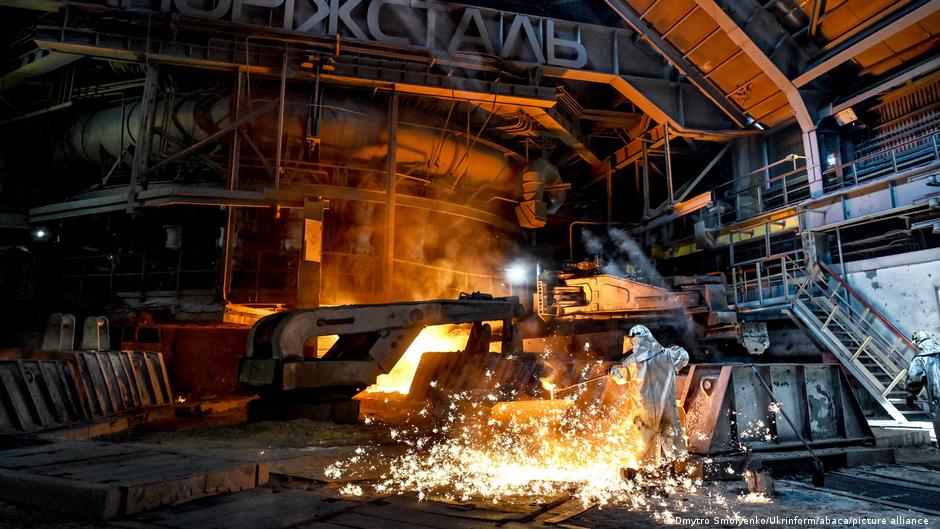
Industrial zones were not spared. In Kharkiv’s Novobavarsky district, a drone strike targeting a manufacturing area was recorded, although detailed assessments of damage remain pending. Reports also surfaced of explosions in several other regions including Vinnytsia, Cherkasy, Kryvyi Rih, Sumy, and the Ivano-Frankivsk province, indicating the attacks’ broad geographic spread.
One of the deadliest incidents occurred in Radushne, a suburb of Kryvyi Rih, where a ballistic "Iskander-M" missile hit a private home housing a large family. Tragically, this strike resulted in the deaths of six family members, including children aged five and twelve. Rescue teams continue to recover survivors and clear debris, with authorities warning that casualty figures may rise.
"The number of casualties may increase as rescue operations continue," stated the Kryvyi Rih city defense council head, emphasizing the human cost of the strikes.
Economic and Structural Consequences
This wave of attacks has stark implications beyond immediate human suffering. The repeated targeting of urban centers and industrial facilities disrupts critical economic activities and supply chains essential for Ukraine’s war-sustaining infrastructure. Damage to housing stock exacerbates an already significant internal displacement crisis, imposing long-term social welfare costs.
Historically, protracted conflicts targeting civilian infrastructure tend to deepen economic recession by destroying productive capacity, deterring investment, and straining public resources. The Ukrainian conflict, now extending beyond initial frontline engagements into strategic strikes on urban economies, reflects a shift toward total war tactics that compound reconstruction challenges.
President Volodymyr Zelensky highlighted the strategic premeditation of these attacks, noting that Russian forces had prepared for several days to execute the missile barrage. He called upon international partners, particularly those capable of providing advanced air defense systems such as the Patriot missile batteries, to enhance Ukraine’s defensive capabilities. This plea underscores the pivotal role of external military support in mitigating civilian casualties and preserving economic infrastructure.
Broader Context and International Implications
The escalation in missile and drone strikes against Ukraine’s urban centers aligns with a pattern of intensifying asymmetric warfare aimed at undermining civilian morale and economic resilience. The reliance on advanced guided munitions and drones represents a strategic shift that complicates air defense and civilian protection efforts.
From an economic standpoint, sustained damage to housing, utilities, and industrial zones erodes the foundation for post-conflict recovery. The destruction of multi-generational family homes, as tragically seen in Kryvyi Rih, disrupts human capital development and social cohesion, elements crucial for long-term national recovery and economic stability.
Furthermore, these attacks place increased pressure on Ukraine’s government budget, diverting funds from development and social programs toward emergency response and military expenditure. The need for robust international support is thus not only a military imperative but also an economic necessity.
In sum, the July 30 attacks illustrate how the ongoing conflict's military dynamics are deeply intertwined with structural economic challenges. Protecting civilian populations and infrastructure through enhanced air defense, alongside sustained international aid, remains critical to mitigating the war’s long-term economic and social consequences.