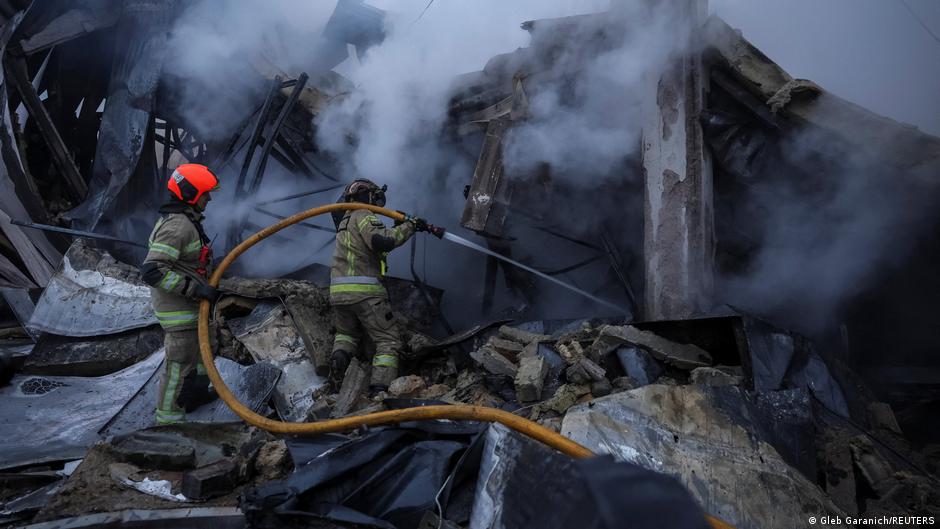
US Intercepts Iranian Ballistic Missiles Amid Escalating Middle East Tensions
The US military successfully intercepted ballistic missiles launched from Iran targeting American forces in the Middle East, highlighting ongoing regional volatility.
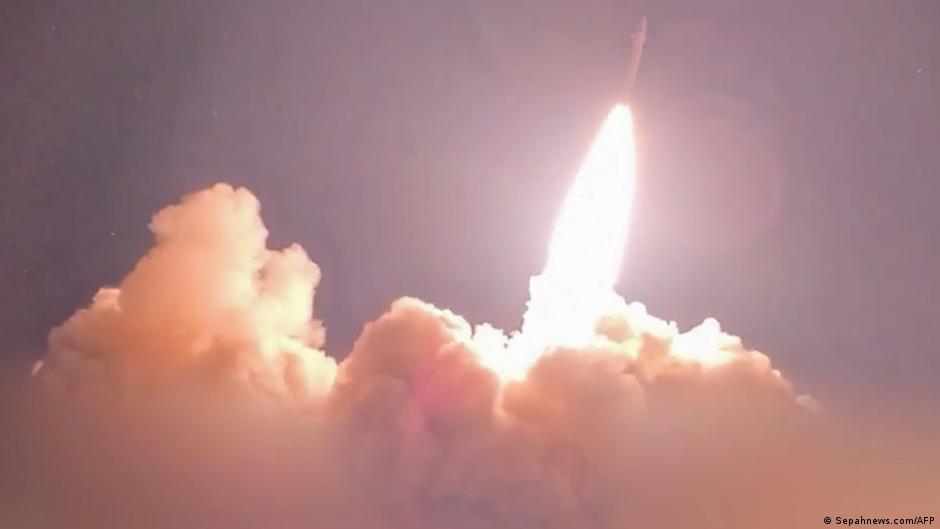
In a significant episode amid heightened tensions in the Middle East, the United States military reported on July 29 the interception of multiple ballistic missiles fired from Iranian territory toward US forces stationed in the region. This development marks a notable escalation following a period of relative restraint after weeks of intermittent conflict.
Context and Implications of the Missile Strikes
The ballistic missile launches were attributed to Iran’s Islamic Revolutionary Guard Corps (IRGC), which reportedly attempted a "surprise attack" against American military personnel and assets in the region. The US Central Command (CENTCOM) promptly announced the successful neutralization of all incoming missiles, underscoring the readiness and vigilance of US defense systems.
"US forces remain alert and at a high state of combat readiness," CENTCOM stated via official communications, reflecting ongoing concerns about regional security dynamics.
This missile strike constitutes the first direct Iranian missile attack on a US base in the Middle East since the Trump administration's earlier decision to suspend further strikes on Iran. Reports indicate at least one missile targeted a US military base in Jordan, signaling Iran’s willingness to extend its operational reach beyond its immediate borders.
Escalation and Strategic Calculations
The backdrop to this confrontation includes a series of US airstrikes conducted from July 12 to 24 against Iranian military targets. These strikes aimed to degrade Iran’s capacity to threaten maritime traffic through the strategically vital Strait of Hormuz, a critical chokepoint for global energy supplies. Iran’s subsequent retaliatory attacks on tankers and military installations in neighboring countries have intensified regional instability.
US President Donald Trump’s rhetoric in late July—threatening "multiple" retaliations for any harm to American personnel—further escalated tensions. CENTCOM has confirmed the deaths of three US service members since the onset of the renewed hostilities.
Despite the volatility, both parties observed a temporary pause in direct military engagements after July 24. According to reports, President Trump convened senior advisors and opted to defer additional extensive strikes on Iran. Key factors influencing this decision included the potential depletion of missile interceptors such as the Patriot missile defense system, vital for protecting US assets in the region, and concerns over triggering a broader global energy and economic crisis.
Economic and Strategic Consequences
The missile exchanges and accompanying military actions have far-reaching consequences beyond immediate security concerns. The Strait of Hormuz, through which a significant portion of the world's oil supply transits, remains a flashpoint with the potential to disrupt global energy markets. Any sustained conflict risks exacerbating volatility in oil prices, which in turn could ripple through global economies already grappling with inflation and supply chain challenges.
Moreover, the apparent restraint exercised by the US administration in avoiding large-scale retaliatory strikes reflects an acute awareness of the fragile balance between demonstrating military resolve and averting a wider regional conflict. The depletion of missile interceptors highlights logistical and strategic limitations faced by US forces, emphasizing the need for sustainable defense postures in prolonged engagements.
Historically, such cycles of limited military escalation have often led to protracted stalemates, fostering an atmosphere of uncertainty detrimental to regional economic stability and international investment. The ongoing conflict underscores the interconnectedness of geopolitical tensions and economic outcomes, particularly in energy-dependent markets.
As the situation remains fluid, analysts emphasize the importance of diplomatic channels and negotiated de-escalation to prevent further deterioration. The recent missile attacks serve as a stark reminder of the persistent volatility in Middle Eastern geopolitics and the complex interplay of military strategy and economic imperatives.