Drone Attacks by Ukrainian Forces Target Multiple Russian Regions Causing Significant Damage
Ukrainian drone strikes on Russian territory result in civilian casualties and infrastructure damage, highlighting escalating regional conflict dynamics.

In the early hours of July 18, Ukrainian armed forces conducted a series of drone attacks targeting several Russian regions, resulting in significant material damage and loss of life. The most severe incident occurred in Tambov Oblast, where a logistics warehouse operated by the major marketplace Wildberries caught fire following a drone strike. Local authorities confirmed seven fatalities and 24 injuries in this attack.
Escalation of Drone Warfare and Regional Impact
Governor Evgeniy Pervyshov of Tambov Oblast officially attributed the fire at the Wildberries warehouse in Kotovsk to Ukrainian drone attacks. This statement was supported by open-source intelligence analysis from the Telegram channel Astra, which identified the site of the fire and circulated multiple videos purportedly recorded by local residents capturing the drone strikes. A Ukrainian monitoring channel, Exilenova+, also published footage allegedly from the warehouse premises, underscoring the growing visibility and documentation of such attacks.
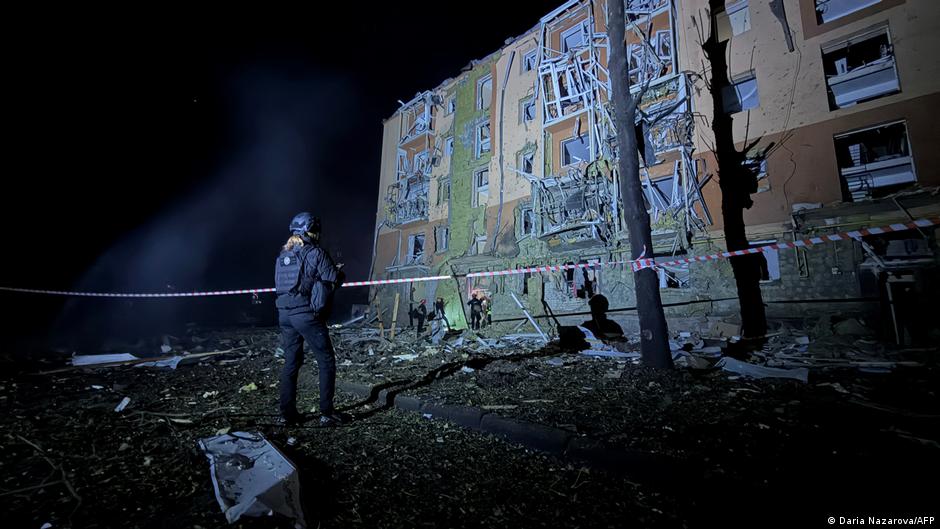
Further incidents were reported in Vladimir Oblast, where a drone reportedly hit an apartment in a high-rise building, causing a fire. Governor Alexander Avdeyev stated that residents were evacuated to a temporary shelter, though no casualties were reported. Similarly, in Moscow, Mayor Sergey Sobyanin detailed the efforts of Russian air defense to intercept waves of drones—initially shooting down 33 drones and later revealing that over 370 drones targeted the Moscow region during the same night. Emergency services were deployed to manage debris and residual risks.
"Specialists from emergency services are working at the sites of falling debris," Sobyanin noted, highlighting the extensive scale and complexity of the assault on Moscow.
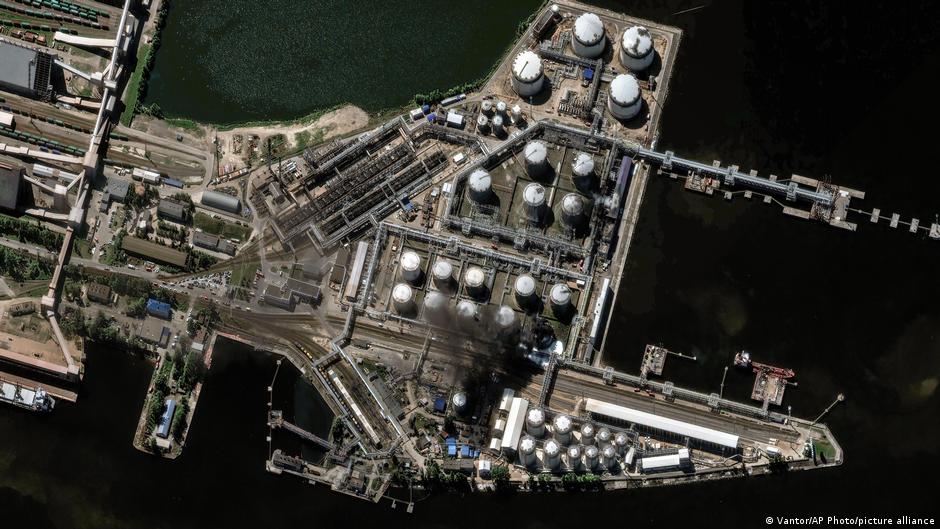
In the Leningrad region, Governor Alexander Drozdenko confirmed the downing of six drones, marking a broad geographical spread of these attacks. Additional reports from Exilenova+ claim ongoing fires at another Wildberries warehouse in Elektrostal near Moscow, as well as an explosion at a fuel depot in Noginsk, less than 10 kilometers from Elektrostal. While these latter reports await official confirmation from Moscow and Tver regional administrations, such incidents underscore the multifaceted nature of the conflict’s economic and civilian impacts.
Moreover, Ukrainian drone strikes extended into the occupied Crimean Peninsula, where the so-called governor of Sevastopol, Mikhail Razvozhayev, declared an air raid alert lasting over two hours. The attacks reportedly affected Sevastopol, Kerch, Feodosia, and the settlement of Gvardeyskoye, home to a strategic airbase, revealing a widening scope of military operations into contested territories.
Structural and Economic Consequences
The targeted strikes on logistics hubs such as Wildberries warehouses illustrate a strategic focus on disrupting Russian supply chains and e-commerce infrastructure. Wildberries is one of Russia’s largest online retailers, and damage to their distribution centers poses significant risks to regional supply stability and consumer access. The attacks highlight the vulnerability of critical civilian infrastructure amidst ongoing geopolitical tensions, raising concerns about the broader economic ramifications for the Russian domestic market.
Historically, targeting logistics and civilian economic infrastructure during conflicts is a tactic to undermine the adversary’s economic resilience. The current drone campaign reflects a modern iteration of asymmetric warfare, where relatively low-cost unmanned aerial vehicles inflict disproportionate disruption. The resulting fires, evacuations, and casualties demonstrate how these operations translate into tangible social and economic distress, extending the conflict’s impact beyond conventional military engagements.
As the situation evolves, the Russian government faces escalating challenges in securing critical infrastructure from increasingly sophisticated aerial threats. The widespread nature of the attacks across multiple regions signals a potential shift in the conflict’s operational dynamics, with significant implications for regional security and economic stability.