Drone Attacks on Dnipro Highlight Escalating Civilian Risks Amid Ongoing Conflict
Recent drone strikes in Dnipro have injured seven civilians, including children, underscoring the growing humanitarian toll and structural damage in the region.
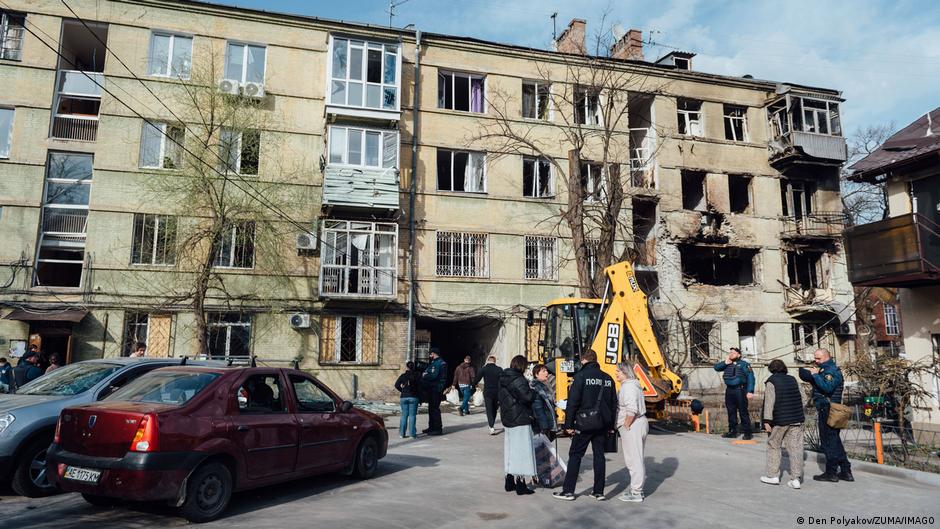
In the early hours of April 23, a series of drone attacks targeted multiple districts in the Ukrainian city of Dnipro, resulting in injuries to seven civilians, among them two girls aged 9 and 14. Local authorities reported that the strikes caused fires in several apartments within a high-rise residential building, as well as damage to a nearby store and vehicle.
Escalation of Urban Targeting and Human Costs
Alexander Ganja, head of the Dnipropetrovsk Regional Military Administration, communicated via his Telegram channel that the drone strikes inflicted wounds on seven individuals, with five requiring hospitalization. The two children and three adults—women aged 62 and 68—were evacuated to medical facilities with injuries classified as moderate. Another adult male, 35 years old, sustained injuries but did not require hospitalization.
These recent attacks are part of a persistent pattern of assaults on urban centers in eastern Ukraine, reflecting a grim trajectory in the conflict’s impact on civilian populations. On April 21, four people were wounded in similar attacks in the Dnipropetrovsk region, while the following day saw damage to both multi-family and private residences, as well as vehicles in Dnipro.
"The persistence of drone and ballistic missile attacks on civilian infrastructure signals a disturbing evolution in the conflict’s urban warfare dynamics, intensifying both humanitarian and economic repercussions," observes a regional security analyst.
Infrastructure and Economic Consequences
Notably, the scale of damage extends beyond immediate human injury. Fires ignited in residential apartments on the fourth and fifth floors caused significant property destruction. Additionally, commercial premises and transportation assets were impacted, aggravating economic vulnerabilities in a city already strained by prolonged conflict.
The most severe attack to date occurred on the night of April 16, when Dnipro was struck by both drones and ballistic missiles. That offensive resulted in four fatalities and 34 injuries. Critical infrastructure, including educational institutions, residential buildings, garages, and vehicles, sustained considerable harm, disrupting the social and economic fabric of the city.
Historical Context and Structural Impacts
These repeated strikes on Dnipro illustrate a broader strategic shift toward targeting urban centers with unmanned aerial systems and missile technology. From an economic perspective, such assaults exacerbate the region’s instability by undermining housing stock, commercial activity, and public services.
Historically, conflicts that involve recurrent attacks on civilian infrastructure have precipitated long-term structural economic setbacks. Reconstruction demands divert scarce resources, deter investment, and displace populations—challenges evident in Dnipro’s evolving crisis.
As the conflict endures, understanding the intersection of military tactics with economic resilience becomes critical. The damage to Dnipro’s urban environment not only compounds immediate humanitarian needs but also foreshadows protracted recovery efforts with significant fiscal implications.