Turkey Pursues Renewal of Russia-Ukraine Peace Talks Amid Shifting Geopolitical Dynamics
President Erdogan emphasizes Ankara’s active role in facilitating dialogue to end the Russia-Ukraine conflict as global tensions escalate.
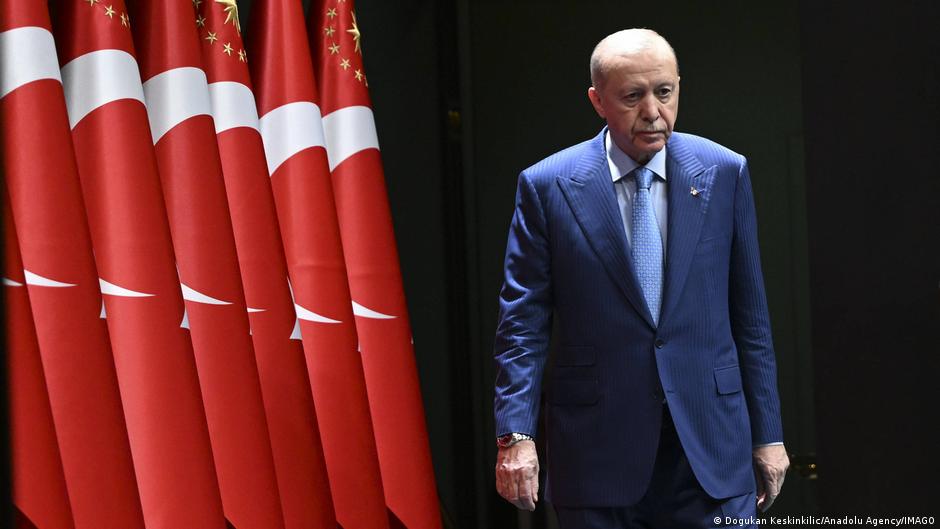
The Turkish government is actively working to revive peace negotiations between Russia and Ukraine, a process that has effectively stalled since early 2023 amid escalating global tensions. President Recep Tayyip Erdogan articulated Ankara’s commitment to this diplomatic effort during a meeting with NATO Secretary General Jens Stoltenberg on April 22 in Ankara.
Geopolitical Context and Turkey’s Diplomatic Position
Turkey’s diplomatic engagement to mediate between Moscow and Kyiv comes at a time when conflicts beyond Eastern Europe are influencing regional stability. Erdogan highlighted the impact of a new conflict involving the United States and Israel against Iran, which began on February 28, 2023, noting that this escalation is intensifying pressures on Europe and complicating existing international security dynamics.
"Turkey is interested in ending the war between Ukraine and Russia and is working to resume negotiations and initiate dialogue at the leadership level," Erdogan stated through his administration’s press service.
In a subsequent telephone conversation with German President Frank-Walter Steinmeier, Erdogan underscored Turkey’s consistent approach toward conflict resolution, referencing Turkey’s parallel efforts to mediate the U.S.-Israel-Iran confrontation. He affirmed Ankara’s desire for a sustainable peace outcome in Ukraine, positioning Turkey as a vital intermediary that can navigate the complex web of interests involved.
The Ukrainian Appeal and the Prospects for High-Level Dialogue
Earlier in April, Ukraine’s Foreign Minister, Andriy Sybiha, appealed to Turkey to facilitate a potential meeting between Ukrainian President Volodymyr Zelensky and Russian President Vladimir Putin. Sybiha conveyed this request during the Antalya Diplomatic Forum held from April 17 to 19, emphasizing that Kyiv possesses actionable proposals to end the conflict.
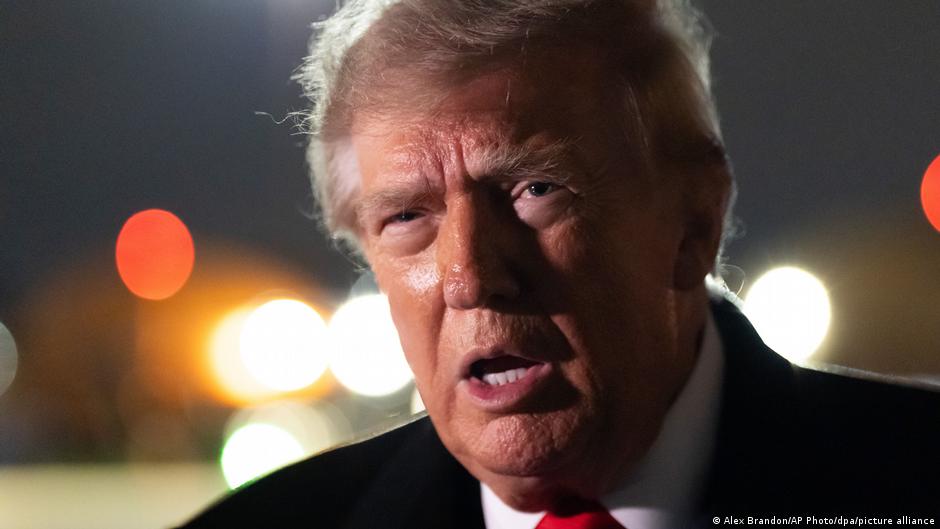
Sybiha suggested that the forum could also include participation from President Erdogan and former U.S. President Donald Trump, which would represent a unique multilateral diplomatic effort aiming to accelerate the peace process. He stressed the critical role Turkey could play in bridging the gulf between Russia and Ukraine, given Ankara’s strategic geographic and political position.
However, the prospect of direct negotiations remains complex. Kremlin spokesperson Dmitry Peskov reiterated that a meeting between Putin and Zelensky is only conceivable to finalize already agreed terms, reflecting Moscow’s cautious stance on resuming open negotiations. Similar comments were made in previous years, indicating a pattern of diplomatic hesitancy.
Economic and Structural Implications
The impasse in peace talks and regional conflicts have broader economic consequences. Prolonged instability in Eastern Europe hampers trade routes and energy supplies, while simultaneous tensions in the Middle East threaten to disrupt global markets. Turkey’s active mediation attempts can be understood as part of its strategic goal to stabilize regional economies and maintain its role as a critical energy and trade corridor between Europe and Asia.
Moreover, Ankara’s initiatives underscore a shift in traditional power balances, where middle powers like Turkey seek greater influence by leveraging their geopolitical positioning. The ability to facilitate dialogue between major powers not only enhances Turkey’s diplomatic capital but also promotes economic interests tied to peace and stability.
As global economic interdependencies grow, the structural consequences of prolonged conflicts become increasingly significant. Market uncertainties, supply chain interruptions, and energy price volatility all highlight the urgency of renewed diplomatic efforts to restore stability and foster sustainable economic growth in the region.
In conclusion, Turkey’s proactive role in promoting renewed Russia-Ukraine negotiations reflects a nuanced understanding of the interconnected geopolitical and economic landscapes. The outcome of these efforts could set precedents for conflict resolution mechanisms in an era marked by multifaceted global challenges.