NATO Intercepts Russian Bombers Over Baltic Sea in Rising Airspace Tensions
Strategic Russian bombers escorted by advanced fighters were intercepted by NATO aircraft during a Baltic Sea patrol on April 20, highlighting ongoing regional military posturing.
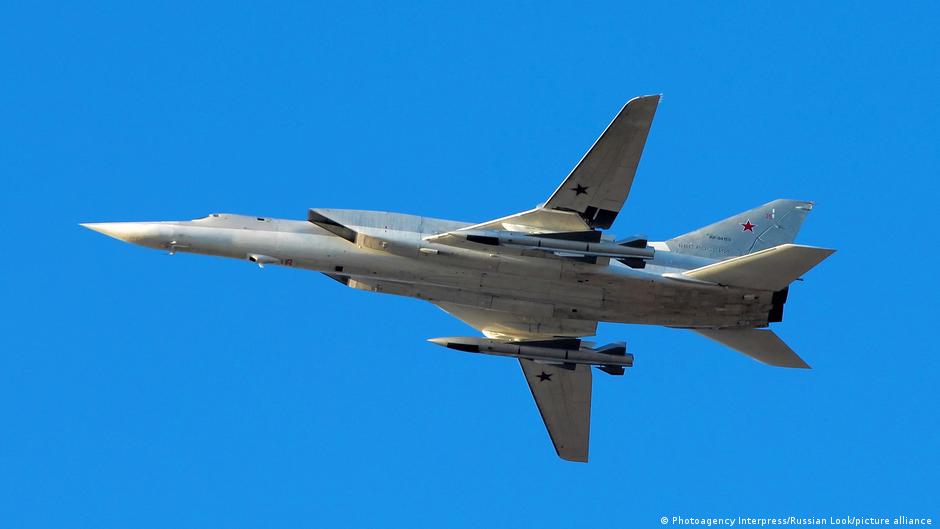
On April 20, NATO forces intercepted a formation of Russian strategic bombers and fighters flying over the Baltic Sea, an event illustrative of the increasingly assertive military maneuvers in the region. The Russian Defense Ministry characterized the flight as a routine operation over neutral waters, but NATO’s coordinated response underscores the heightened airspace vigilance among Baltic states and their allies.
Context of Baltic Airspace Security and Strategic Significance
The intercepted Russian formation included two Tu-22M3 supersonic missile-carrying bombers, escorted by approximately ten Su-30 and Su-35 fighters. These aircraft are among Russia’s most advanced strategic and tactical platforms, with the Tu-22M3 capable of long-range strikes and rapid penetration into contested airspace.
French Rafale fighters, alongside combat aircraft from Sweden, Finland, Poland, Denmark, and Romania, conducted the intercept operation. The multinational NATO response reflects the alliance’s integrated air defense posture in the Baltic Sea region, which has seen increased Russian aerial activity since the escalation of geopolitical tensions beginning in 2014.
The Russian Ministry of Defense noted that the Tu-22M3 bombers and accompanying Su-35 fighters were airborne for over four hours, conducting maneuvers in compliance with international flight regulations. However, NATO’s tracking indicated the presence of notable flight irregularities, including the transponders being switched off and failure to file standard flight plans or maintain communications with air traffic control.
“At various segments of the route, Russian long-range bombers were escorted by fighters from foreign states,” the Russian defense publication stated, emphasizing the complexity of the operational environment.
Historical and Structural Economic Implications of Baltic Military Activity
The Baltic Sea has long been a strategic theater for military competition between Russia and Western powers, dating back to Cold War-era deployments. The current frequency of aerial interceptions and close encounters signals a normalization of high-tension military posturing, which has broader implications beyond immediate security concerns.
Structurally, the heightened military presence necessitates increased defense spending by Baltic states and NATO members bordering the region. This includes investments in advanced fighter jets, radar systems, and rapid deployment forces—expenditures that weigh on national budgets and economic priorities.
Moreover, the contested nature of Baltic airspace impacts commercial aviation routes and maritime trade flows, given the Baltic Sea’s role as a vital corridor for energy transportation, including Russian gas exports to Europe. Any escalation in military incidents carries the risk of disrupting these economic arteries, exacerbating energy security vulnerabilities across the continent.
The interception event also reflects the ongoing strategic competition for influence in Northern and Eastern Europe, where economic and military dimensions intersect. For Russia, demonstrating long-range bomber capabilities near NATO airspace serves both a deterrent function and a political signal of military reach. For NATO and its allies, the ability to detect and respond to such flights is a critical component of alliance credibility and regional stability.
Conclusion: Toward a New Normal of Baltic Security Dynamics
The April 20 interception exemplifies the evolving security environment of the Baltic Sea, where military operations are increasingly frequent and complex. This dynamic imposes direct economic costs related to defense spending and indirect risks to trade and energy supply chains.
Understanding these developments requires a holistic view that considers historical precedents, current military capabilities, and the intertwined economic consequences. As both Russia and NATO continue their aerial operations in contested spaces, the Baltic region remains a microcosm of broader geopolitical and economic tensions shaping Europe’s security architecture.