Italy’s Meloni Condemns Russian Propaganda Amid Diplomatic Fallout Over Solovyov’s Insults
Italian Prime Minister Giorgia Meloni denounces Russian propaganda tactics following offensive remarks by Vladimir Solovyov, highlighting Italy’s sovereign foreign policy stance.
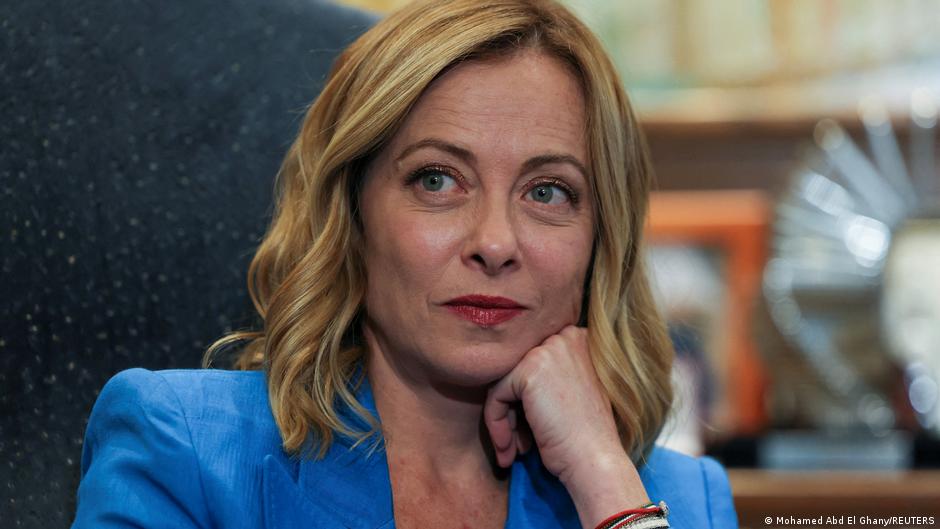
Italian Prime Minister Giorgia Meloni publicly addressed what she described as the "zealous propagandists of the regime" in a social media post on April 21, responding to widespread attention in Italian media to insults directed at her by Russian television host Vladimir Solovyov.
Her statement emphasized Italy’s independence in foreign policy decisions, asserting that despite external pressures, Italy remains guided solely by its national interests. Meloni wrote, "By their nature, zealous propagandists of the regime cannot give lessons on consistency or freedom. But these caricatures will certainly not make us change course. Unlike others, we depend on no one, have no masters, and take no orders. We have only one guide: the interests of Italy. And we will proudly follow it despite protests from propagandists worldwide." Notably, she refrained from specifying the precise trigger for her post.
Diplomatic Repercussions and Political Solidarity
Hours before Meloni’s post, Italy summoned the Russian ambassador Alexey Paramonov to the Ministry of Foreign Affairs. Italian Foreign Minister Antonio Tajani officially protested what were described as "extremely serious and offensive statements" made by Solovyov against the Italian Prime Minister.
Solovyov’s derogatory remarks, aired during a broadcast in both Italian and Russian, included calling Meloni a "fascist creature who has betrayed her voters" and "a disgrace to humanity." He further alleged that betrayal was "her second name," referencing her alleged disloyalty to former US President Donald Trump.
These statements generated considerable coverage in prominent Italian news outlets such as La Repubblica, Domani, Sky Italia, and the ANSA news agency, underscoring the gravity with which the Italian public and media regarded the incident.
"These caricatures will certainly not make us change course... we have only one guide: the interests of Italy." – Giorgia Meloni
The political establishment in Italy largely coalesced in support of the Prime Minister. President Sergio Mattarella condemned Solovyov’s language as "vulgar." Former Prime Minister Giuseppe Conte labeled the insults "unutterable." Additionally, Barbara Floridia, chair of the parliamentary commission overseeing the national broadcaster RAI, and Mariastella Gelmini of the Noi Moderati party called the comments unacceptable. Democratic Party leader Elly Schlein also voiced her backing of Meloni.
Economic and Geopolitical Context
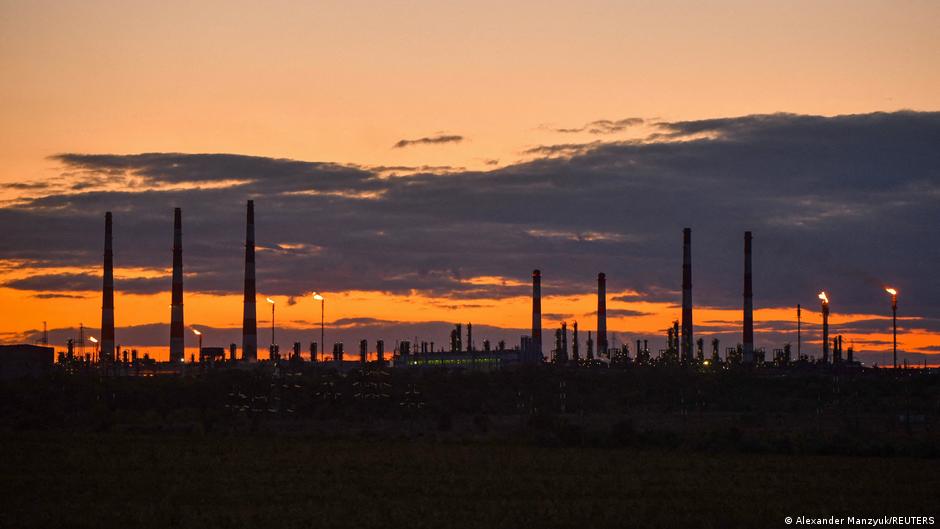
The episode must be examined within the broader context of Italy’s balancing act between economic interests and geopolitical alignments. Italy is a member of the European Union and NATO, committed to Western alliances, while maintaining historically significant trade relations with Russia, especially in energy supplies.
Meloni’s firm response underscores her government’s refusal to yield to external political pressure from Moscow, emphasizing Italy’s sovereignty in defining its foreign policy despite potential economic repercussions. The public diplomatic protest signals a notable stance by Italy amid heightened tensions between Russia and Western nations following Russia’s 2022 invasion of Ukraine.
Historically, instances where state propaganda targets foreign leaders can signal attempts to intimidate or destabilize diplomatic relations. Italy’s reaction—summoning the ambassador and uniting political voices across the spectrum—reflects a strategic decision to safeguard its political autonomy and send a clear message against interference.
Economically, this incident exemplifies the complexities facing countries like Italy that must navigate the delicate balance between maintaining energy security and adhering to the political and ethical imperatives shaped by alliance commitments.
As Europe continues to grapple with the ramifications of geopolitical conflict and information warfare, Italy’s stance under Meloni’s leadership signals a reaffirmation of national interest that may influence future economic decisions, including energy diversification and foreign investment strategies.