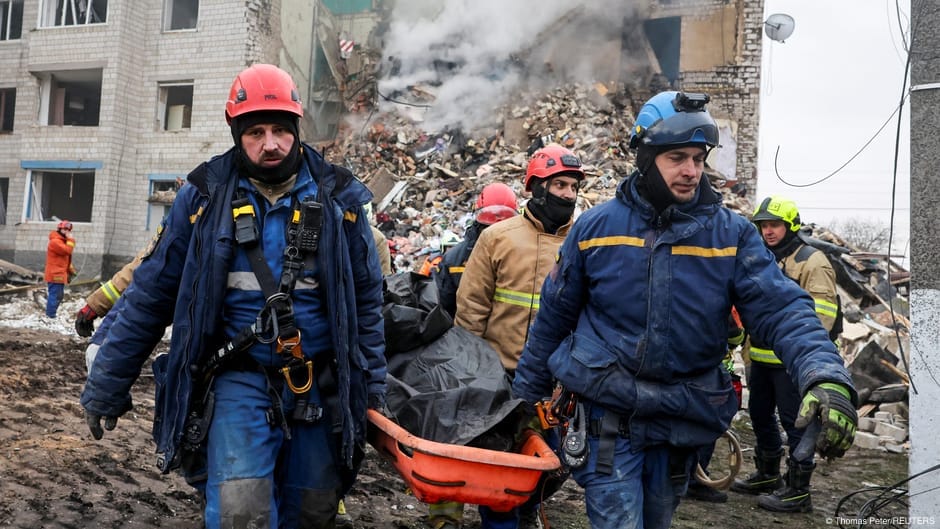
Drone Attacks Put Russia’s Oil Logistics Network Under Renewed Pressure
Reported strikes near oil facilities in Rostov and Tatarstan highlight the economic vulnerability of dispersed energy infrastructure.
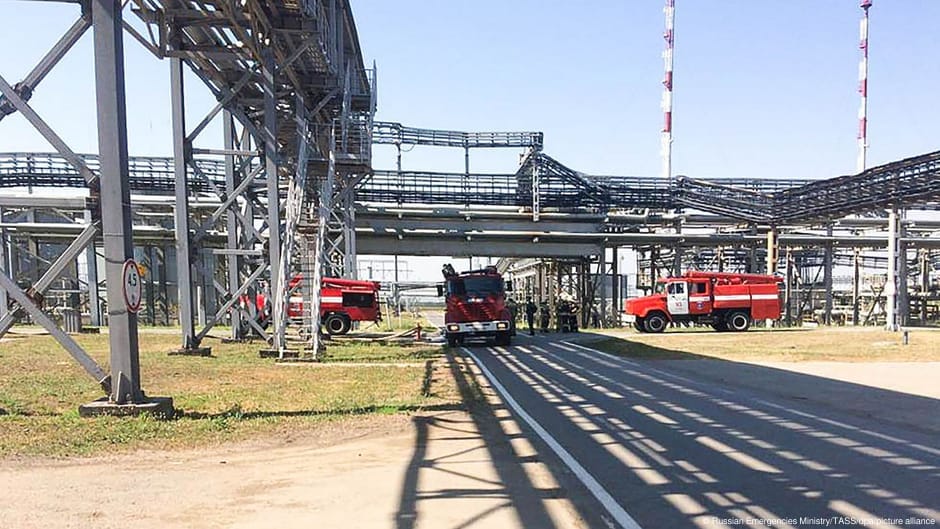
A major fire broke out near oil-related facilities in Novoshakhtinsk, in Russia’s Rostov region, after Ukrainian drones targeted the area for several hours overnight into Monday, November 23. An open-source intelligence analysis by the publication Astra placed the blaze near an oil-products refinery and a company involved in fuel sales, storage and logistics.
According to Astra, the facilities in question are the Novoshakhtinsk Oil Products Plant, an oil-refining enterprise connected to the Sukhodolnaya–Rodionovskaya pipeline, and TATA-GAZ LLC. The assessment was based on videos recorded by local residents and analyzed to determine the apparent location of the fire.
The incident matters economically because refining plants and adjacent logistics companies occupy different but closely connected positions in the fuel supply chain. Refineries convert crude oil into usable products, while storage and distribution businesses help move those products to wholesale and retail markets. Disruption concentrated in one industrial area can therefore affect several stages of supply, even when the physical damage is limited or operations resume relatively quickly.
Unconfirmed Report of a Strike in Tatarstan
A separate possible attack was reported in Almetyevsk, in the republic of Tatarstan, where a drone alert was declared at midnight on November 23. Astra cited a local resident who described a powerful impact and several hits on what the resident called “Druzhba.” The publication suggested that the account might refer to the Kaleykino oil pumping station in the village of the same name.
The Kaleykino facility is one of the nodes feeding oil into the Druzhba pipeline, according to the report.
There was no confirmation of the reported strike at the time of publication. Ukrainian monitoring channels on Telegram, including Exilenova+ and Supernova+, nevertheless circulated footage that they said showed a fire at the station. The location and circumstances depicted in those videos had not been independently confirmed in the source report.
The Kaleykino pumping station has previously been targeted by Ukrainian drones. A drone strike caused a fire at the facility in February 2026, and the station was most recently reported as a target during the night of November 19. The recurrence is economically significant: repeated attacks can impose costs even when no single incident causes a prolonged shutdown.
From Physical Damage to Persistent Costs
Oil infrastructure has historically derived much of its resilience from geographic scale, redundancy and the ability to redirect flows. Pipelines, pumping stations, refineries and storage sites form a network rather than a single production line. That structure can contain the effects of an isolated disruption, but it also creates a broad set of fixed assets that must be monitored, protected and repaired.
The emerging pattern of drone attacks changes the cost calculation. Relatively dispersed facilities far from the immediate front can face recurring alerts, temporary stoppages and heightened security requirements. Operators may need to strengthen physical protection, expand surveillance and keep additional repair capacity available. These expenses do not necessarily appear as lost output, but they raise the cost of maintaining normal operations.
The distinction between a refinery and a pumping station is also important. Damage to refining capacity can reduce the production of marketable fuels, potentially tightening regional supplies or forcing products to travel farther from other plants. A disruption at a pumping station can constrain the movement of crude through a wider pipeline system, although the ultimate effect depends on the duration of the interruption and the availability of alternative routes.
Historical disruptions to energy networks—from wartime attacks to accidents and embargo-era bottlenecks—have shown that economic consequences are shaped not only by the amount of infrastructure damaged but also by where a disruption occurs in the network. A strategically positioned node can matter more than a larger but less connected facility. At the same time, without confirmed damage assessments or operating data, it is not possible to quantify the effects of the reported incidents in Novoshakhtinsk and Tatarstan.
A Broader Structural Risk
For Russia’s oil economy, repeated strikes pose a structural challenge beyond immediate repair bills. The sector depends on reliable connections among production regions, refineries, domestic fuel markets and export routes. Persistent threats can reduce scheduling flexibility, complicate inventory management and increase the amount of capital tied up in security and contingency planning.
The reported events also illustrate how the economic geography of the conflict has expanded. Rostov is an important southern transit and industrial region, while Tatarstan lies deeper within Russia and has a substantial oil-sector presence. Incidents across widely separated regions require operators and authorities to spread protective resources over a larger area.
For now, the direct operational consequences remain unclear. The Novoshakhtinsk fire was located through analysis of resident footage, while the reported Kaleykino strike remained unconfirmed at publication. Yet the frequency of attacks on oil-related assets increasingly makes cumulative disruption—not merely the damage from any single night—the central economic risk.