Drone Strikes Target Russian Cities Belgorod and Rostov-on-Don Amid Ongoing Ukraine Conflict
Recent drone attacks have caused fires and infrastructure damage in Russian border regions, highlighting enduring vulnerabilities in military and civilian facilities.
On the night of July 25, drone strikes targeted multiple locations in Russia’s Belgorod and Rostov-on-Don regions, marking a continuation of cross-border hostilities within the ongoing conflict between Russia and Ukraine. The attacks resulted in fires and damages to both civilian infrastructure and military installations, underlining the persistent security challenges facing Russian border areas.
Details of the Attacks and Immediate Impact
Acting Governor of Belgorod Oblast, Alexander Shuvaev, reported that drone strikes caused fires and damage on several city streets, though specific details on the extent of destruction and casualties remain limited. Emergency services were actively engaged in extinguishing the fires. Concurrently, social media users and local officials in Rostov-on-Don confirmed similar drone incursions, with reports of fires in at least one location, though official statements have not elaborated on the scale of damage.
Ukrainian monitoring sources have indicated that in Belgorod, key logistics warehouses and critical elements of the energy infrastructure—namely the "Yuzhnaya" substation and the "Luch" combined heat and power plant—were targeted. These attacks on energy facilities are particularly significant, as they have direct implications for civilian power supply and economic activity in the region.
"Drone attacks on strategic infrastructure in border regions reveal the evolving nature of asymmetric warfare, where civilian and military assets become intertwined targets," remarked an analyst familiar with regional security dynamics.
Military Installations Under Threat
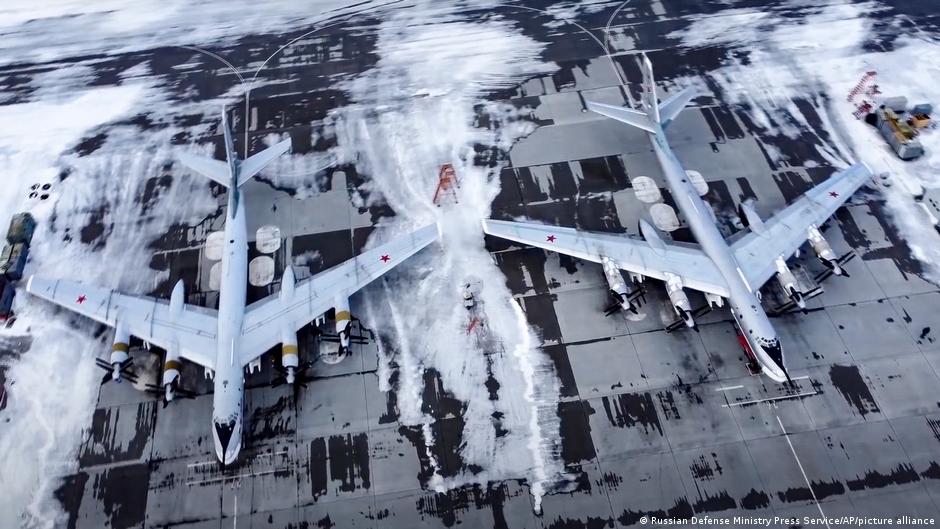
In addition to urban centers, a major fire broke out at a military site in Engels, Saratov Oblast. Preliminary information suggests the blaze occurred at the headquarters of the 22nd Guards Heavy Bomber Aviation Division, located near the military airfield. While local residents initially denied that the fire resulted from a drone strike, the recent declaration of a "drone threat" alert in the area shortly before the incident points to heightened operational risks.
The Engels airfield has been repeatedly targeted since the onset of the full-scale invasion in Ukraine. Notably, an attack on July 16 caused confirmed damage to a Russian strategic Tu-95MS bomber, which Russia employs for long-range strikes in Ukraine. The recurrence of drone strikes at this site underscores its strategic importance and vulnerability.
Strategic and Economic Implications
These drone attacks carry multiple layers of significance beyond immediate physical damage. From a strategic perspective, they expose persistent gaps in Russian air defense capabilities within its western border regions. The ability of Ukrainian forces or affiliated groups to strike deep into Russian territory disrupts military logistics and can potentially degrade operational readiness.
Economically, targeting energy infrastructure and logistics hubs impacts civilian life and regional economies, highlighting the interconnectedness of warfare and economic resilience. Interruptions to power supply and supply chains can exacerbate local hardships, potentially influencing public sentiment and complicating governance responses.
Historically, protracted conflicts often see escalation in asymmetric tactics such as drone warfare, reflecting shifts in technology and battlefield dynamics. The use of drones allows Ukraine to exert pressure beyond conventional frontlines, leveraging relatively low-cost assets against critical enemy infrastructure.
Outlook
The drone attacks on Belgorod, Rostov-on-Don, and Engels showcase an evolving conflict landscape marked by cross-border strikes that challenge traditional territorial security notions. As Russia continues its military operations in Ukraine, ensuring the security of strategic assets near conflict zones will remain a complex and costly endeavor.
For policymakers and analysts, these developments emphasize the need to integrate technological, military, and economic considerations into security frameworks. They also highlight the rising importance of counter-drone measures and resilience planning in modern conflicts.