EU and Ukraine Endorse New US Sanctions Against Russia Amid Ongoing Conflict
The US Senate passes an extensive sanctions package targeting Russia's economy, drawing strong support from the EU and Ukraine as a strategic move to pressure Moscow.
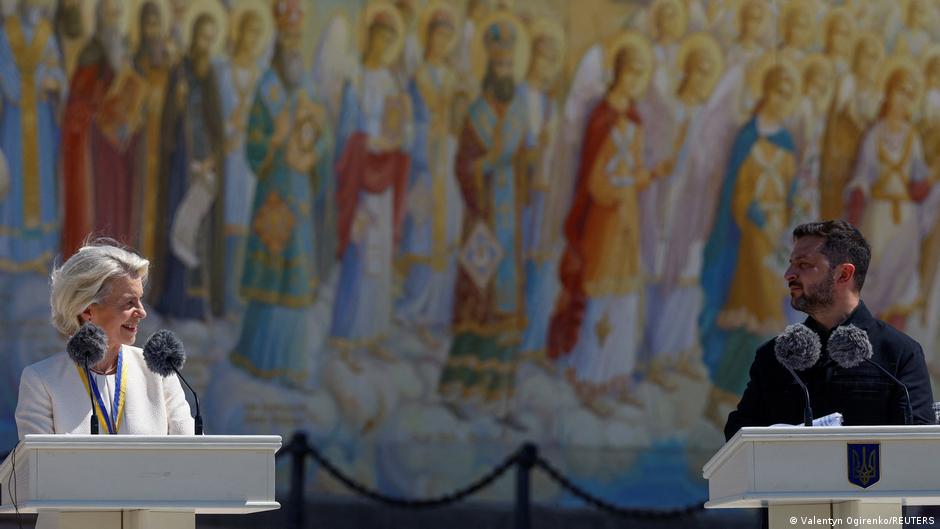
In a significant diplomatic development, the European Union and Ukraine have expressed strong approval following the US Senate's adoption of a comprehensive sanctions bill targeting Russia, named after the late Senator Lindsey Graham. This legislative move aims to intensify economic pressure on Moscow amidst its protracted war against Ukraine.
Scope and Significance of the Sanctions
The sanctions package, approved by the Senate with an overwhelming majority of 86 votes in favor and 11 against, targets a broad spectrum of Russian economic pillars. These include senior Russian officials, oligarchs, financial institutions, and notably, the so-called "shadow fleet" that Russia employs to circumvent export restrictions on its oil shipments.
Importantly, the bill authorizes punitive duties of up to 100% on imports from countries that remain large purchasers of Russian oil and natural gas, a strategic leverage point given Russia's dependence on hydrocarbon revenues. However, the legislation provides carve-outs for nations deriving less than 15% of their natural gas consumption from Russia and actively working to reduce this dependency, reflecting a calibrated approach acknowledging the complex global energy landscape.
"Let us together deprive Russia of the resources to continue a war it cannot win," stated Ursula von der Leyen, President of the European Commission, emphasizing the necessity for unified Western action.
EU and Ukrainian Reactions: A Call for Unified Pressure
European Commission President Ursula von der Leyen hailed the Senate's decision as a pivotal development, highlighting the historic partnership between the United States and Europe in applying synchronized sanctions. She underscored that these measures are designed to cut off Russia's financial capabilities sustaining the conflict.
Similarly, Ukrainian President Volodymyr Zelensky expressed gratitude for the Senate's move, framing it as an essential escalation in the economic campaign to end Russia's aggression. Zelensky also highlighted Ukraine's urgent need for advanced air defense systems such as the Patriot missiles, whose delivery has faced delays, underscoring the ongoing challenges Kyiv faces on the battlefield alongside diplomatic efforts.
Historical and Economic Context
This sanctions package marks the 21st round of restrictions imposed by the EU and its allies since the inception of the war in 2022, reflecting an increasingly sophisticated and multi-layered economic response. The legislation’s naming after Senator Lindsey Graham, who championed sanctions throughout his tenure until his death in July, symbolizes the sustained political will within the US to leverage economic tools against Moscow.
From an economic perspective, the heightened sanctions represent a deliberate strategy to constrict Russia’s access to global markets and finance, aiming to weaken its war economy structurally. The inclusion of tariffs on third-party countries that continue extensive trade with Russia highlights a shift towards pressuring not only Russia but also external actors enabling its economy.
However, the sanctions face challenges stemming from the interconnectedness of global energy markets and the varied dependence of European and other nations on Russian hydrocarbons. The exemptions laid out in the bill acknowledge the geopolitical complexities and the need for a gradual transition away from Russian energy reliance to maintain alliance cohesion.
Next Steps and Global Implications
Following Senate approval, the bill will proceed to the House of Representatives, with a vote anticipated after the summer recess. If enacted, these measures could further tighten the economic noose around Russia, potentially influencing Moscow’s calculus regarding the continuation of the conflict. However, the effectiveness of sanctions often hinges on enforcement and the unity of international actors in maintaining pressure without fracturing global alliances.
This latest development illustrates the evolving nature of economic statecraft in modern conflicts, where sanctions serve not only as punitive measures but also as strategic instruments designed to reshape geopolitical dynamics and encourage conflict resolution through economic strain.