EU Cuts Duty-Free Steel Import Quota by Nearly Half to Protect Domestic Industry
The European Union tightens steel import rules, reducing duty-free quotas by 47% and imposing a 50% tariff on excess imports.
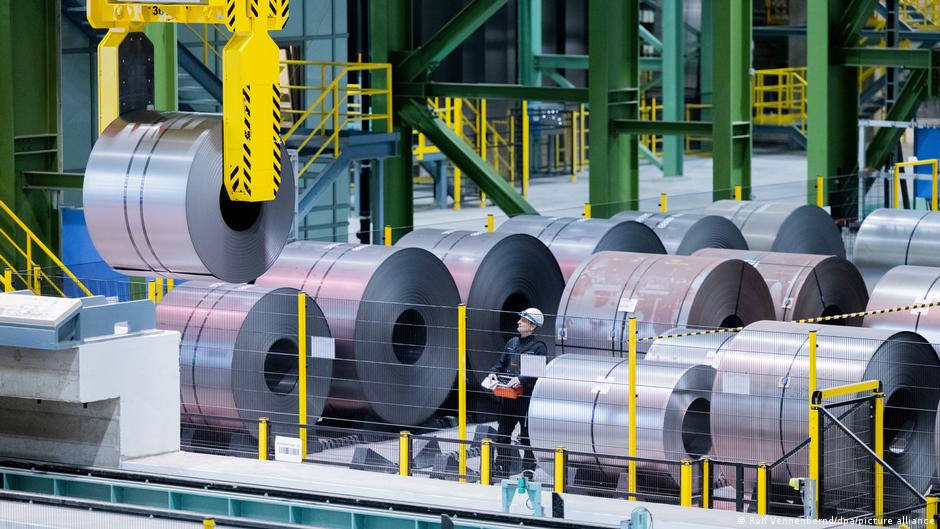
On July 1, the European Union implemented stringent new measures to restrict steel imports in an effort to safeguard its domestic steel industry. The annual quota for duty-free steel imports has been slashed by approximately 47%, now capped at 18.3 million tonnes. Imports exceeding this quota face a steep 50% tariff, doubling the previous duty rate.
Context and Implications of the New Steel Import Policy
This policy shift represents a strategic move by the EU to counteract an influx of cheap steel, particularly from countries accused of unfair trade practices. Germany, with the largest steel manufacturing capacity within the EU, stands to benefit from reduced competition stemming from imports.
The EU's new regime establishes country-specific duty-free quotas, allowing unused quotas to be carried over to subsequent quarters. This flexible quota management aims to balance market needs and protect industry viability.
According to data from the World Steel Association, China produced approximately 961 million tonnes of steel in 2025, accounting for more than half of global production. In contrast, Germany's steel output was around 34 million tonnes, highlighting the scale disparity between global and European production.
The EU has explicitly cited China's state-backed support of its steel sector as a source of market distortions, contributing to global steel oversupply. This has exerted downward pressure on prices, challenging the competitiveness of European steelmakers.
“By significantly reducing the duty-free import quota and raising tariffs on excess steel imports, the EU aims to curtail the flood of cheap steel and sustain its domestic industry,” said an industry analyst.
Historically, protective trade measures in the steel sector reflect broader economic tensions related to globalization, industrial policy, and supply chain dependencies. The EU's approach signals a trend toward greater trade regulation in strategic industrial sectors amid concerns about economic sovereignty.
Structurally, these measures may lead to increased steel prices within the EU, potentially affecting downstream industries reliant on steel inputs. However, they also seek to preserve employment and technological capabilities in European steel production.
Looking forward, the EU's steel import policy will likely influence global trade dynamics, possibly prompting retaliatory measures or negotiations aimed at addressing subsidies and market imbalances.