France Tightens Visa Issuance Rules for Russian Citizens Amid EU-Wide Restrictions
Following Italy, Spain, and Hungary, France imposes stricter personal submission requirements for Russian Schengen visa applicants.
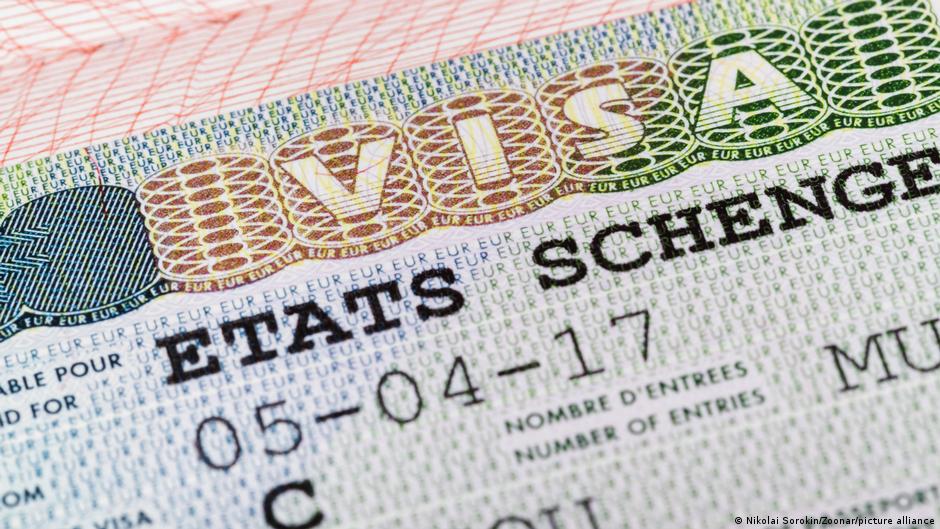
France has joined a growing list of European Union countries implementing stricter visa issuance rules for Russian citizens, signaling a broader trend of tightening travel regulations amidst geopolitical tensions and increasing visa demand pressures.
New Personal Submission and Biometric Requirements
Starting July 15, the French visa center in Moscow will no longer accept Schengen visa applications submitted through notarized powers of attorney. This change mandates that visa applicants must either apply in person or through close relatives. Eligible representatives include spouses, children, and parents, but in all cases, applicants must present original documents proving the family relationship.
Moreover, applicants are required to complete biometric data collection within 59 months preceding their visa request. This biometric procedure is compulsory for all applicants over 12 years old, and only the applicant themselves may sign the application form.
"The new regulations aim to tighten control over visa submissions, ensuring closer identity verification and reducing fraudulent applications," explained policy analysts monitoring the changes.
This policy aligns with recent moves by Italy, Spain, and Hungary, who have also tightened visa procedures in response to increased demand and security considerations. Italy has seen visa processing times in Moscow extend up to 60 days, while Spain’s processing has lengthened to 45 days. Hungary has suspended visa appointment acceptances in Russian cities including Samara, Ufa, and Kazan.
Economic and Political Context of Visa Tightening
The tightening of visa issuance policies occurs against the backdrop of strained Russia–EU relations, sanctions, and the resulting shifts in migration and travel patterns. These procedural barriers can have significant economic consequences, affecting tourism flows, business travel, and cultural exchanges.
Historically, visa policies have often been employed as instruments of geopolitical strategy, reflecting broader diplomatic stances. The current restrictions may dampen the recovery of cross-border economic activities, particularly in sectors relying on Russian tourists and business visitors. Moreover, longer processing times and stricter submission rules could disproportionately affect small businesses and individual travelers who lack access to personal networks or resources to navigate more complex procedures.
As the EU continues to balance security concerns with economic interests, the evolving visa frameworks for Russian nationals underscore the challenges of managing cross-border mobility in a transformed geopolitical landscape.
Observers note that while the immediate impact centers on travel logistics, the broader implications touch on economic interdependencies and the future of EU-Russia engagement.