EU Delays Appointment of Negotiator with Russia Amid Strategic Uncertainty on Ukraine War
The European Union has decided not to appoint a special envoy for talks with Russia until a clear negotiation strategy is established.
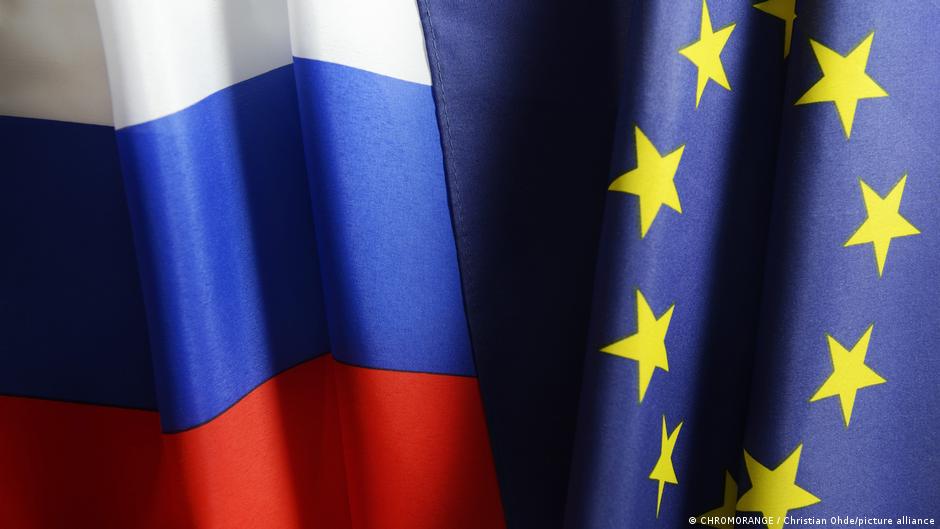
The European Union has opted not to designate a special negotiator to engage directly with Russia to end the war in Ukraine, citing the need to first develop a clear and unified strategy regarding the aims and scope of potential talks. This cautious approach reflects the complex and evolving geopolitical and economic landscape surrounding the conflict.
Strategic Considerations and Sanction Pressures
High-ranking EU officials have indicated that appointing a representative at this stage is premature. Both the EU's High Representative for Foreign Affairs and Security Policy, Josep Borrell, and influential member states, including Germany, agree that the Union must first clarify its objectives before entering negotiations. A senior EU official commented, "We need to first agree on what exactly we want to discuss with Russia." This statement underscores the EU’s desire to avoid piecemeal or uncoordinated dialogue that could undermine its broader policy goals.
"We, Europeans, decide ourselves who speaks for us. Nobody else." – Chancellor Friedrich Merz of Germany
The EU continues to rely heavily on the strategy of increased sanction pressure to bring Russian President Vladimir Putin to the negotiating table. On May 28, the European Commission and the European External Action Service (EEAS) introduced the draft of the 21st package of sanctions targeting Russia. These measures focus on restricting access to financial markets and curtailing supplies critical to Russia’s defense industry. The persistent emphasis on economic leverage illustrates the EU’s belief that sustained pressure is necessary to influence Russia’s wartime calculus.
Political and Historical Context of Negotiation Representation
Internally, the question of who might act as the EU’s special envoy has generated noteworthy debate. Prominent names floated include former European Central Bank President Mario Draghi, ex-Chancellor of Germany Angela Merkel, and Finnish President Alexander Stubb. These figures bring significant diplomatic experience and credibility, but appointing any of them prematurely could signal specific negotiation intents or concessions.
Meanwhile, President Putin has expressed a preference for Gerhard Schröder, former Chancellor of Germany, as the EU’s interlocutor. Schröder’s close ties to Russia and his personal relationship with Putin, however, have led to swift dismissal by both current German authorities and EU representatives. Chancellor Friedrich Merz explicitly rejected Schröder’s candidacy, emphasizing European autonomy in choosing their representatives.
This dynamic reflects broader historical tensions about external influence and sovereignty in European diplomacy. The EU’s insistence on internal decision-making regarding negotiation representation underscores its strategic objective to maintain unity and leverage, avoiding potential fractures or divergent signals that Russia might exploit.
Economic Implications and Structural Consequences
The EU’s delay in appointing a negotiator also signals the economic complexities underpinning the conflict. The ongoing sanction packages aim not only to weaken Russia’s immediate military capacity but also to induce longer-term structural shifts in European and global trade networks. Financial restrictions and supply chain disruptions affect sectors ranging from energy to defense manufacturing, with reverberating consequences for both Russia and European economies.
Moreover, the EU’s approach reflects lessons from previous conflicts where premature or poorly framed negotiations failed to yield durable peace. By prioritizing a coherent negotiation framework and leveraging economic pressure smartly, the EU hopes to avoid past pitfalls and establish a more effective diplomatic path forward.
Overall, the EU’s current stance illustrates the intersection of strategic patience, economic statecraft, and political unity as it navigates one of the most significant geopolitical crises in recent decades.