Darline Graham Norton Appointed to Senate Seat of Late Lindsey Graham Amid GOP Majority Concerns
Republicans swiftly fill Lindsey Graham's Senate seat with his sister to safeguard fragile Senate majority until 2027.
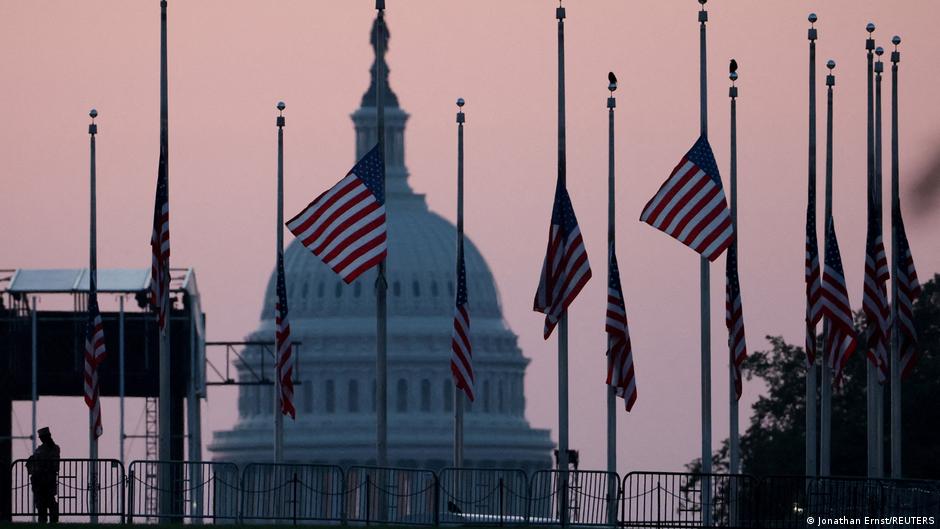
Darline Graham Norton, sister of the late Senator Lindsey Graham, has been appointed to fill his vacant seat in the U.S. Senate, with a term extending at least until January 3, 2027. This move, orchestrated rapidly by South Carolina's governor Henry McMaster, a staunch ally of former President Donald Trump, highlights the Republican Party’s urgent effort to preserve its slim majority in the upper chamber of Congress.
Political Context and Strategic Implications
Governor McMaster’s appointment came just 48 hours after Lindsey Graham’s sudden death from an aortic dissection on July 11, 2023. The decision to select Norton, made amid calls from Donald Trump himself, underscores the party’s sensitivity to maintaining control during a period of political volatility. Trump praised the appointment as a fitting tribute to his longtime ally, stating that Lindsey Graham “loved her very much” and endorsing her continuation of his legacy.
“It is a great honor for me to ask his younger sister, Darline Graham, to carry on his work to completion,” Governor McMaster declared.
The Republican Party had considered several candidates for the appointment, including South Carolina’s lieutenant governor Pam Evette, former representative Trey Gowdy, and ex-Senator Jim DeMint. Ultimately, the familial connection and Norton’s alignment with Graham’s political stances likely influenced McMaster’s swift decision.
Historical and Structural Economic Considerations
Lindsey Graham’s tenure in the Senate was marked by his reputation as a hawkish defender of U.S. national security interests. His political trajectory—from his 1994 election to the House of Representatives through his long-standing Senate service beginning in 2002—illustrates a consistent focus on defense and foreign policy, particularly within the context of post-9/11 counterterrorism efforts.
His recent activities included a visit to Kyiv on July 10, 2023, where he engaged with Ukrainian President Volodymyr Zelensky and toured a drone manufacturing facility. Graham was instrumental in advancing sanctions against Russia and its allies, positioning himself as a firm critic of Moscow and an advocate for U.S. support of Ukraine in the ongoing conflict. This role has critical implications for economic relations and global trade dynamics, especially in light of sanctions that affect energy markets and defense exports.
Darline Graham Norton’s assumption of the Senate seat raises questions regarding continuity and policy direction, especially in terms of defense budgets and economic sanctions strategy. The Republican Party’s need to secure its majority is not merely a matter of legislative control but intersects with broader economic priorities, including military spending, international trade sanctions, and their ripple effects on both domestic industries and global markets.
The historical precedent of appointing family members to vacant seats often serves the dual purpose of honoring political legacies while ensuring short-term party stability. Yet it also brings structural economic consequences by potentially maintaining established policy trajectories without significant shifts that new, independent appointees might introduce.
Future Electoral Stakes
Norton will serve as Senator until January 3, 2027, but the seat is up for election in November, when voters will decide on representation for the subsequent six-year term. This upcoming election will test whether the Graham political legacy and the Republican Party’s current hold can withstand changing political tides amid ongoing economic challenges domestically and internationally.
Donald Trump commemorated Lindsey Graham as “one of the greatest people and senators I’ve ever known,” emphasizing Graham’s patriotism and dedication. The transition to Norton is framed as a continuation of that legacy, yet it also marks a critical juncture for the Senate, with potentially significant consequences for U.S. policy direction and economic strategy.