Germany Sees Sharp Rise in Military Service Refusals Amid Security Concerns and Conscription Reform
The number of conscientious objectors in Germany has surged in 2025 due to heightened security tensions and new conscription laws.
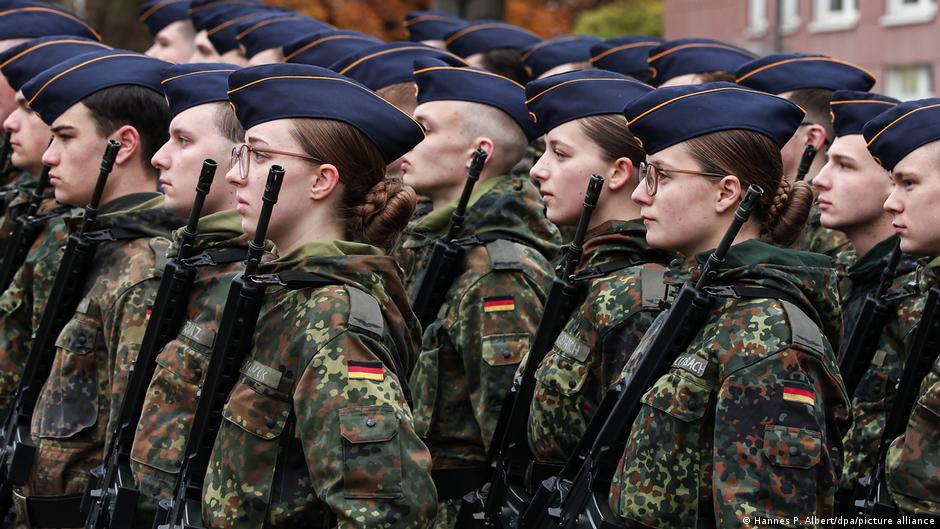
Germany is witnessing a significant increase in the number of individuals refusing military service, reflecting growing societal unease amid evolving security dynamics and legislative reforms. According to recent data, 5,862 applications to refuse military service were submitted in the first half of 2025, a sharp rise compared to 3,867 for the entire previous year and 2,998 in 2024.
Context and Historical Parallels
This resurgence in refusals contrasts sharply with trends following the suspension of compulsory military service in 2011, when 4,348 refusals were recorded. Although the draft was officially halted, conscription remains enshrined in Germany's Basic Law. The current surge is linked to both geopolitical tensions and a legislative overhaul aimed at restructuring the Bundeswehr's recruitment and size.
Starting January 1, 2025, a new reform law requires all 18-year-old males to undergo mandatory medical examinations to assess fitness for military service, irrespective of their voluntary enlistment decisions. This policy marks a significant shift toward reinforcing military readiness in response to growing security challenges in Europe.
"The intention behind the reform and the medical screening is to ensure the Bundeswehr can identify and mobilize sufficient capable personnel, anticipating a future where voluntary enlistments may fall short," a government representative said.
Furthermore, the government has revived the notion of "compulsory military duty by necessity," a mechanism allowing parliament to mandate service if volunteer numbers fail to meet targets. This contingency underlines a strategic pivot toward expanding military capacity amid increasing geopolitical uncertainties.
Structural Economic and Social Implications
Germany plans to increase the active-duty military force from 186,000 to 260,000 by 2035, a substantial growth with wide-ranging economic and social consequences. Scaling up personnel numbers will necessitate increased defense spending, potentially reshaping budget priorities and driving demand for military-related industries.
At the societal level, the rising number of refusals highlights tensions between individual conscience rights and state security imperatives. The Basic Law continues to protect conscientious objection, allowing refusal of service on ethical grounds, which remains a significant factor in the growing refusal rates.
Notably, refusal applications originate not only from those yet to serve but also from reservists and active military personnel. Interestingly, there is also a counter-trend: some individuals retract previously filed refusal applications. Reports indicate that in 2024, 781 reversals occurred, with 233 in the first quarter of 2025, suggesting complex and dynamic attitudes toward military service in contemporary Germany.
These developments underscore a broader dilemma faced by Germany as it navigates its role within European and global security frameworks. The balancing act between expanding military capacity and respecting individual rights encapsulates the structural challenges that will shape the Bundeswehr and German society in the coming decades.