EU Launches First Negotiation Cluster on Ukraine and Moldova's Accession Process
The European Union begins formal accession talks with Ukraine and Moldova, marking a shift from preparation to substantive negotiation on membership conditions.
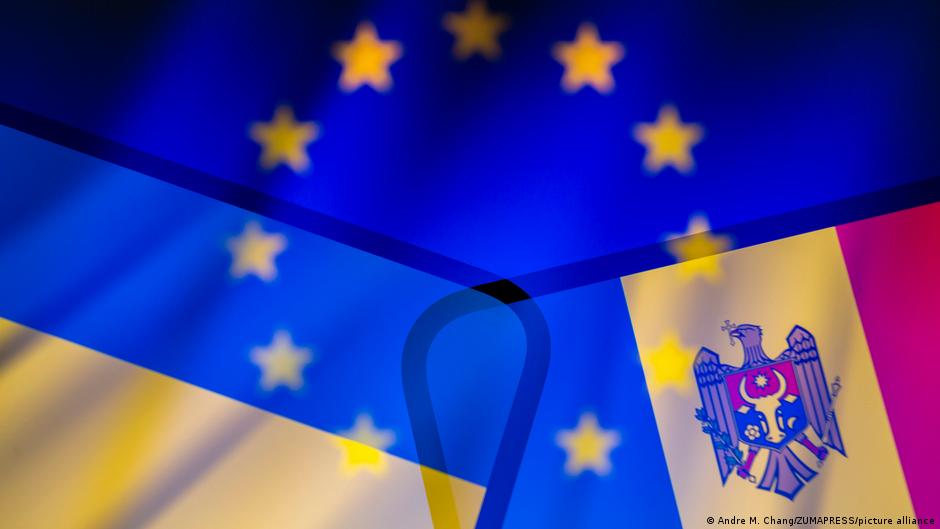
On June 15, the European Union officially initiated the first negotiation cluster concerning the potential accession of Ukraine and Moldova. The event, held in Luxembourg and presided over by the Cypriot Foreign Minister, signals a significant transition from preliminary preparations to detailed discussions on the terms of future membership.
Structural Implications and Economic Context of the Negotiations
The accession negotiations are structured into six thematic clusters, each addressing distinct legislative and policy areas crucial for integration into the EU framework. This multi-cluster approach allows for a comprehensive assessment of how well candidate countries’ laws and institutions align with EU standards.
By advancing to the first cluster, Ukraine and Moldova enter a phase focused on evaluating their national legislation in relation to EU norms and embarking on targeted reforms. This step is pivotal not only politically but economically, as harmonization with EU regulations typically necessitates significant adjustments in regulatory environments, market practices, and governance structures.
"The future of Ukraine and its citizens is firmly linked with the European Union," stated Marilena Raouna, Cyprus’s Deputy Minister for European Affairs, emphasizing the geopolitical and economic stakes involved.
Historically, the EU's enlargement process has entailed deep structural transformations in candidate countries. For Ukraine and Moldova, this means confronting challenges such as modernizing trade regimes, enhancing judicial independence, and reinforcing institutional transparency—areas critical for sustainable economic development and investor confidence.
The accession framework also has broader regional economic implications. Integration into the EU market promises expanded trade opportunities, increased investment inflows, and access to structural funds. However, the accession process demands rigorous reforms that can impose short-term economic costs, including compliance expenditures and the restructuring of affected industries.
For both Ukraine and Moldova, the timing of these negotiations intersects with ongoing geopolitical tensions and internal economic challenges. Successfully navigating the accession clusters will require not only political will but also strategic economic management to balance reform costs with growth objectives.
In sum, the launch of the first negotiation cluster marks a critical juncture in Ukraine and Moldova’s EU integration journey. It underscores a commitment to systematic reform and alignment with European standards, setting the stage for profound economic and institutional transformation.