Belarus Orders Underperforming Agricultural Workers to Military Service Amid Harvest Pressures
President Lukashenko directs undisciplined farm workers to undergo military training to enforce labor discipline and address harvest challenges.
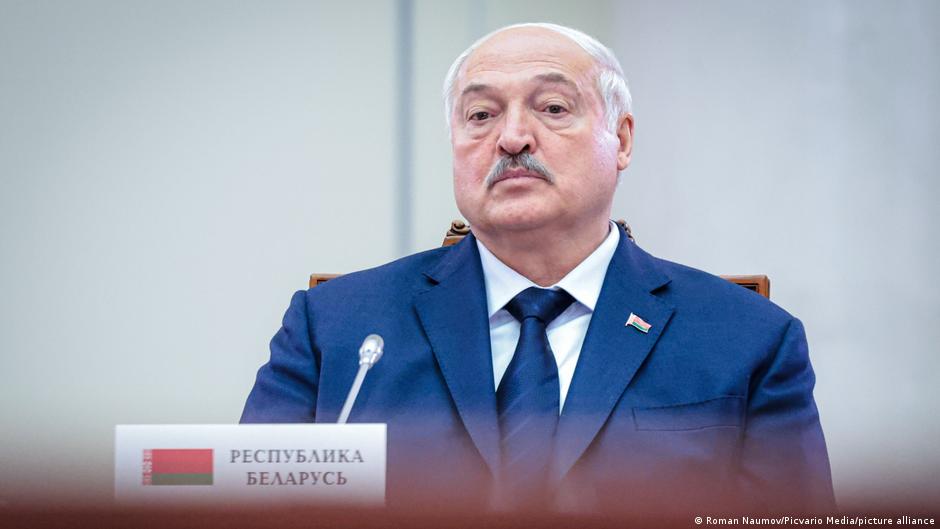
Belarusian President Alexander Lukashenko has instituted a controversial policy directing agricultural workers who fail to meet productivity standards during the harvest season to be assigned to military service. This move, announced in late July, is positioned by the government as an effort to instill discipline and foster greater work ethic amid increasing pressures on the nation's agricultural sector.
Militarizing Labor Discipline in Agriculture
On July 21, Lukashenko declared that agricultural workers unable to maintain adequate performance would be sent "to the army and to the southern border," emphasizing a strict mobilization approach to managing the crucial harvest period. The directive entails redirecting "undisciplined, negligent, intoxicated, and lazy" employees to military training for periods of two to three months, as clarified by Lukashenko's chief of staff, Dmitry Krutoy, the following day.
"If you don't want to work on this job, we will test you on another — normal male and female work — in the army," Lukashenko stated during a working visit to the Brest region, underscoring that the measure is not intended as punitive but as an opportunity for workers to "prove themselves in other, more demanding tasks."
This policy aims to enforce what Belarus’ leadership terms "labor and technological discipline" at every level of production, a recurring theme in Lukashenko's governance amidst economic challenges. The military service for these workers is described as "Spartan," designed to improve physical condition and correct behavioral issues through constructive labor benefiting the armed forces.
Context and Economic Implications
The decision emerges amid structural pressures on Belarus' agricultural sector, which remains a significant component of the national economy and a key political symbol for the government. The government's approach reflects a Soviet-style labor discipline ethos, where non-compliance is met with compulsory service or re-education, blurring the lines between civilian labor and military obligations.
This militarization of labor raises questions about workforce management amid economic stagnation and the state's capacity to maintain agricultural productivity under challenging conditions, including international sanctions and supply chain disruptions. Enforcing rigid discipline through military conscription could alleviate immediate labor shortages or underperformance but risks long-term consequences such as labor discontent, decreased worker motivation, and potential disruptions in agricultural output.
Historically, post-Soviet states have oscillated between market reforms and state-directed labor regimes. Belarus appears to lean towards reinforcing centralized control, prioritizing order and productivity over individual labor rights and incentives. This approach could impact labor market dynamics, potentially discouraging skilled workers if military service is perceived as a punitive measure rather than a developmental opportunity.
Strategic and Social Dimensions
Linking agricultural labor discipline to military preparedness also signals Belarus' broader security posture. The mention of deployment near the southern border and the presence of special operations forces reflect ongoing geopolitical tensions in the region. This overlap of agricultural labor policy with defense strategy may serve dual purposes: ensuring harvest completion and reinforcing territorial security.
However, combining civilian labor enforcement with military conscription risks militarizing everyday economic activity, potentially exacerbating social tensions in rural areas. The policy's effectiveness will depend on implementation details, the state's capacity to manage the associated logistical demands, and worker compliance.
In summary, Belarus' directive to send underperforming agricultural workers to military service represents a distinctive strategy to uphold labor discipline amid economic pressures. While rooted in a legacy of centralized control and mobilization, it poses complex economic and social questions about labor rights, productivity, and the role of military institutions in civilian sectors.