European Leaders Applaud US-Iran Deal as a Step Toward Regional Stability Amid Economic Stakes
France, Germany, Britain, and Italy endorse the US-Iran agreement while stressing strict non-proliferation and swift implementation to stabilize regional security and global markets.
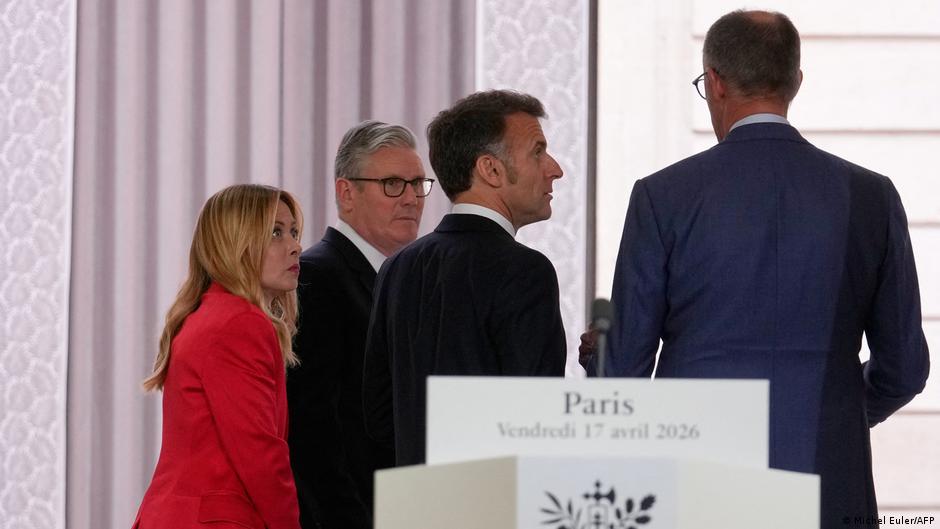
Leaders of France, Germany, the United Kingdom, and Italy have welcomed the forthcoming signing of a peace agreement between the United States and Iran, scheduled for June 19. They view this diplomatic breakthrough as a pivotal step toward ending hostilities and restoring regional stability in the Middle East.
In a joint statement released on June 15, the heads of state and government expressed optimism that the agreement could open avenues for renewed economic and geopolitical equilibrium. They emphasized the importance of a prompt and comprehensive implementation of the accord to ensure lasting peace.
Strategic Implications for Regional Security and Global Economy
The statement explicitly highlighted the need for immediate restoration of navigation through the Strait of Hormuz, a critical maritime chokepoint responsible for a significant share of global oil shipments. Disruptions in this corridor have historically precipitated spikes in energy prices and exacerbated geopolitical tensions.
"We are prepared to support efforts, including participation in demining operations, to restore safe passage through this vital fuel transit route," the leaders affirmed.
The significance of reestablishing uninhibited maritime trade in the Hormuz Strait cannot be overstated, given its direct impact on global energy markets and economic stability. This element of the agreement signals a concerted effort by Western powers to mitigate the economic ripple effects of prolonged conflict.
Balancing Diplomatic Progress with Non-Proliferation Concerns
French President Emmanuel Macron and British Prime Minister Keir Starmer issued individual statements underscoring both support for the deal and caution regarding Iran's nuclear and ballistic missile ambitions.
Prime Minister Starmer underscored that freedom of navigation must be restored "without any tolls or fees," framing this as essential to alleviating the economic consequences borne worldwide amid the US and Israel's conflict with Iran.
Meanwhile, Macron articulated concerns about Iran’s nuclear and missile programs, reflecting a widespread European apprehension that the agreement must not pave the way for nuclear weapons acquisition.
Starmer was unequivocal: "Iran must never be allowed to possess nuclear weapons." This stance was echoed in the joint communiqué, which stressed robust verification and transparency mechanisms under the International Atomic Energy Agency (IAEA).
"Iran must not under any circumstances obtain nuclear weapons," the leaders asserted. "We stand ready to collaborate with the US, Iran, and the IAEA to achieve this goal. Corresponding sanctions relief will be contingent upon clear, verifiable steps taken by Iran concerning its nuclear program." This conditional approach underscores the delicate balance between encouraging diplomatic progress and maintaining strict non-proliferation safeguards.
Economic and Historical Context
The US-Iran conflict has long disrupted Middle Eastern stability and global energy supply chains, contributing to volatile oil prices and uncertainty in international markets. The renewed peace agreement stands to ease these pressures by reestablishing trade flows and reducing the risk of escalated military confrontations.
Historically, agreements aiming to curtail nuclear proliferation, such as the 2015 Joint Comprehensive Plan of Action (JCPOA), have faced challenges in implementation and verification, often impacted by geopolitical shifts. The current accord seeks to learn from these lessons by emphasizing expediency and comprehensive enforcement.
Economically, the restoration of stability in the Strait of Hormuz is likely to have a stabilizing effect on global energy prices, which have been subject to sharp fluctuations due to conflict-related supply concerns. This development could provide relief to energy-importing nations and contribute to broader economic resilience.
Ultimately, the coordinated European stance reflects a strategic effort to integrate diplomatic, security, and economic dimensions, aiming for a sustainable resolution that prevents nuclear proliferation while fostering regional peace and safeguarding global markets.