Former Ukrainian Defense Minister Advocates for Elections Amid Ongoing Conflict
Mikhail Fedorov calls for legally sound and secure electoral processes despite war challenges
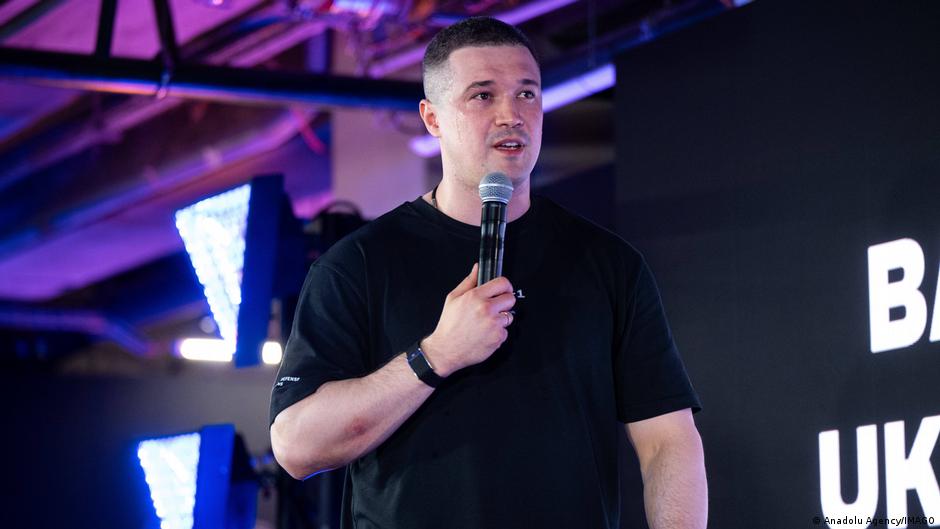
Amid the ongoing conflict in Ukraine, former Defense Minister Mikhail Fedorov has urged the government to pursue national elections, emphasizing the necessity of finding a legal, secure, and feasible mechanism to do so. His statement highlights the tension between maintaining democratic processes and ensuring national security during wartime.
Democracy Under Siege: The Challenge of Elections in Wartime
Fedorov's call comes against the backdrop of a prolonged conflict with Russia, which has cast uncertainty over Ukraine's democratic institutions. He argues that continuing the war should not grant Russia the de facto authority to dictate when Ukrainians can exercise their right to choose their leaders. “If the war lasts another year, two years, or three, can Russia effectively obtain the right to determine when Ukrainians will again select their government? I am convinced it cannot. Democracy must not be held hostage by Russia,” he stated in a video message.
Conducting elections during active conflict presents considerable logistical and ethical challenges. Fedorov acknowledges the complexities involved in ensuring voting rights for military personnel, Ukrainians living abroad, and residents in frontline regions. Additionally, the integrity of democratic institutions and public trust in electoral outcomes are critical concerns.
“Complexity does not mean impossibility. Ukraine has repeatedly achieved what the world once deemed impossible,” Fedorov emphasized.
His stance reflects a broader historical pattern wherein nations at war struggle to balance democratic governance with security imperatives. The Ukrainian experience resonates with other countries that have sought to uphold electoral legitimacy amid internal or external conflict, though the specific conditions in Ukraine—such as the degree of territorial contestation and mass displacement—add unique layers of difficulty.
Political Fallout and Institutional Trust
Fedorov stepped down from his post as Defense Minister on July 15, citing disagreements with the Commander-in-Chief of the Armed Forces, Alexander Syrsky. This resignation triggered protests in several Ukrainian cities, where demonstrators criticized President Volodymyr Zelensky's decision to accept Fedorov’s departure. Many protesters viewed Fedorov as one of the most effective defense ministers in recent years, associating him with significant reforms and modernization efforts within the Ukrainian military.
Beyond the immediate military leadership disputes, Fedorov has voiced concern about a dangerous trend in Ukrainian politics: the prioritization of personal loyalty over professionalism and results when appointing officials. This phenomenon risks undermining institutional effectiveness and public confidence at a time when robust governance structures are essential.
His remarks suggest an implicit warning about the potential erosion of meritocratic principles in state institutions, which could have long-term structural economic consequences. A politicized bureaucracy may hamper reform efforts and complicate resource allocation, especially critical during wartime economic pressures.
Economic and Structural Implications
Ukraine’s call for elections amid war is not merely a political question but also an economic and institutional one. Free and fair elections can reinforce legitimacy, stabilize governance, and foster international support, which are vital for economic resilience and recovery. Conversely, delays or disruptions in democratic processes risk undermining investor confidence, complicating fiscal stabilization, and weakening institutional reforms.
Ukraine’s efforts to maintain its democratic trajectory under duress parallel historical episodes where countries faced with external aggression strove to preserve political continuity. How Ukraine navigates this delicate balance will have lasting effects on its institutional integrity and economic prospects.
Fedorov’s insistence on overcoming the challenges to hold elections signals a determination to assert sovereignty, protect democratic norms, and prevent external forces from dictating the country’s political future, despite the formidable obstacles posed by ongoing conflict.